The Over painting as a Quantum Transmutation with a Pentimento effect
「重ねあわせ」 – 2026
2000年代に始まった「塗り重ね」の方法は<Painting on Painting >のシリーズを経て、自身の過去作や習作に上塗りをしてひとつの絵とする方法に発展し、さまざまな展開を見せる。
テーマの「見ること」は、その見る対象を80、90、2000年代の「風景(世界)」から2010年代の「歴史(死者)」へと変遷し、最終的に現在の「重ねの生成プロセス(現在進行形のたたかい)」に行きついたと言える。
「目」は風景(世界)を見るための装置であった。そのうちに「目」は自分自身へと向かい、記憶、過去の痛み、断絶をどのように現在につなげていくかを模索しはじめる。2020年代*の作品はそうした客観の時代と主観の時代を経た統合の時代にあり、かつての装置—目と記憶の層を衝突させ、過去を上描きしつづける。そこでは、時間は回収されるのではなく、増幅する。
*2020年代:約4~5年の絵画の中断があり、それはCovid-19のパンデミックの期間にほぼ重なる。ただしドローイングプリント作品としての『C通信』ができたのもこの期間である。
Superposition – 2026
The method of layering and overpainting that began in the 2000s developed through the Painting on Painting series, ultimately evolving into a diverse methodology where Nagasawa overpaints his own past works and studies to constitute a single, unified painting. The core theme of “seeing” has shifted its object of inquiry over time: from the “Landscape (the World)” of the ’80s, ’90s, and 2000s, to the “History (the Dead)” of the 2010s, and finally arriving at the current “generative process of layering (a struggle in the present progressive).” The “eye” was once a device for observing the landscape (the world). In time, the “eye” turned inward upon itself, beginning a quest to discern how to connect memory, past pain, and historical rupture into the present moment. Passing through these eras of objectivity and subjectivity, the works of the 2020s* occupy an era of integration. They continuously overwrite the past, causing the former device—the eye—to collide with the layers of memory. Here, time is not recovered; it is amplified.
*The 2020s: Marked by a hiatus in painting lasting approximately four to five years, which roughly coincides with the period of the COVID-19 pandemic. However, it was also during this interval that the drawing-print series “C-Correspondence” (C-Tsushin) was realized.

「双子」 <TWINS>
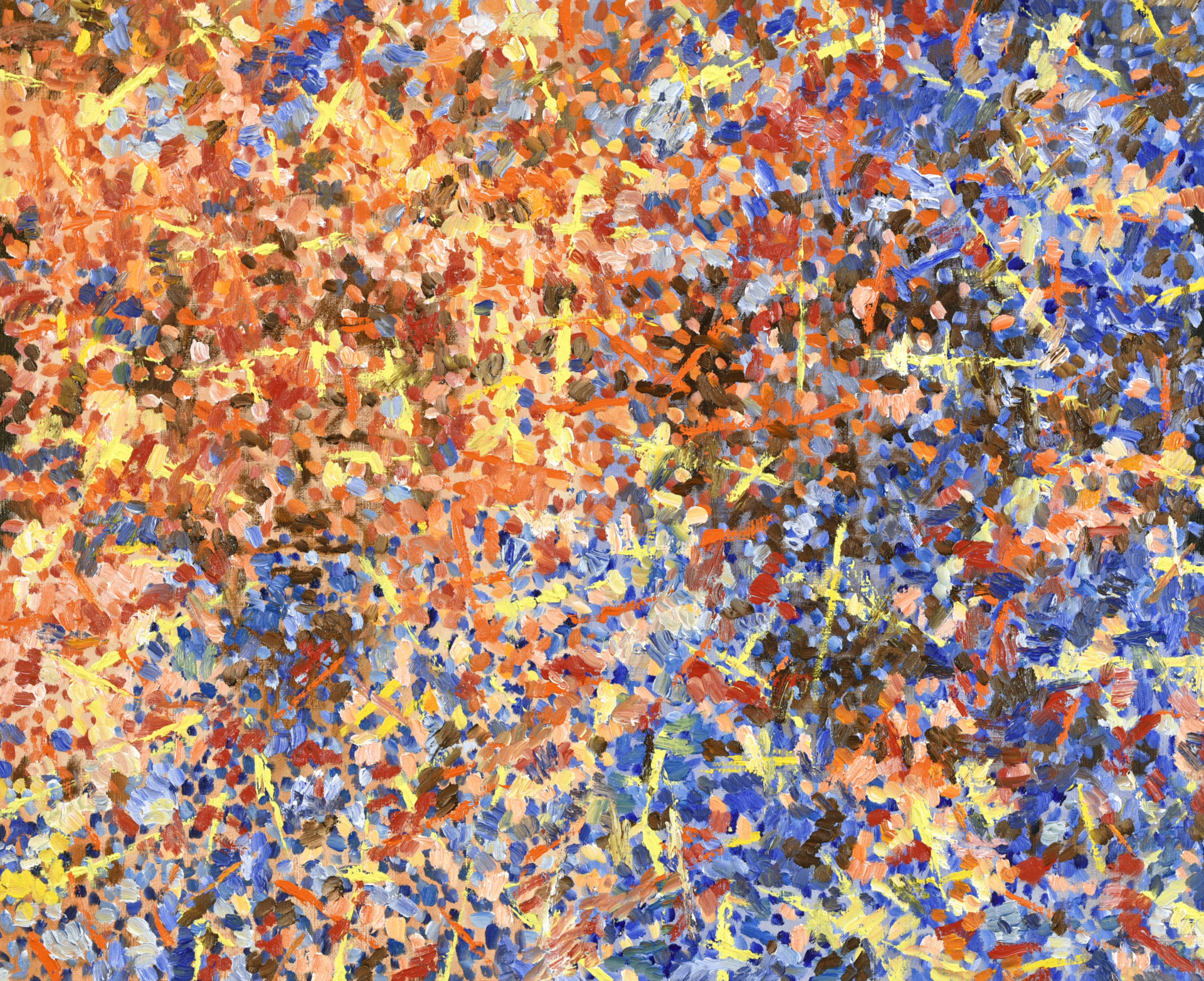
「記憶—四人が笑っていた」<Memory – Four people laughing>
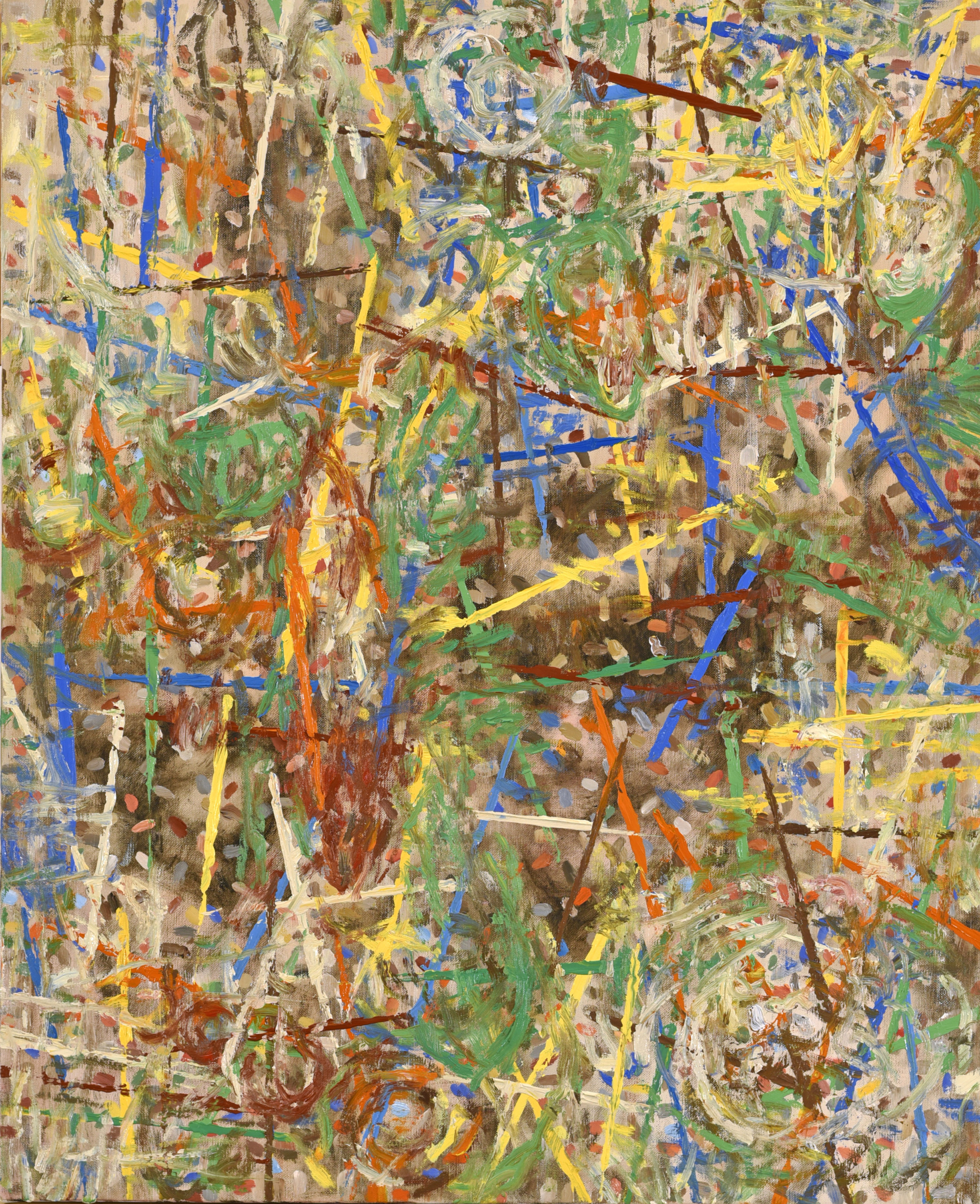
「婆數仙に扮したTさん」<Mr.T dressed in BASUUSEN>
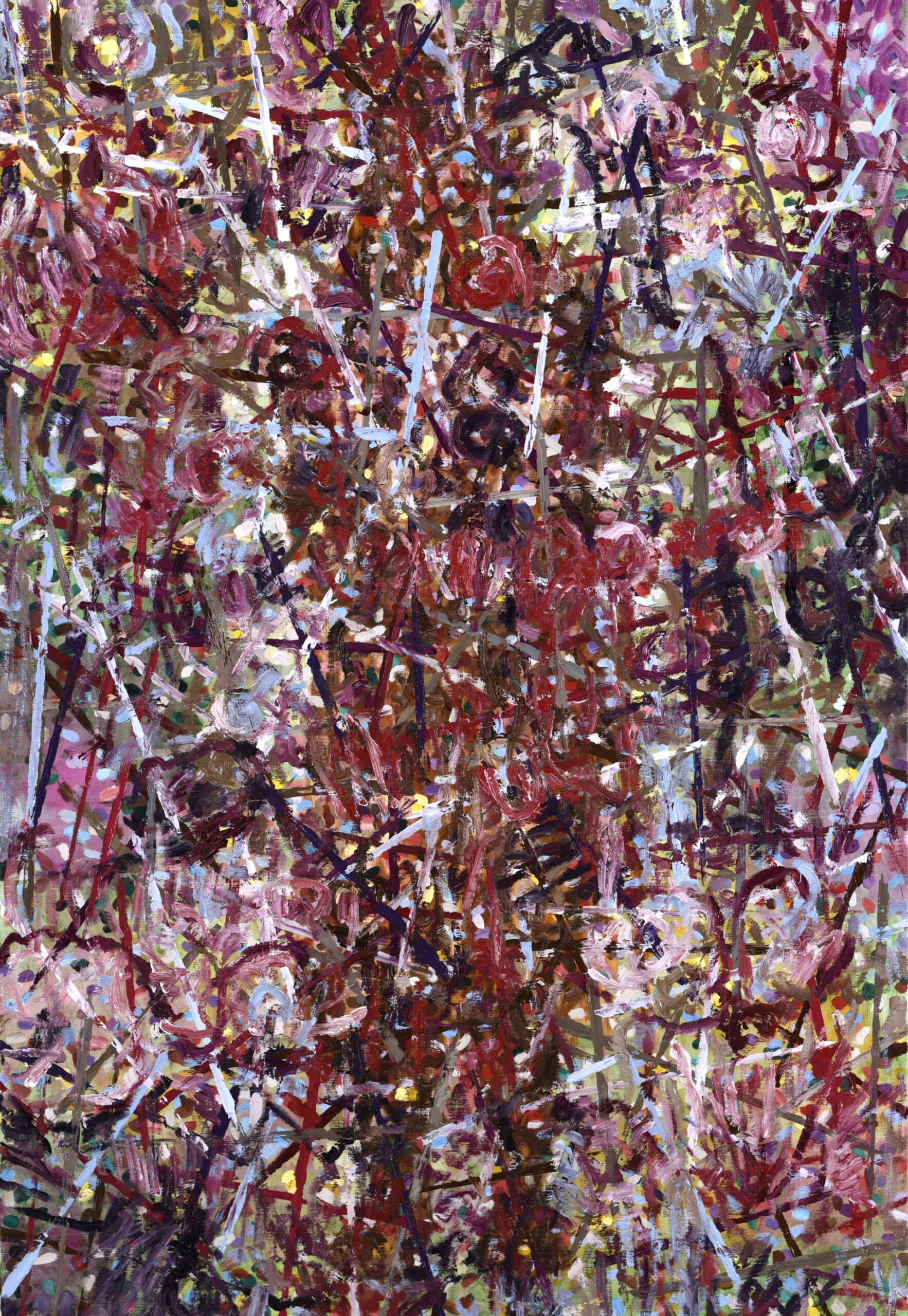
「婆數仙に扮したTさん」<Mr.T dressed in BASUUSEN>
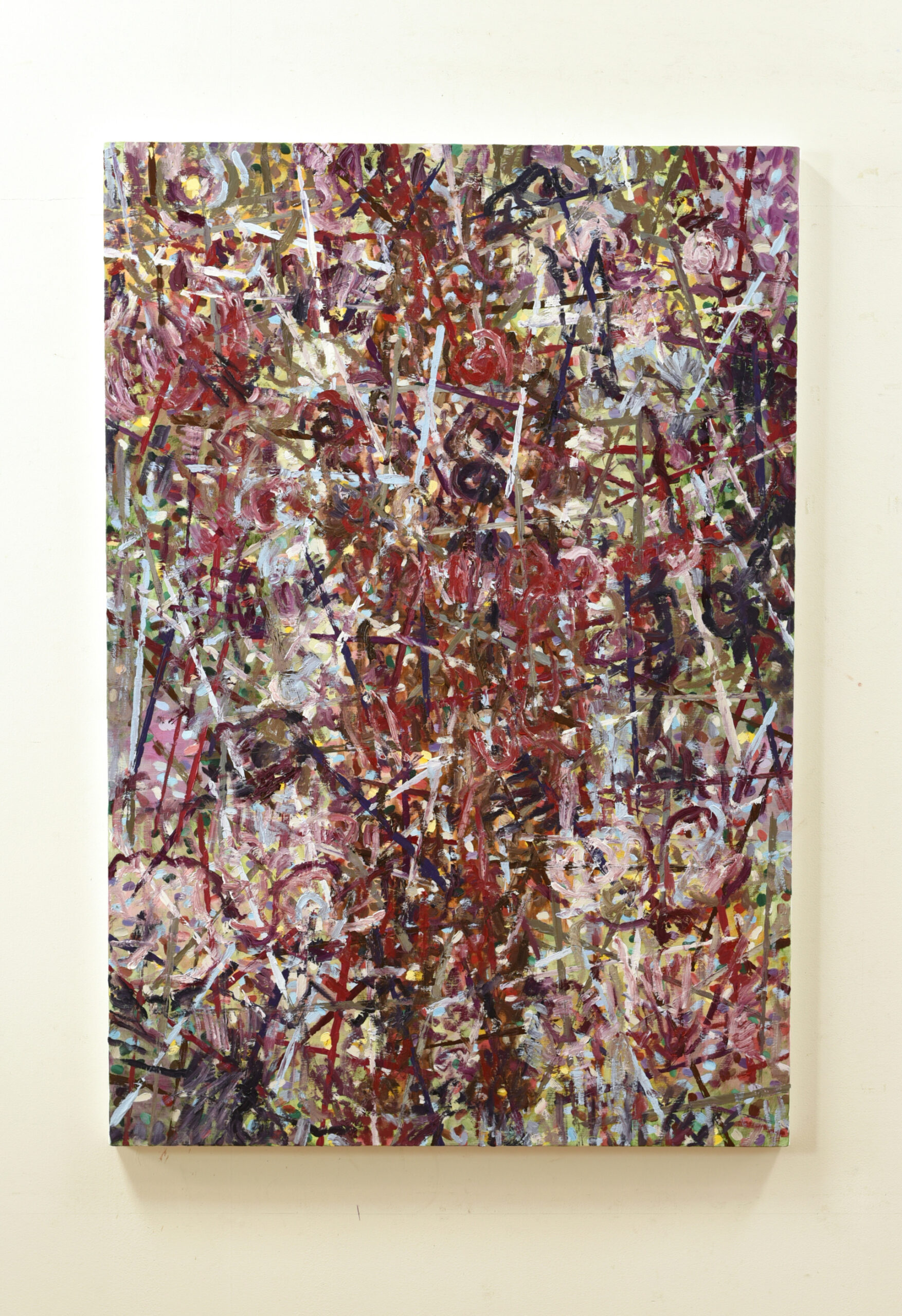
「婆數仙に扮したTさん」<Mr.T dressed in BASUUSEN>
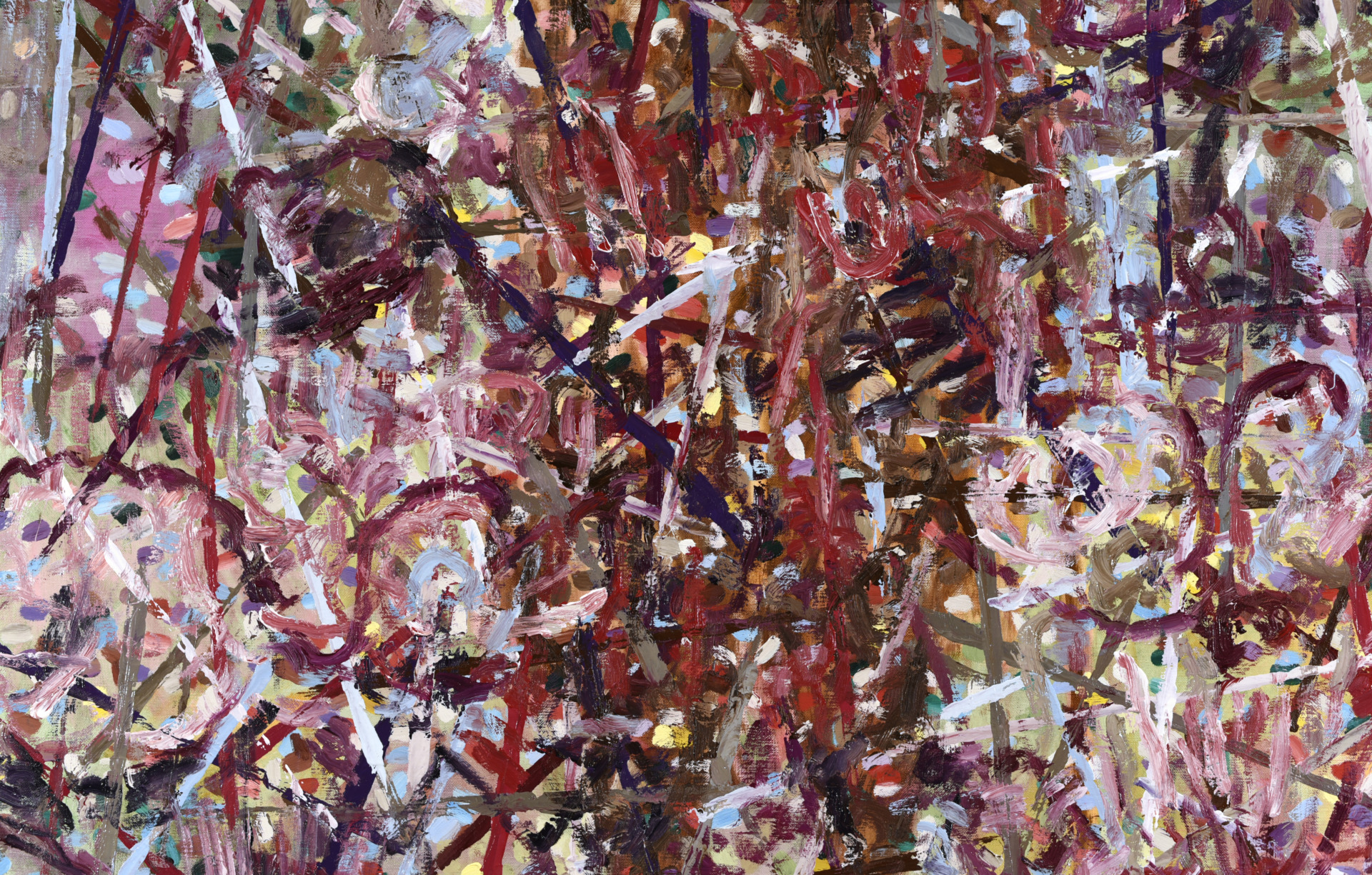
「みどりいろの脳をもった老人」<Old man with green brain>
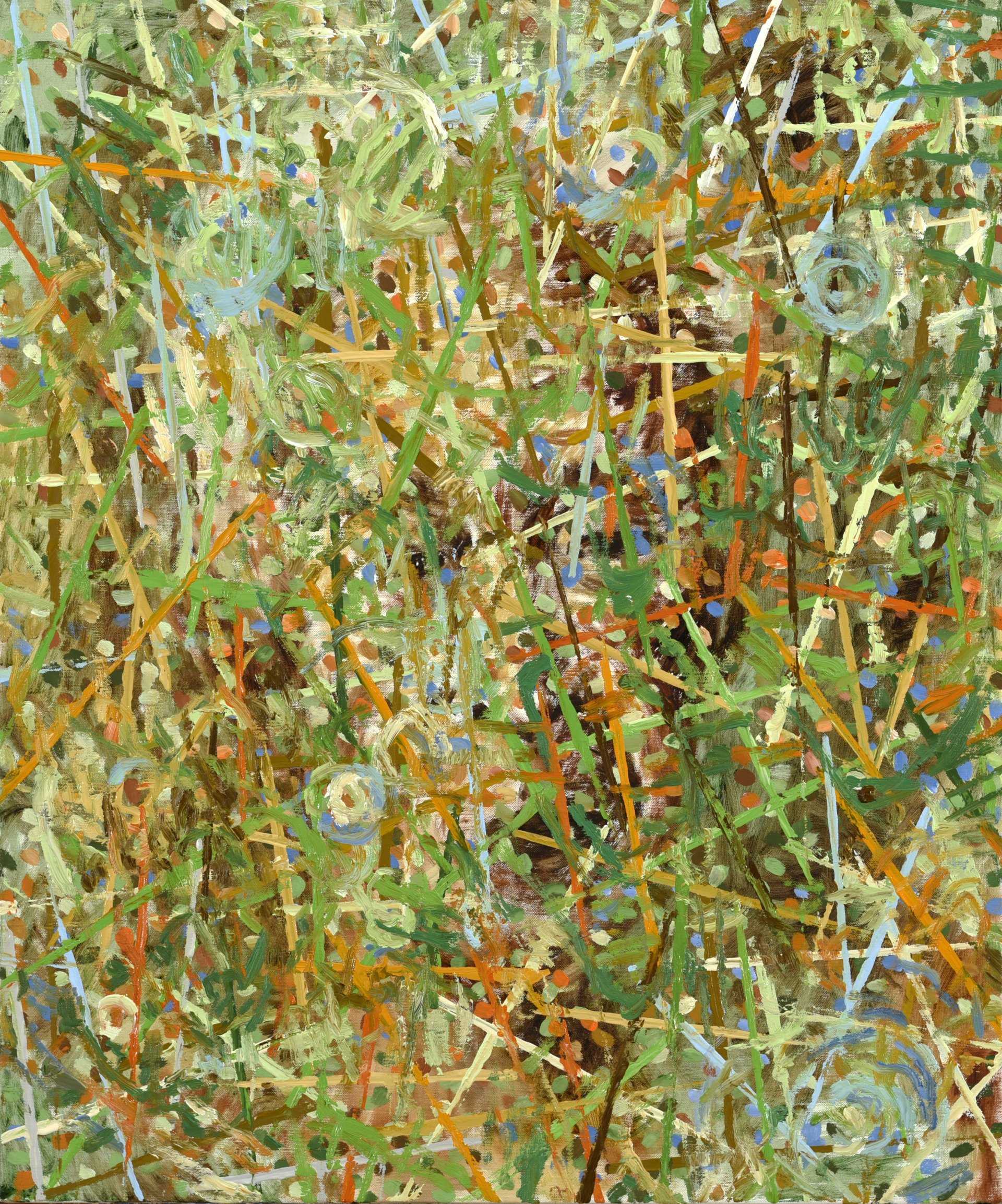
「脳のバラ座星雲」<The Rosetta Nebula in the brain>
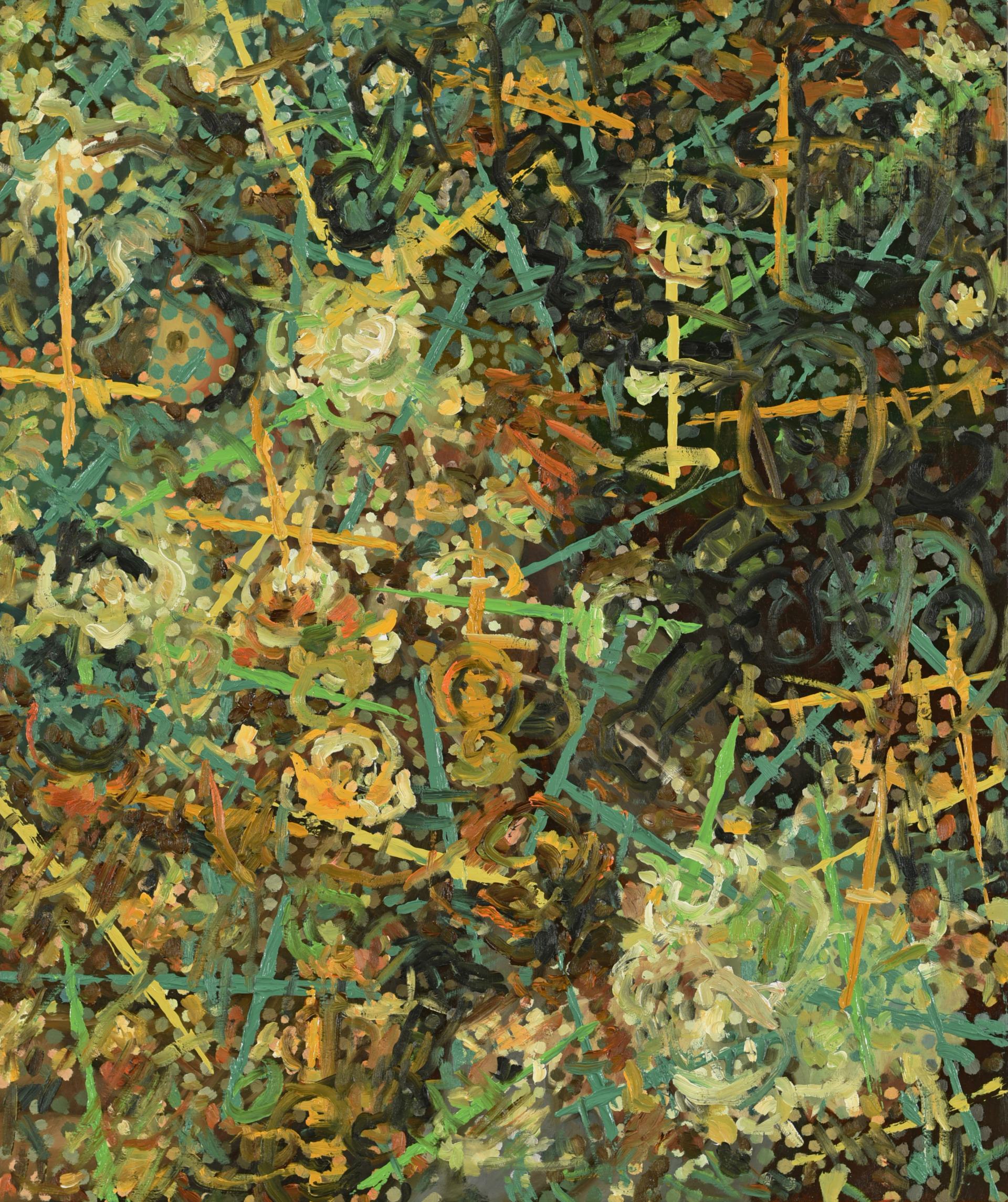
「飛行眼」<Flying eyes>
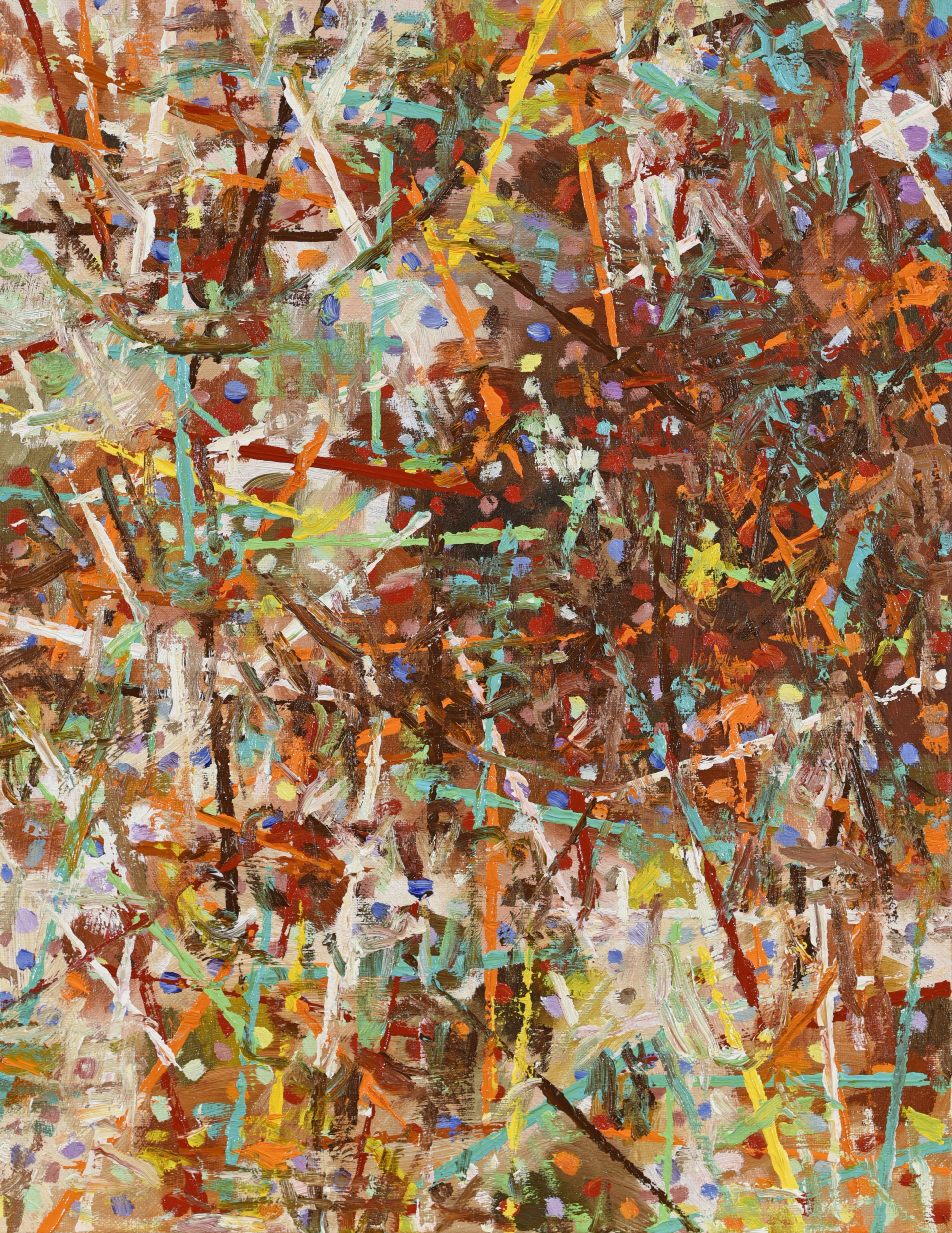
「Fさんの家族」<The family of Ms.F>
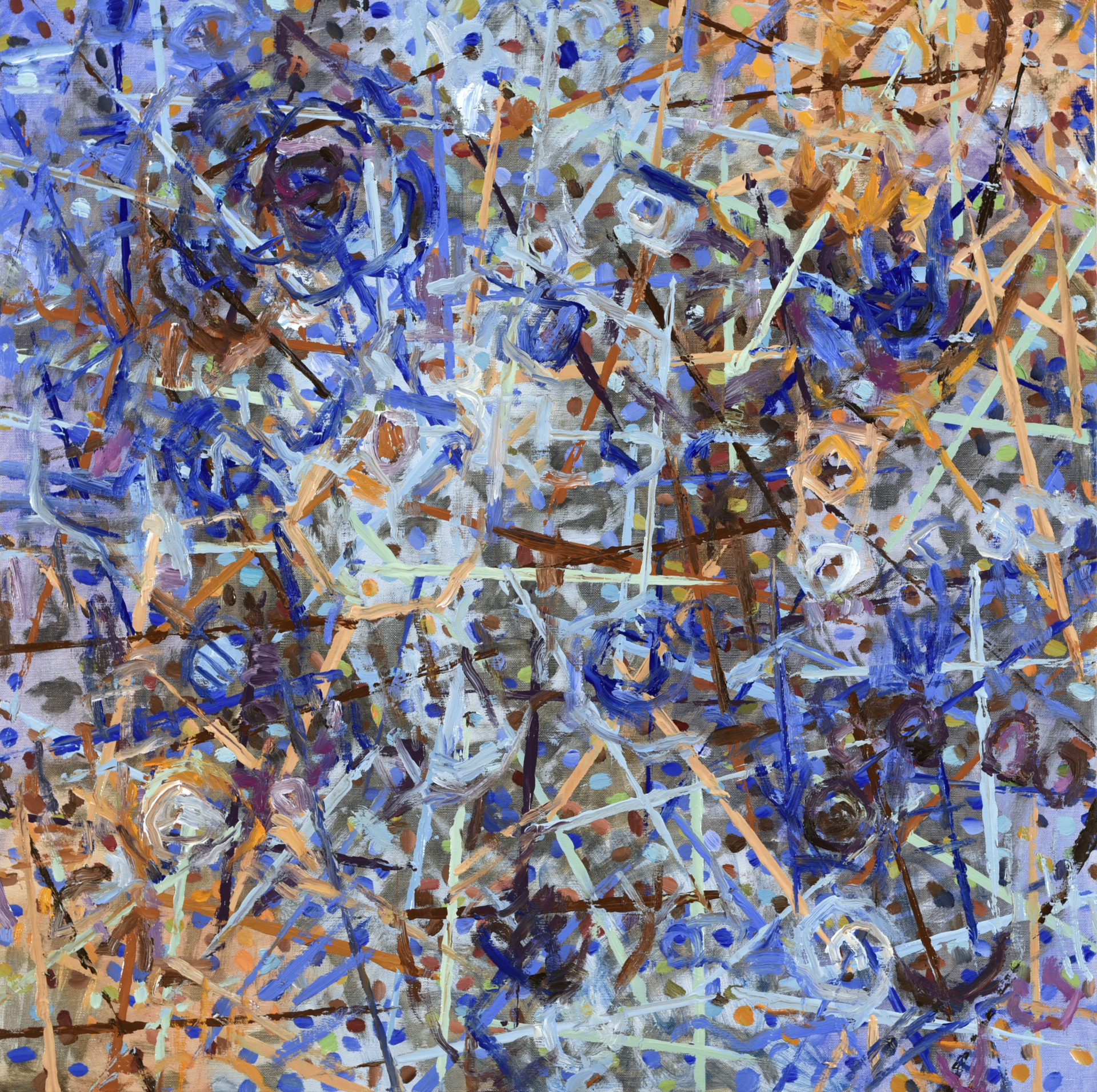
「着ぐるみの人たち」<People wearing costumes>
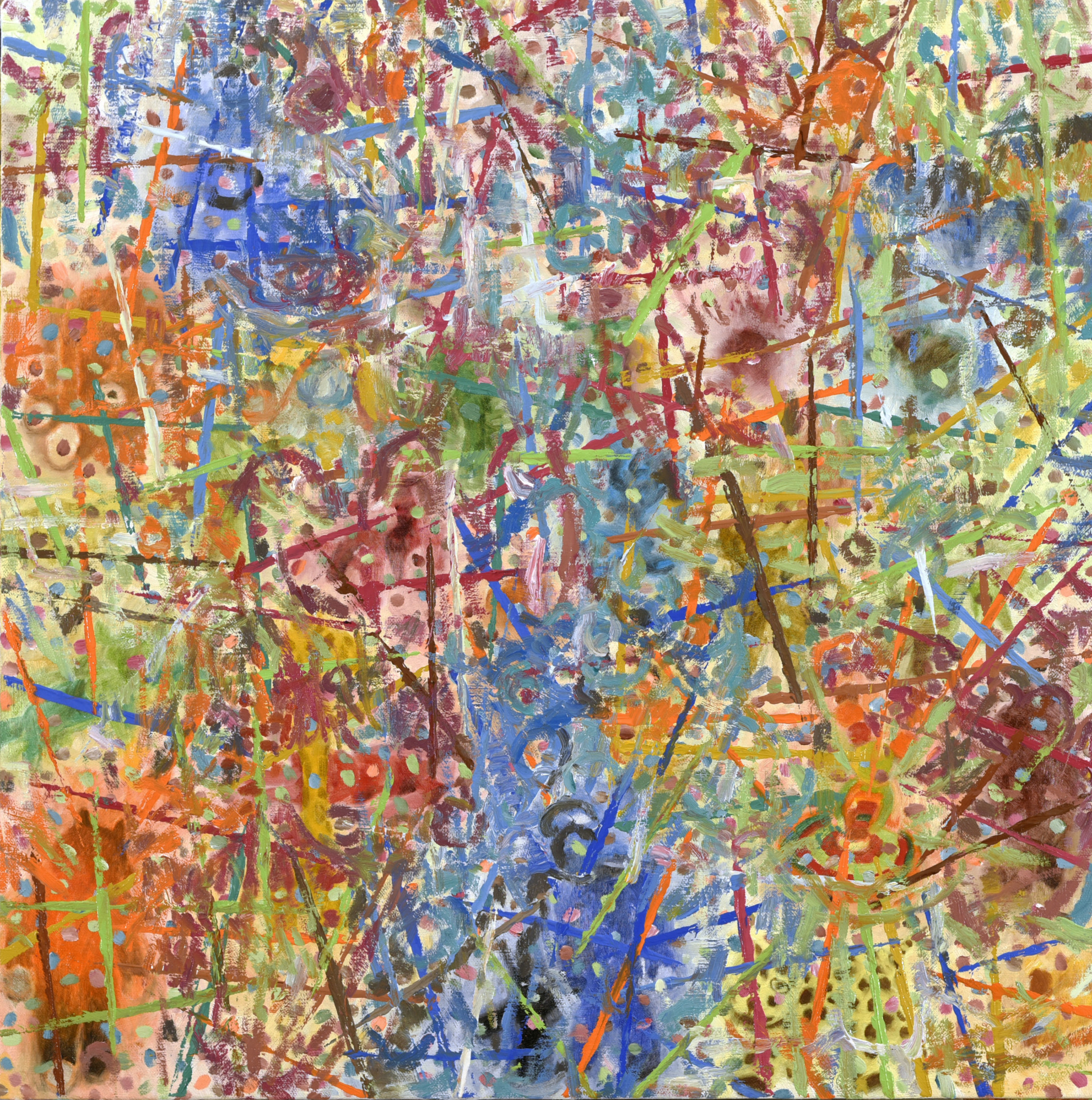
「沖縄・1944年・対馬丸」-Ⅰ <OKINAWA 1944 TSUSHIMAMARU-Ⅱ>
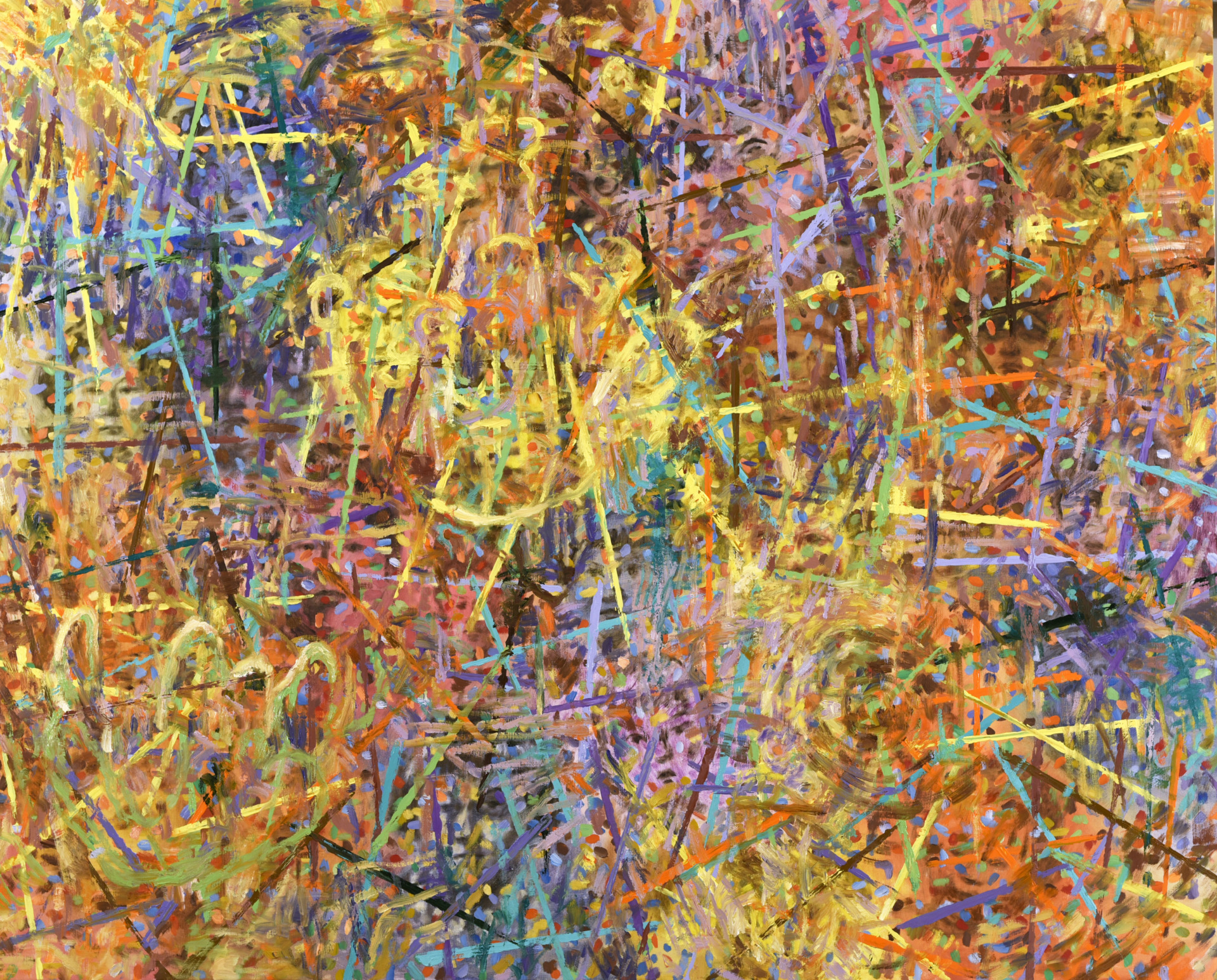
「沖縄・1944年・対馬丸」-Ⅰ <OKINAWA 1944 TSUSHIMAMARU-Ⅱ>
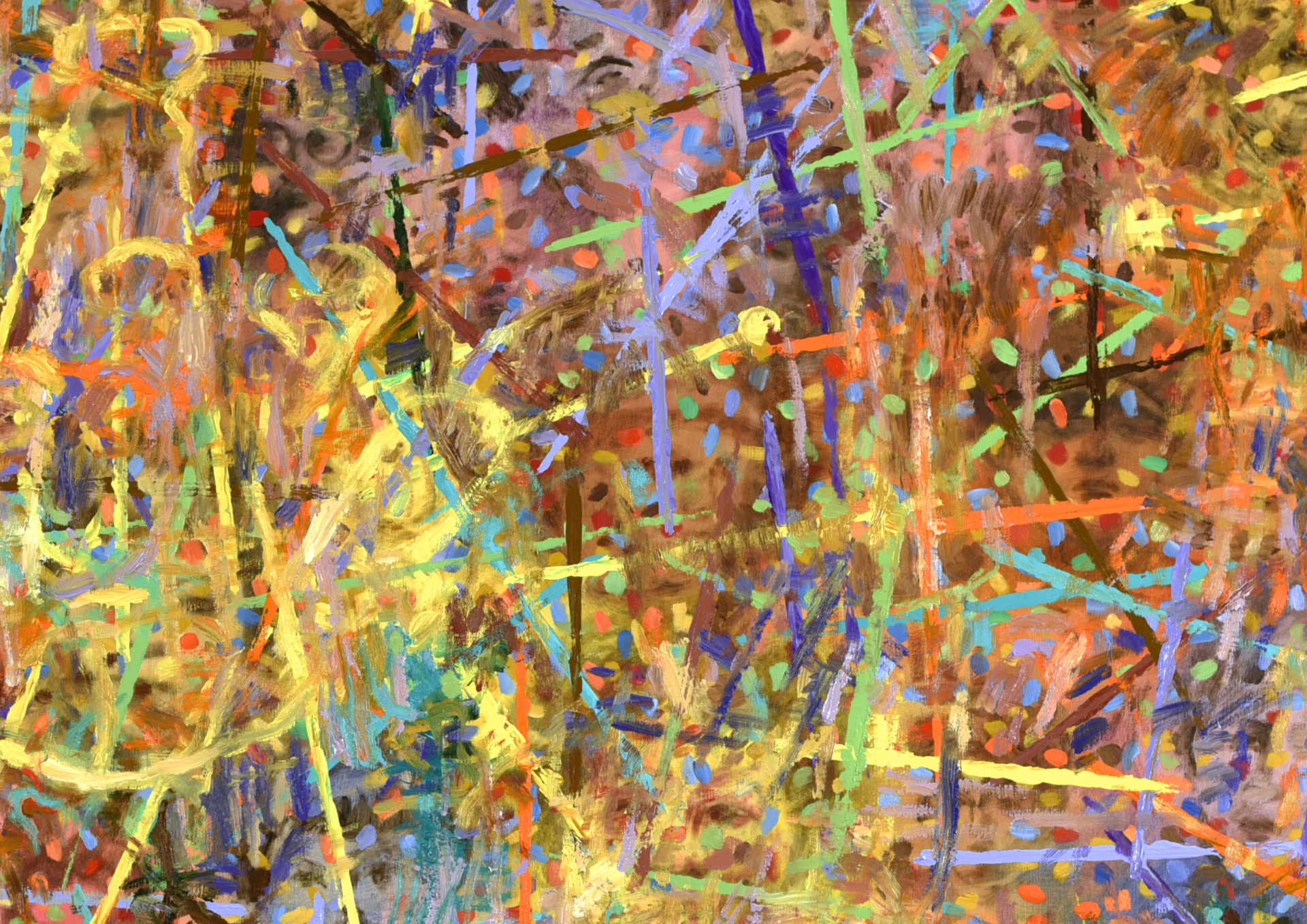
「沖縄・1944年・対馬丸」-Ⅱ <OKINAWA 1944 TSUSHIMAMARU-Ⅱ>
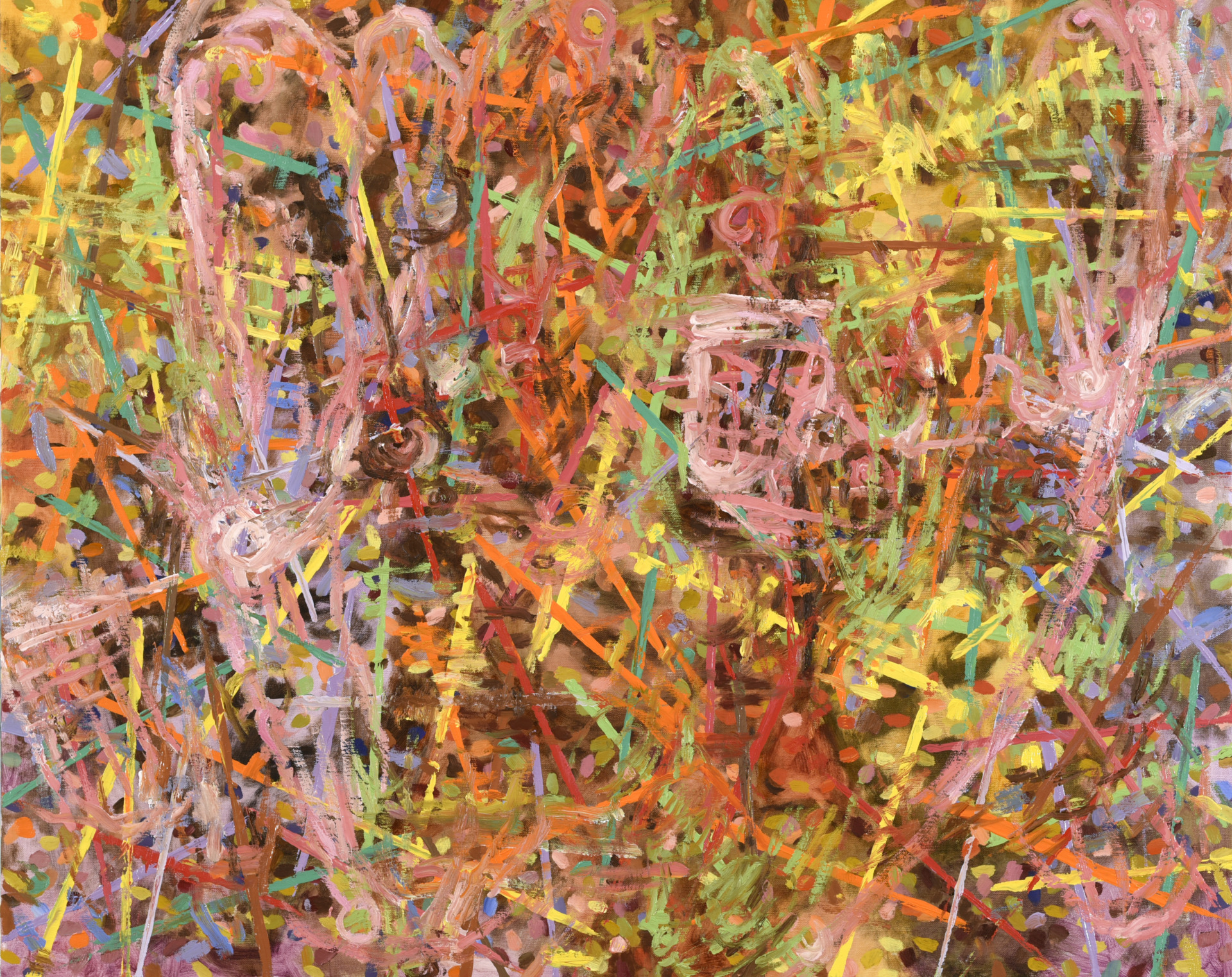
「徳之島から来た男」<Man from Tokunoshima>
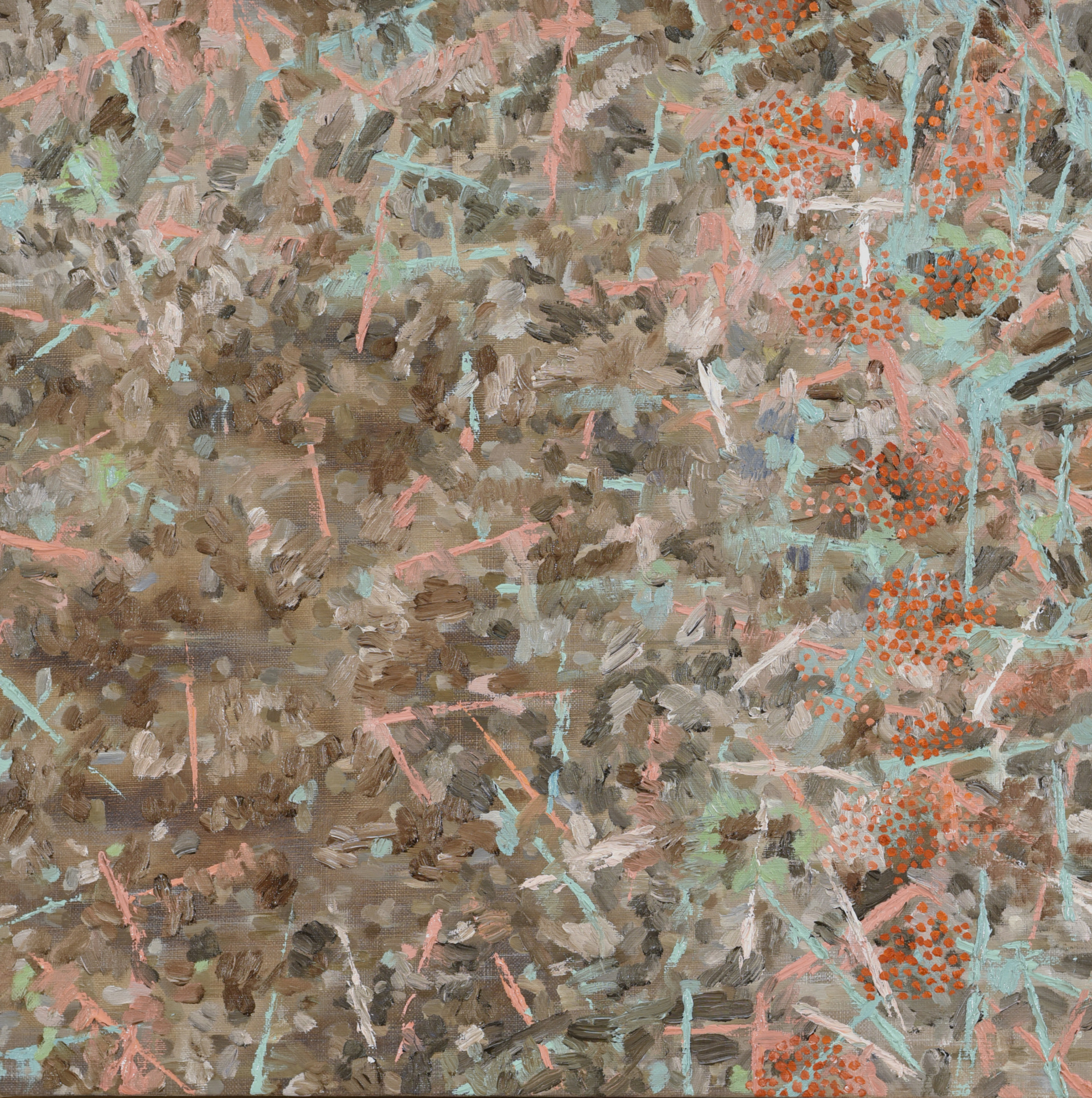
「顔の襲来」<Attack of the faces>
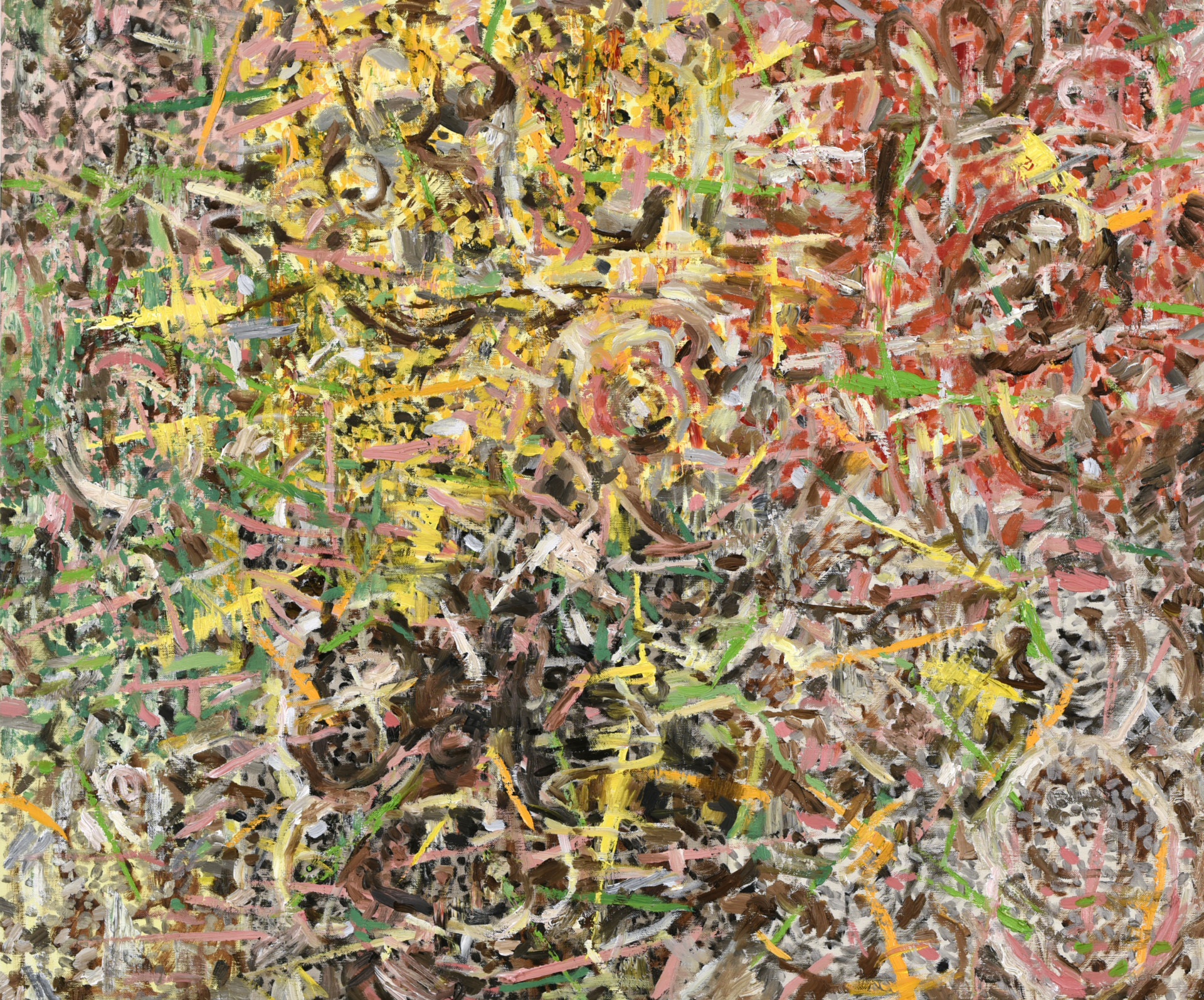
「教師の祖母」<The grandmother of the teacher>
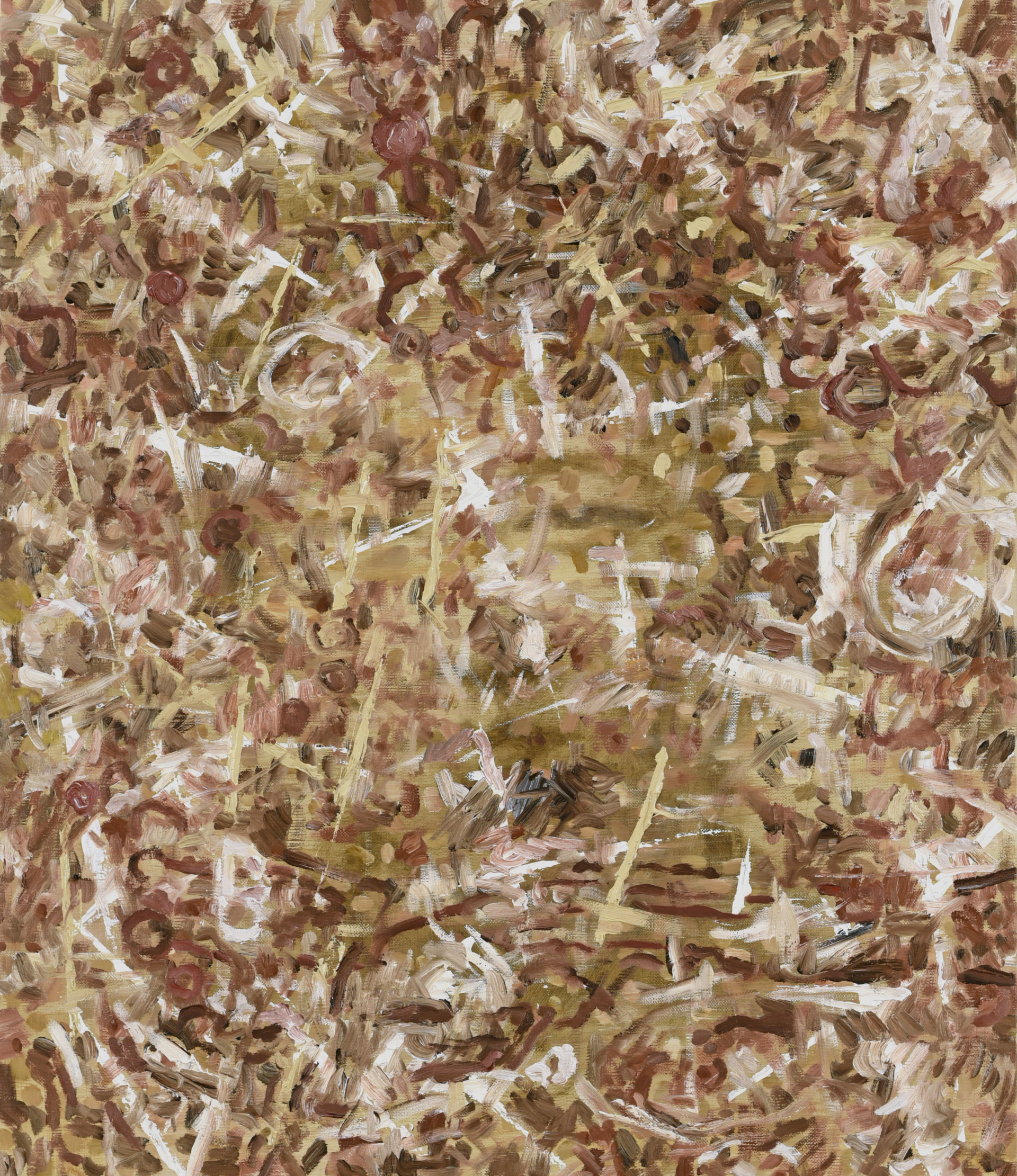
「トリのいる星雲」<Nebula with bird>
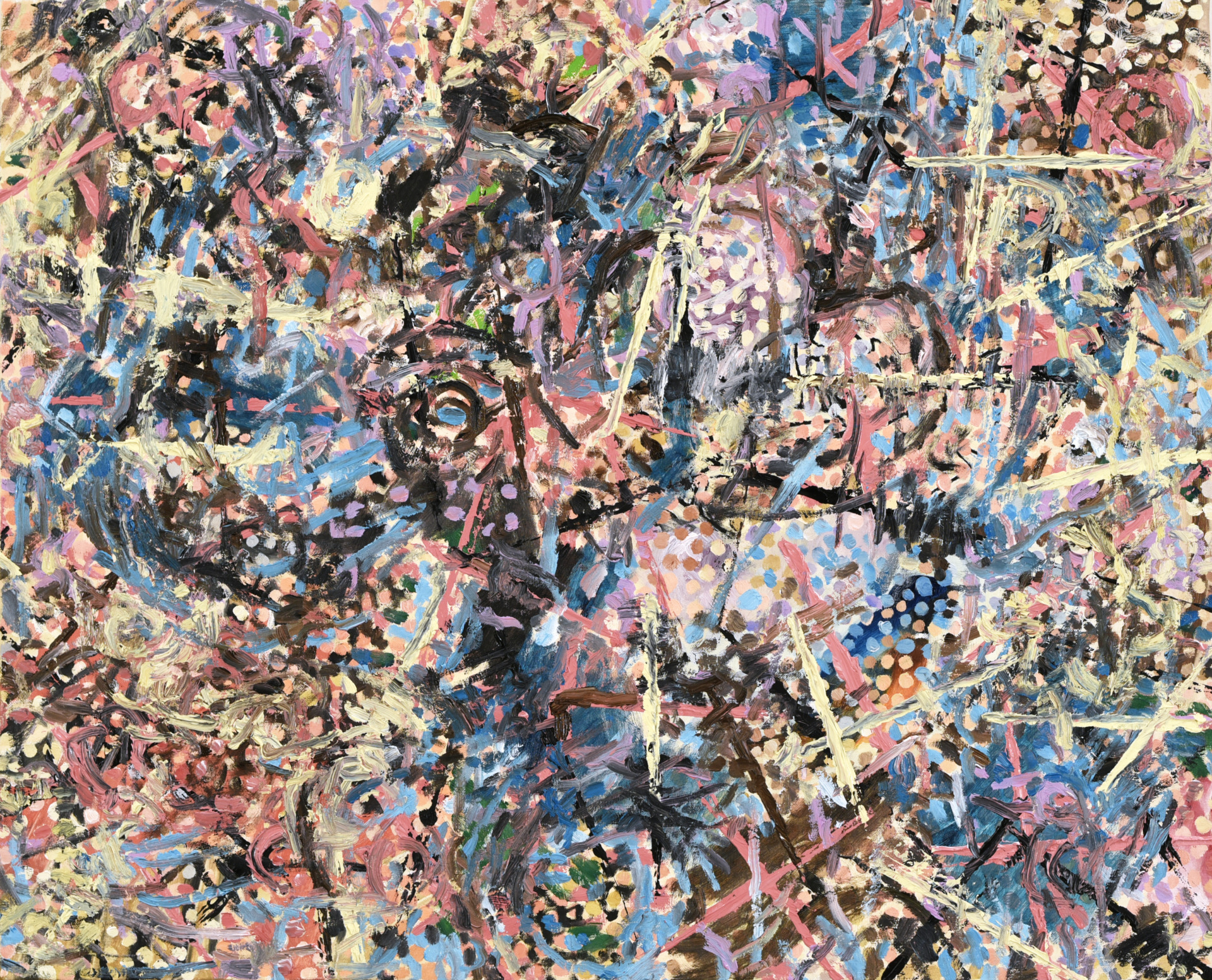
「トリのいる星雲」<Nebula with bird>
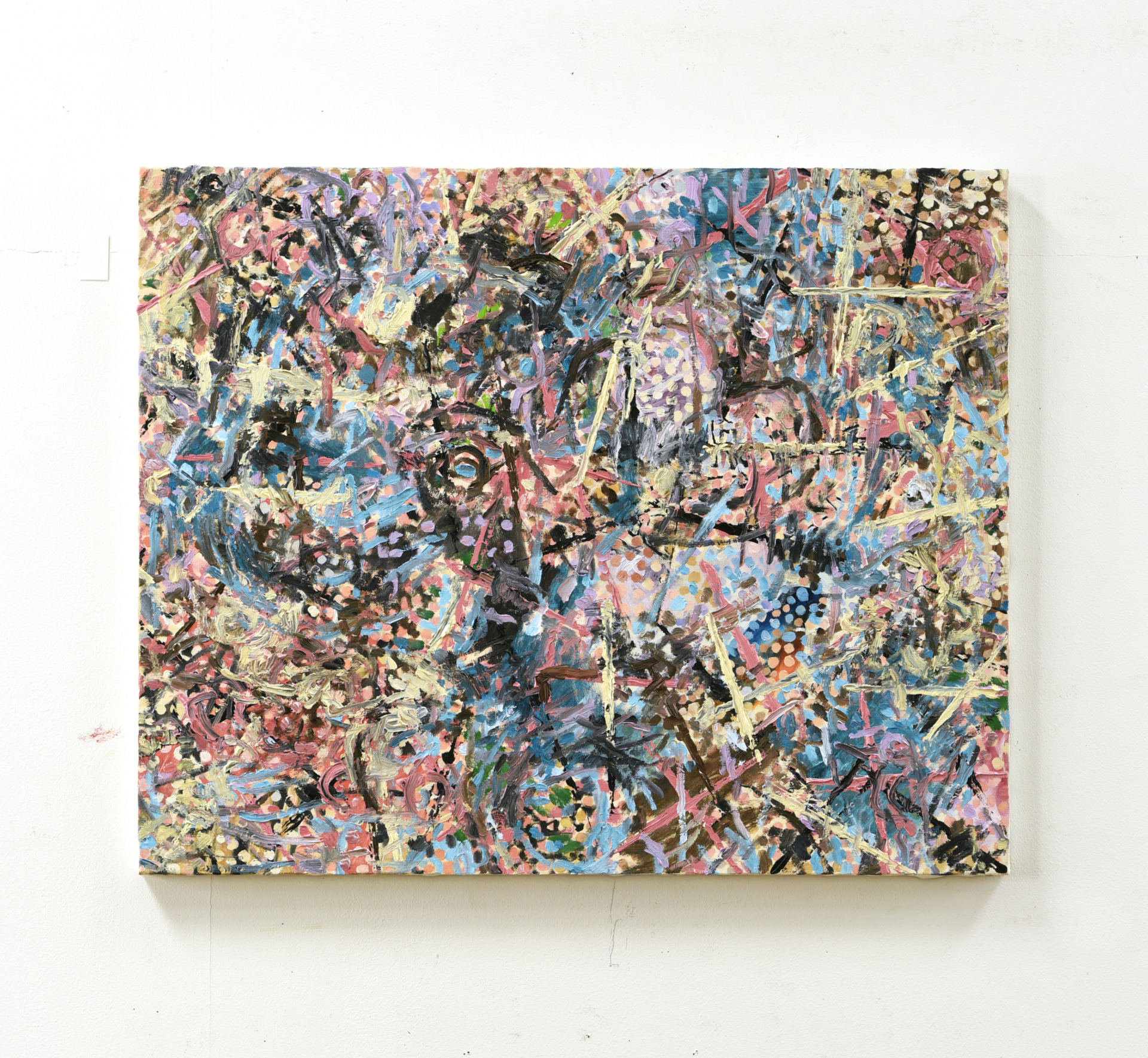
「トリのいる星雲」<Nebula with bird>
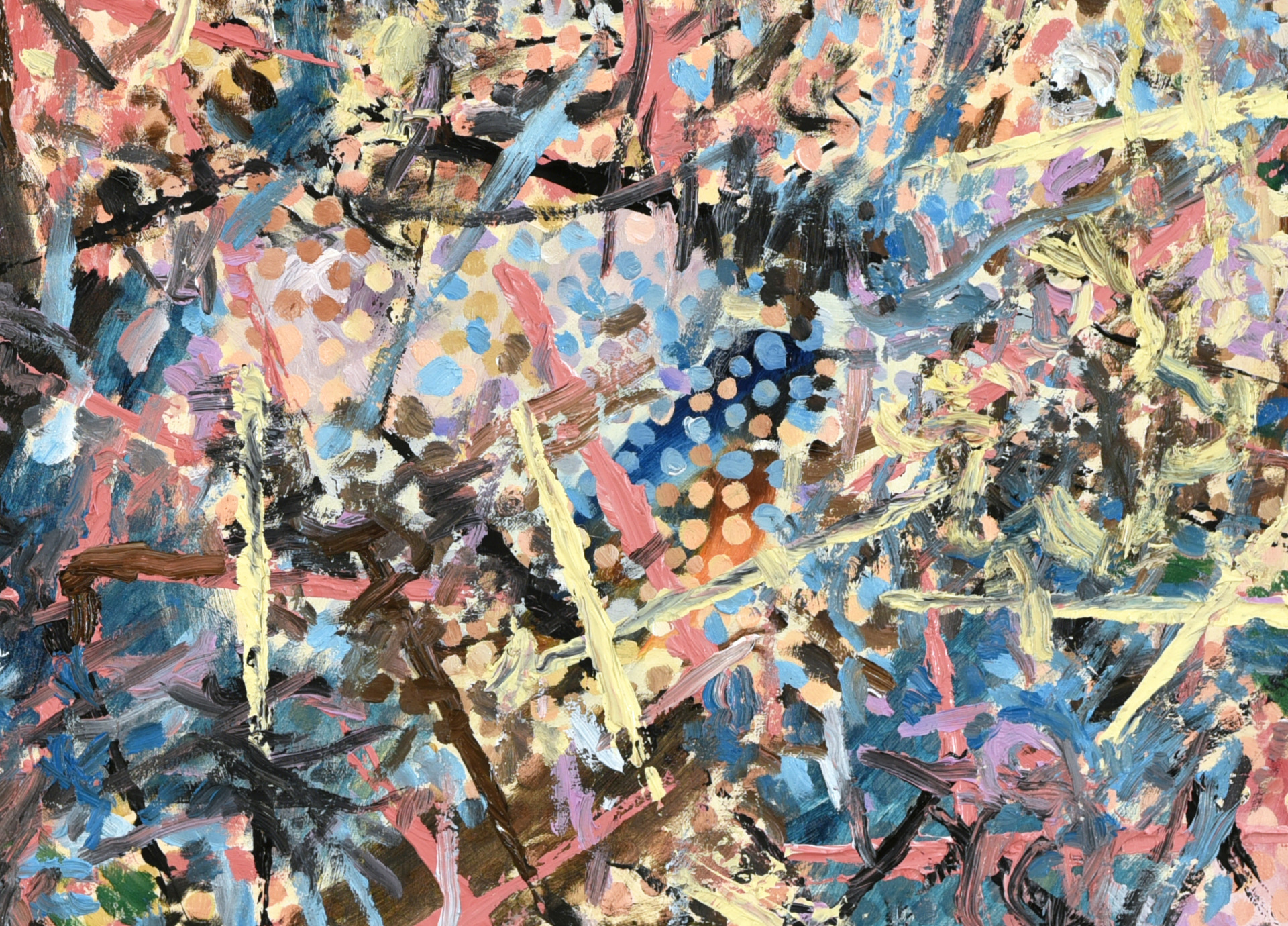
「炎の少女 − 七五三」<Girl on Fire –7・5・3>
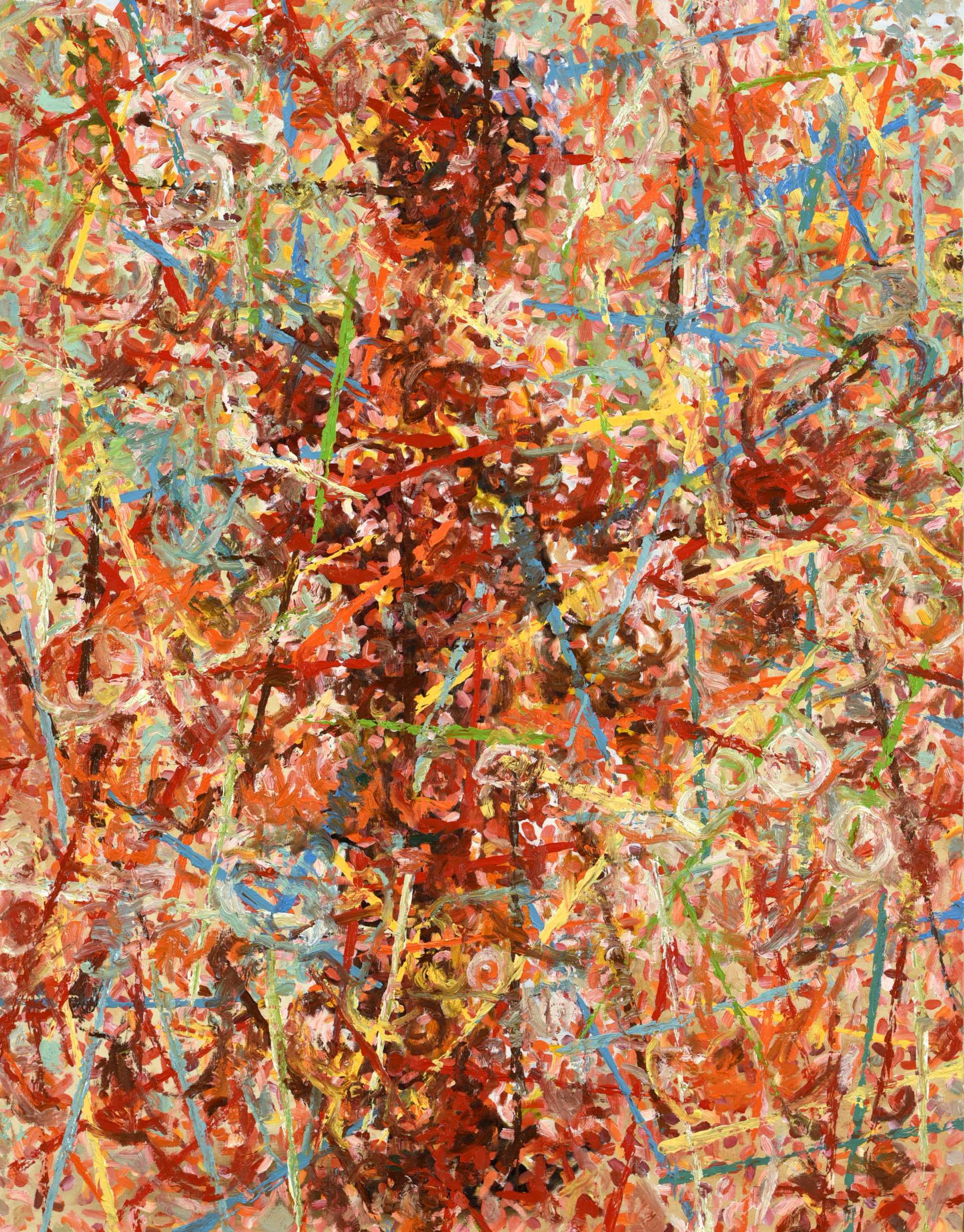
「炎の少女 − 七五三」<Girl on Fire –7・5・3>
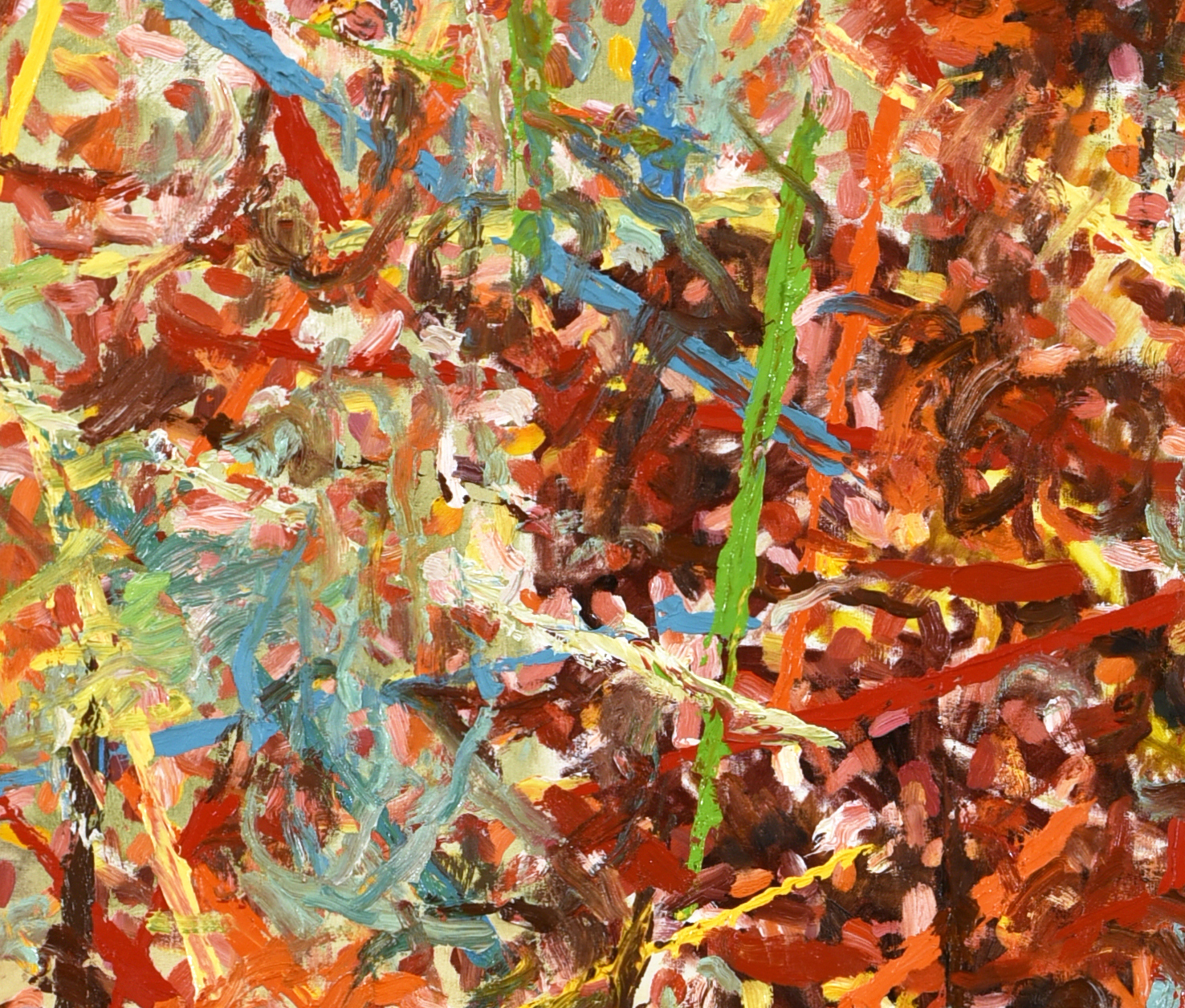
「1938年から今にやってきた」<Who came from 1938 to now>
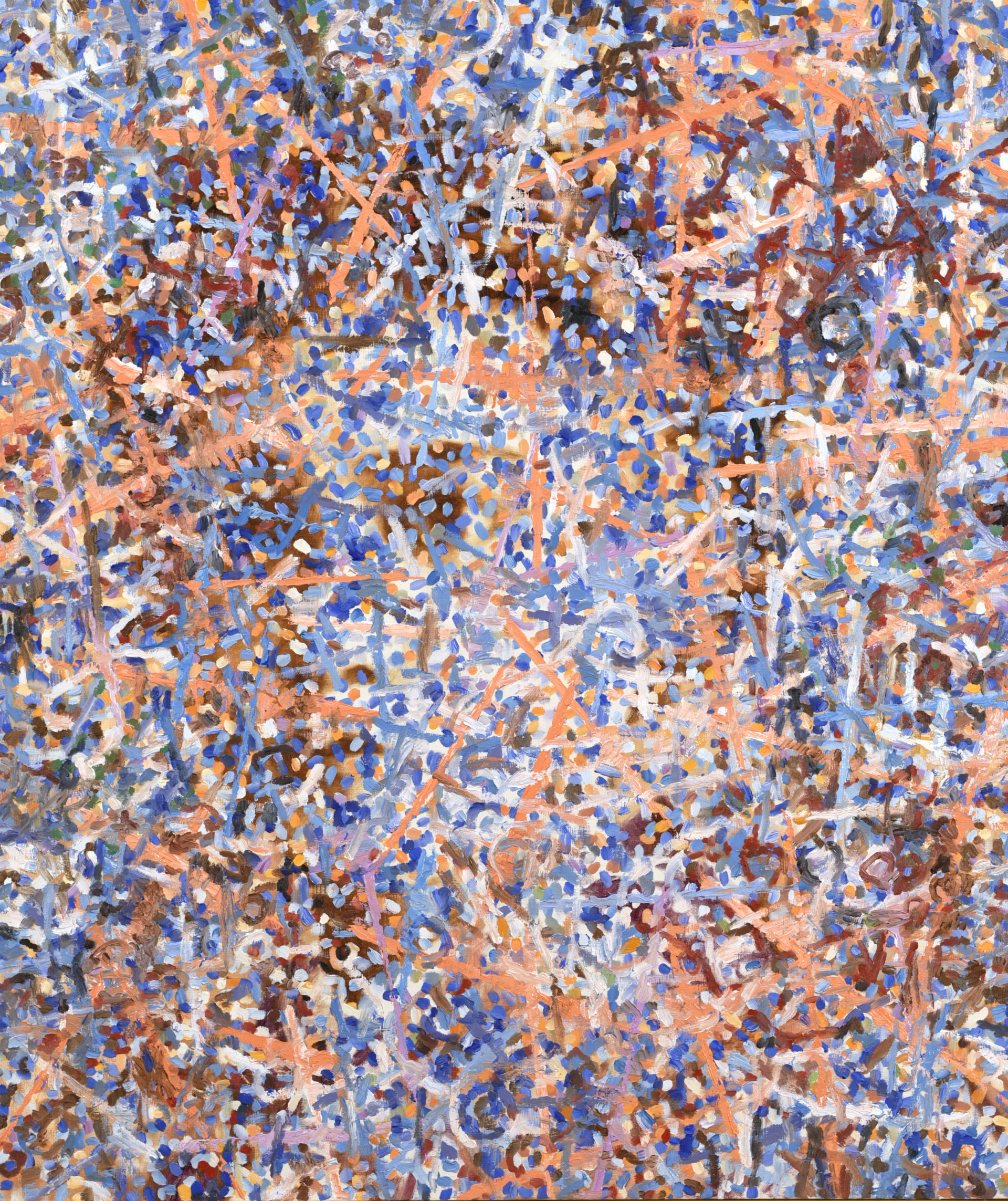
「ふたりのロッカーと誰か」 <Two Rockers and Someone>
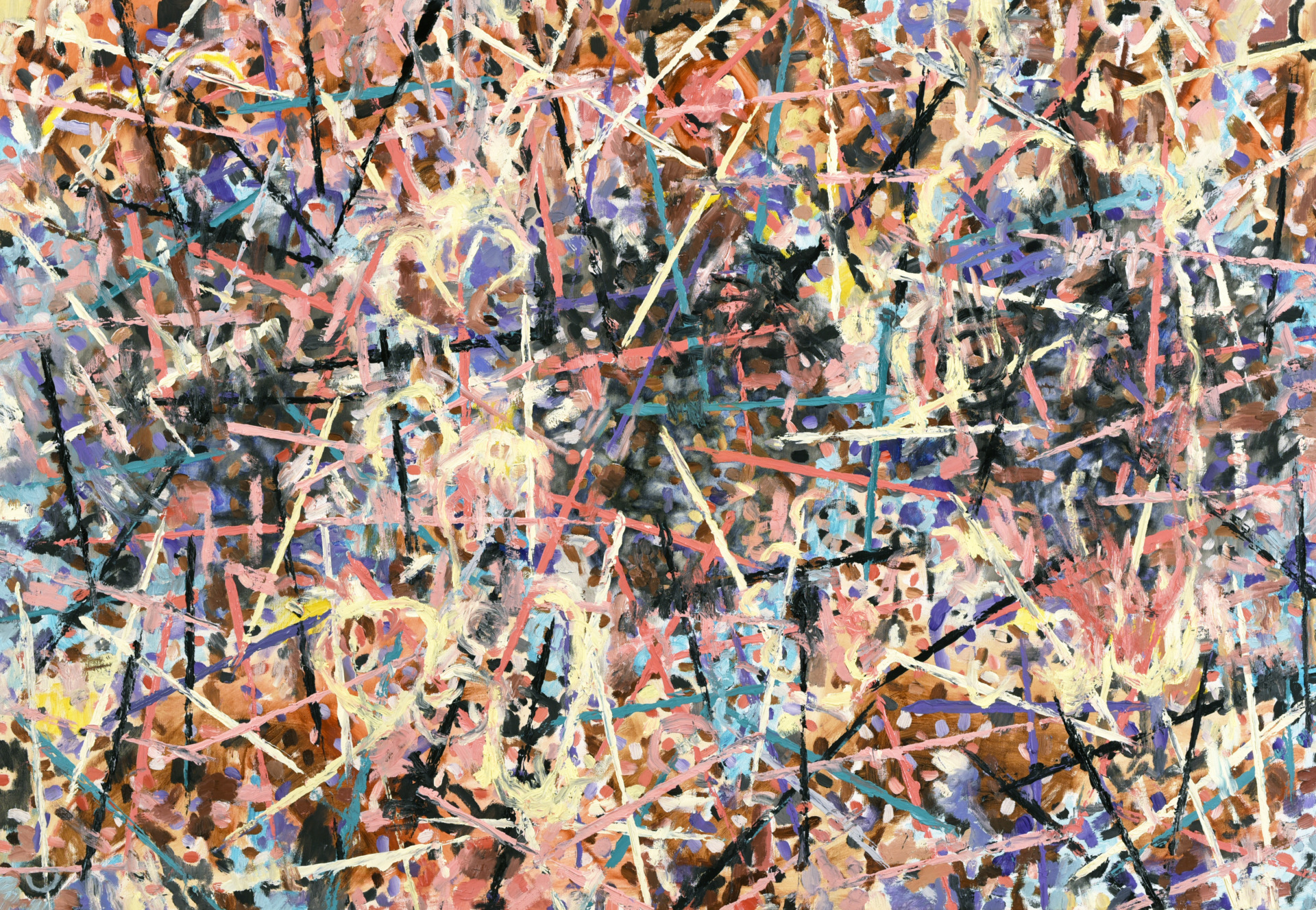
「ふたりのロッカーと誰か」 <Two Rockers and Someone>
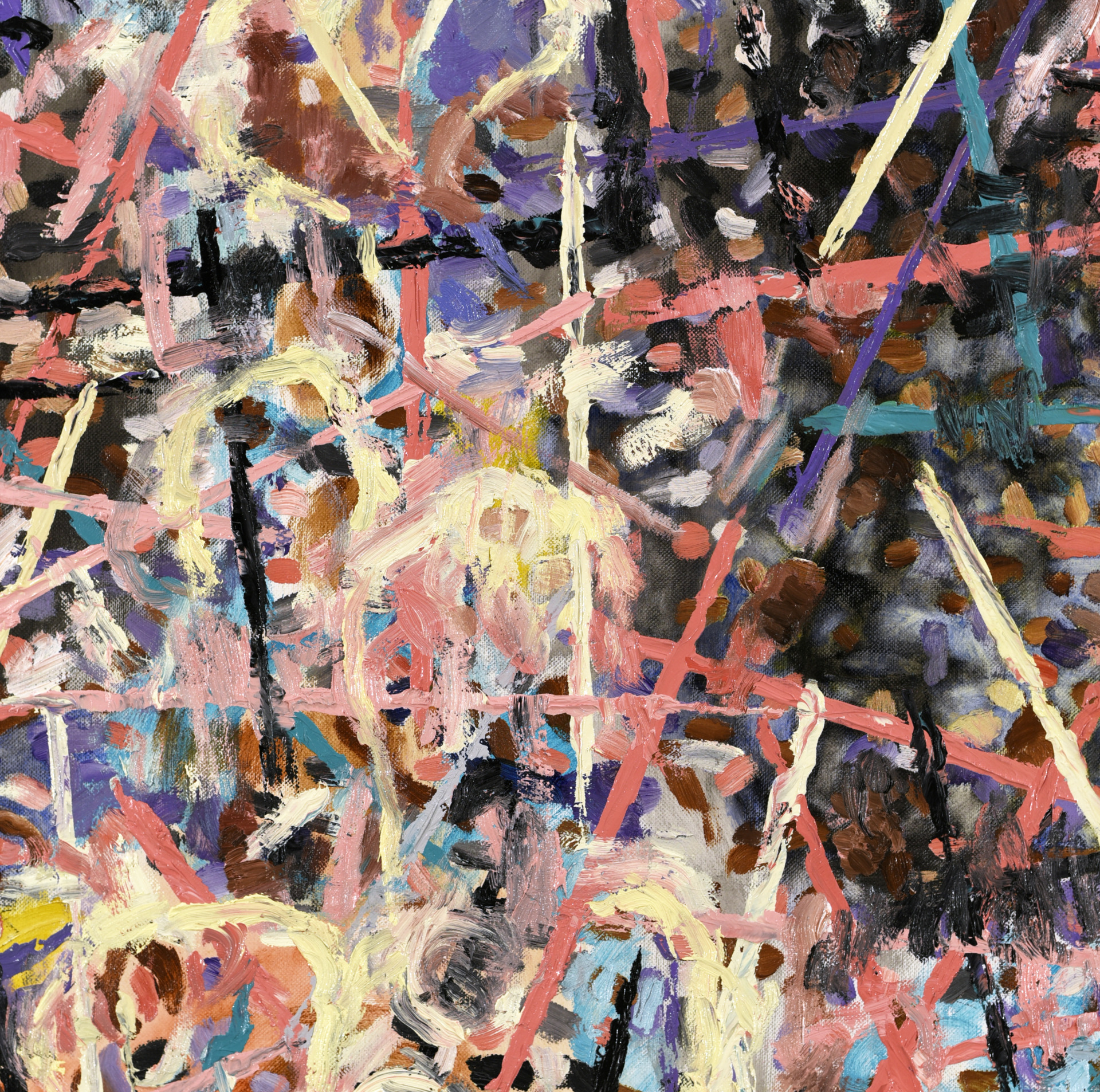
「記憶の戦場」<Battle Field of Memory>
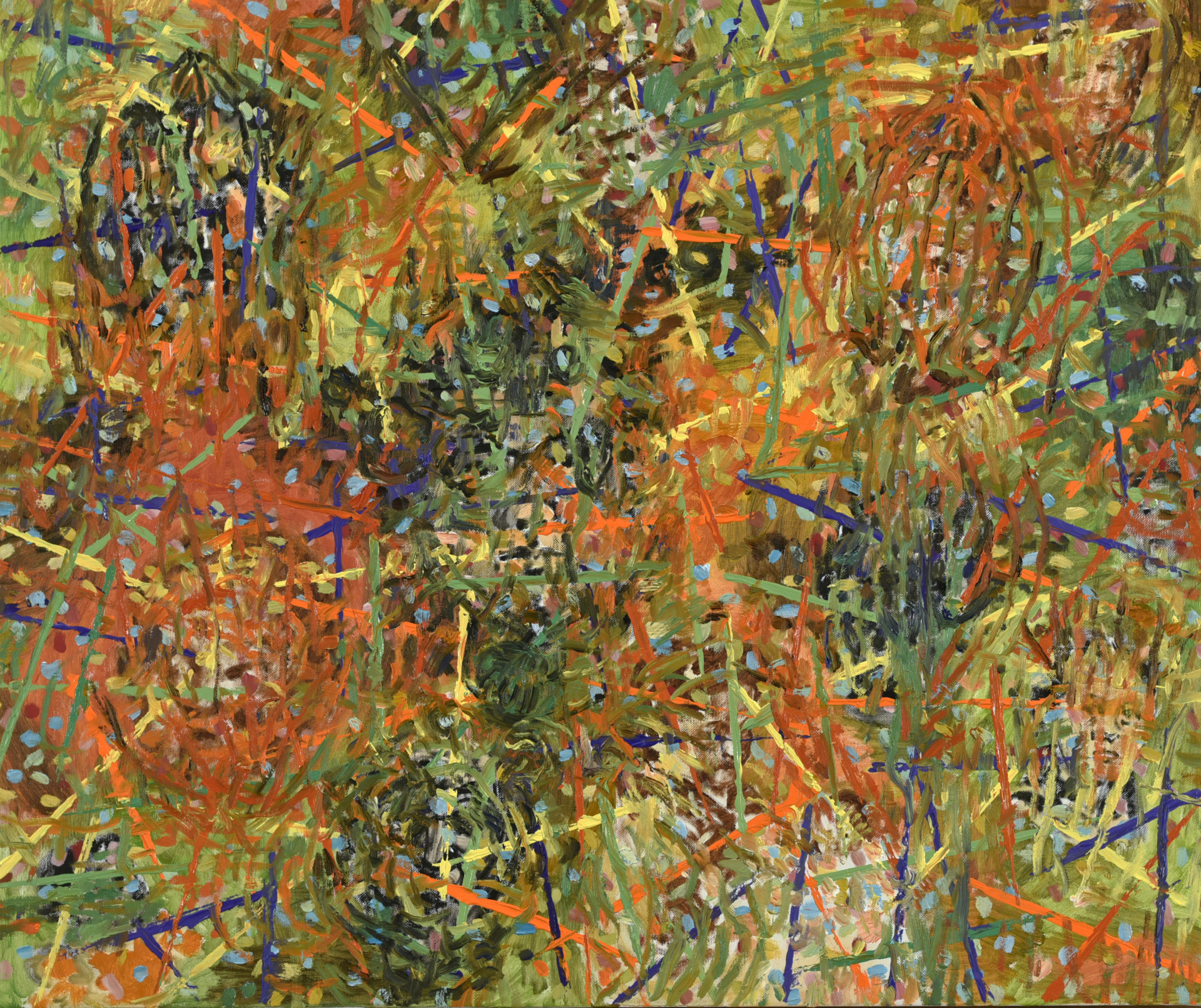
「記憶の戦場」<Battle Field of Memory>
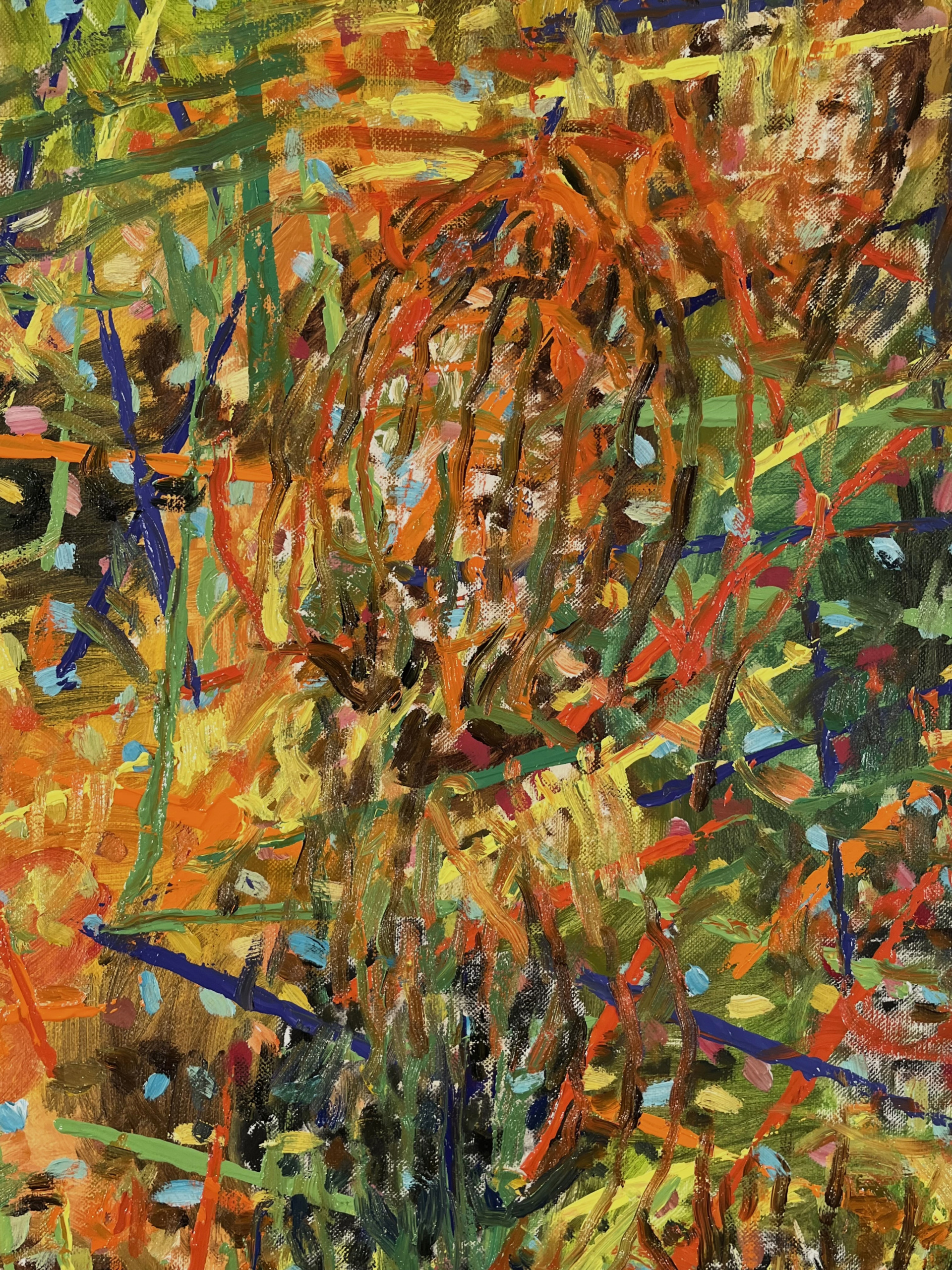
「記憶の戦場」<Battle Field of Memory>
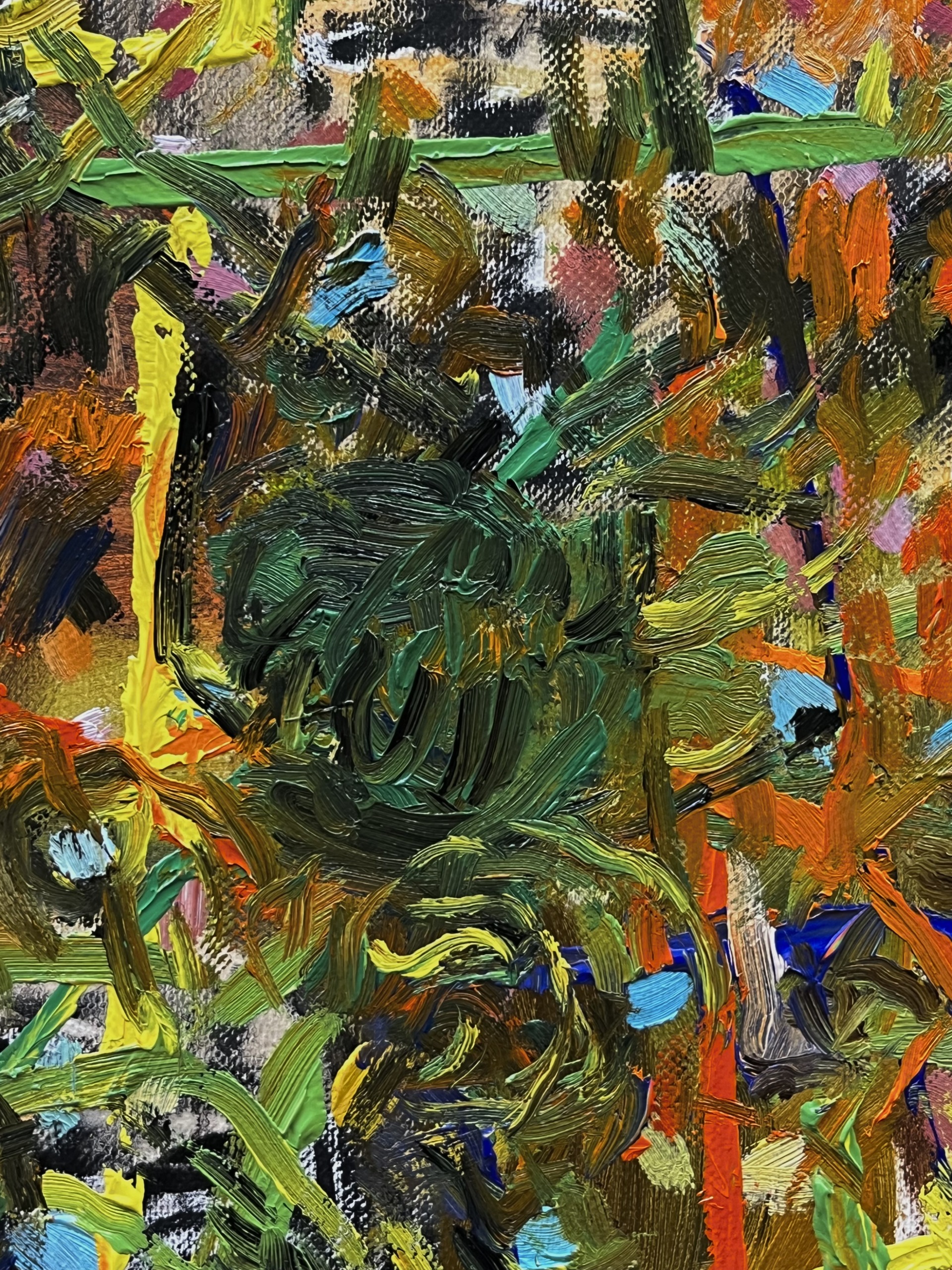
Small paintings – Acceptance A 「星座のつくりかた−如意輪観音菩薩」
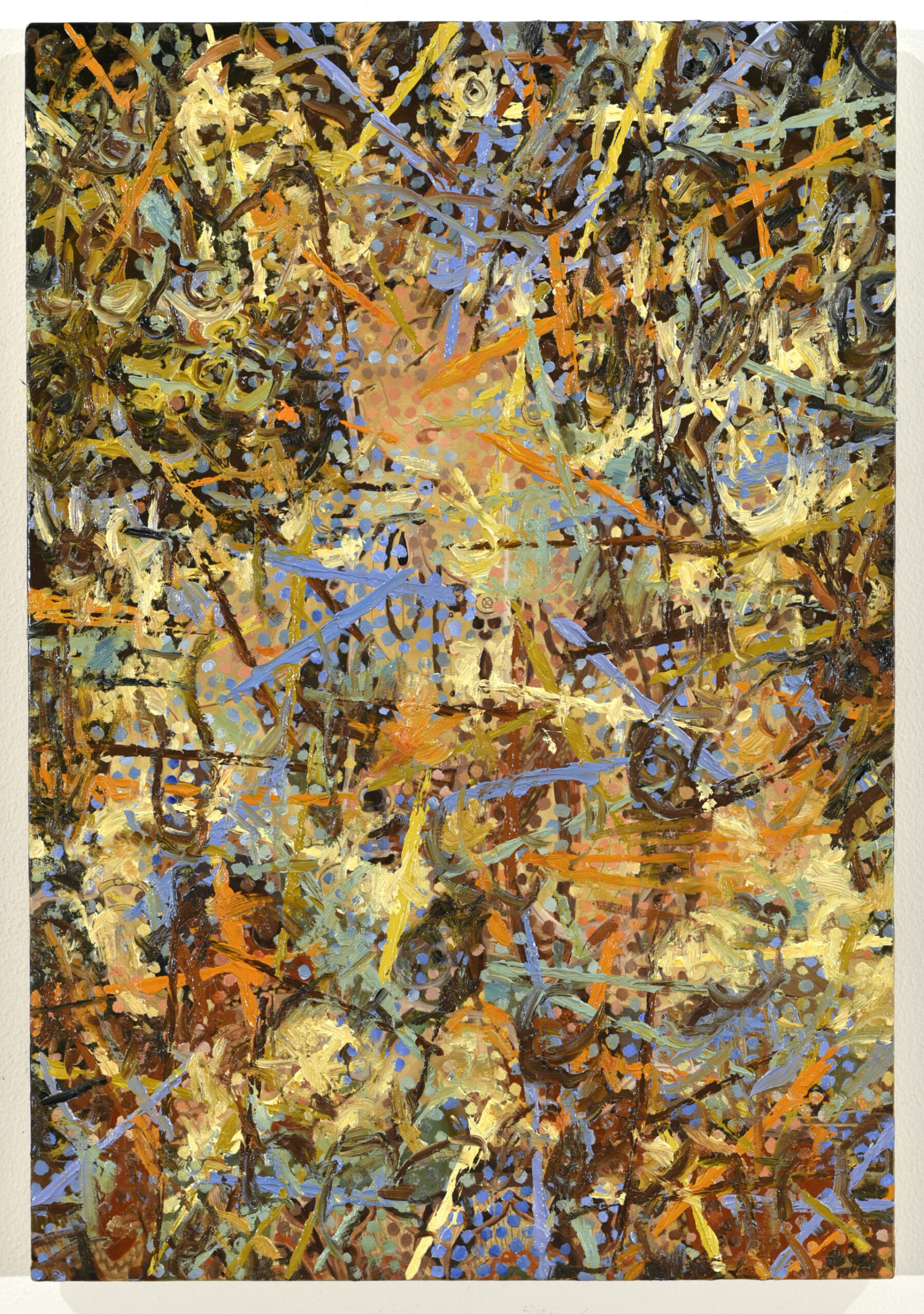
Small paintings – Acceptance B「横顔と平顔」<Profile and flat face>
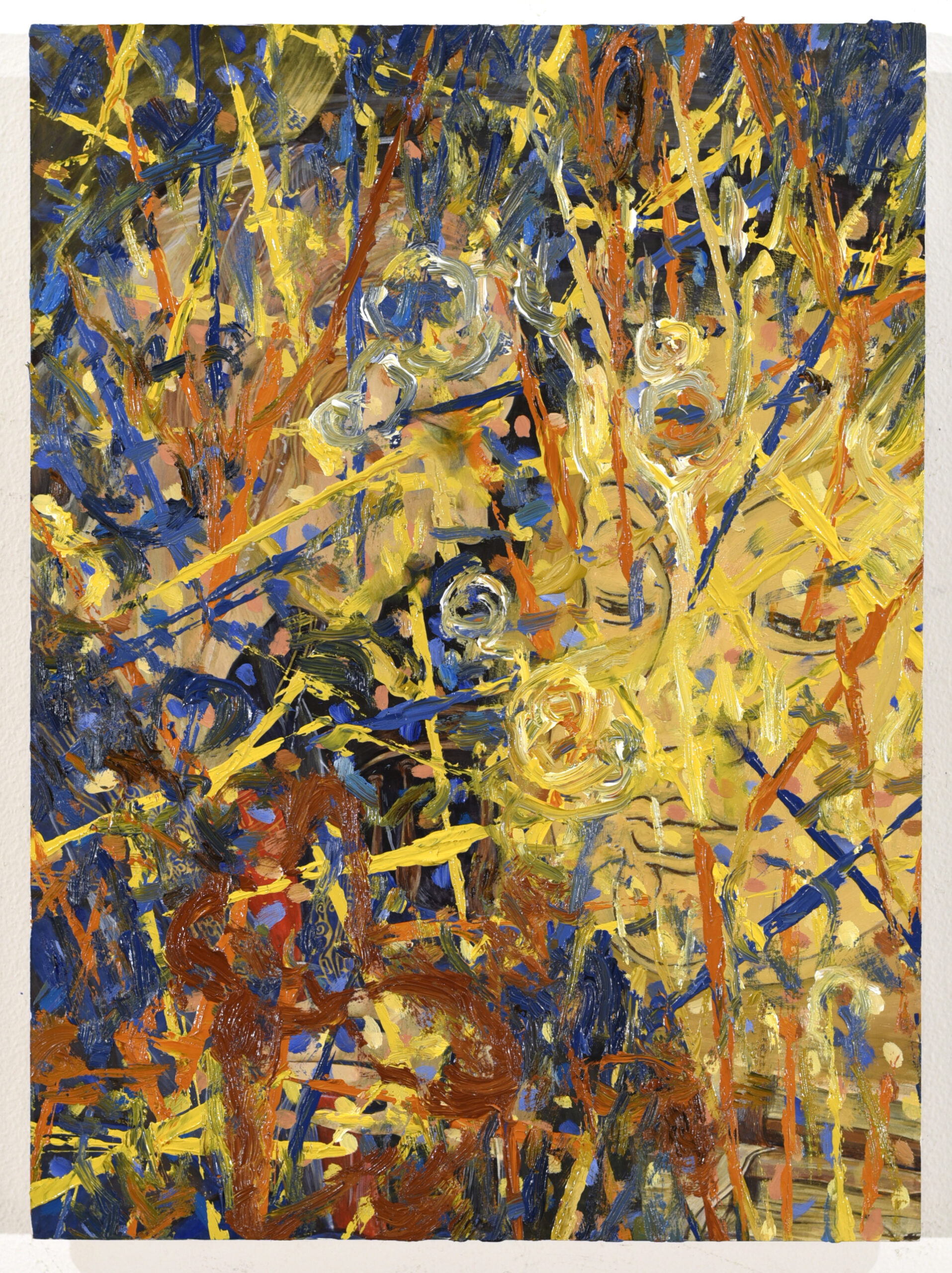
Small paintings C「星座のつくりかた−ガブリエル」<How to make a constellation-Gabriel>
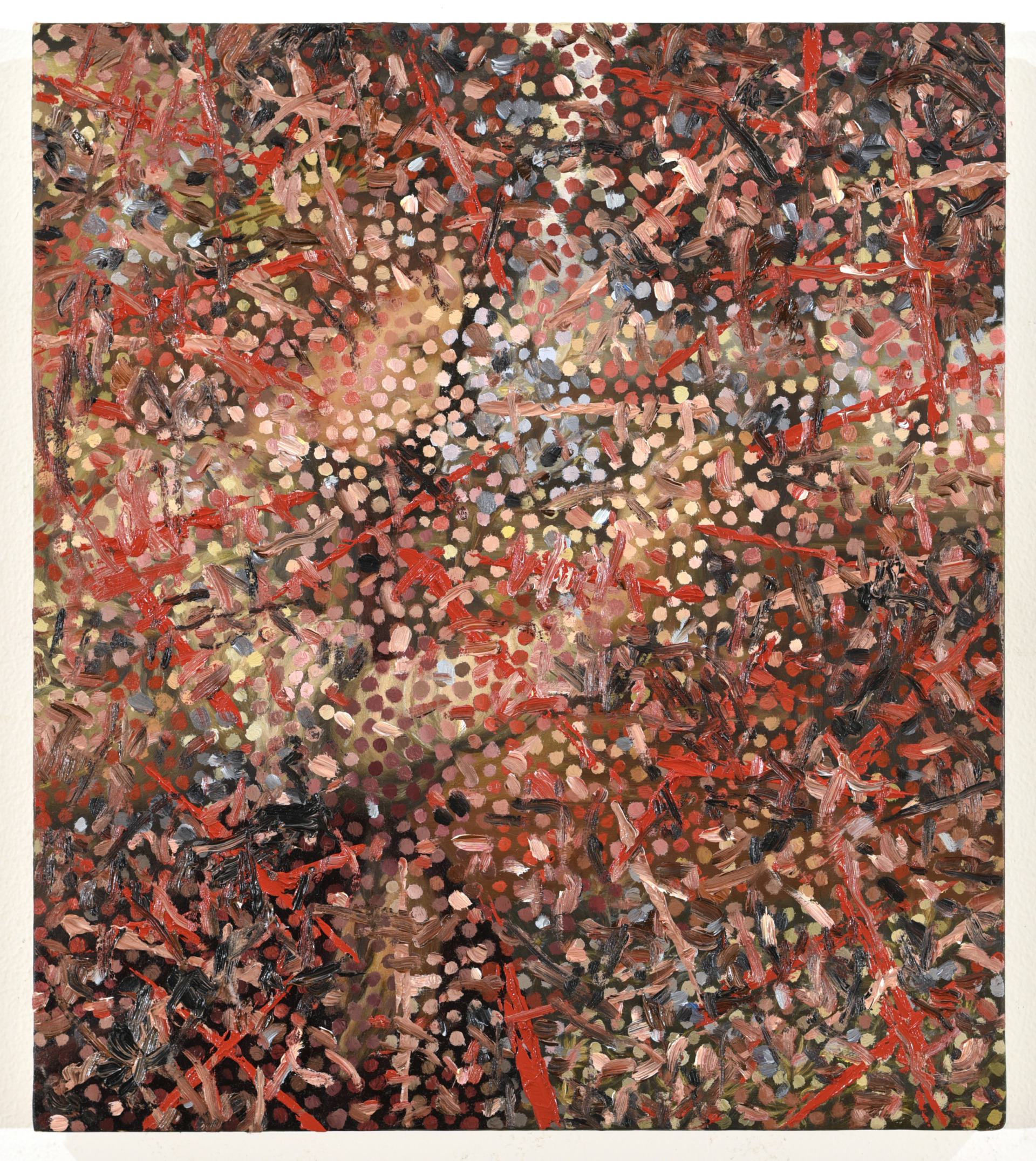
Small paintings – Structure Ⅰ 「額縁と眼」<Frame and Eyes>
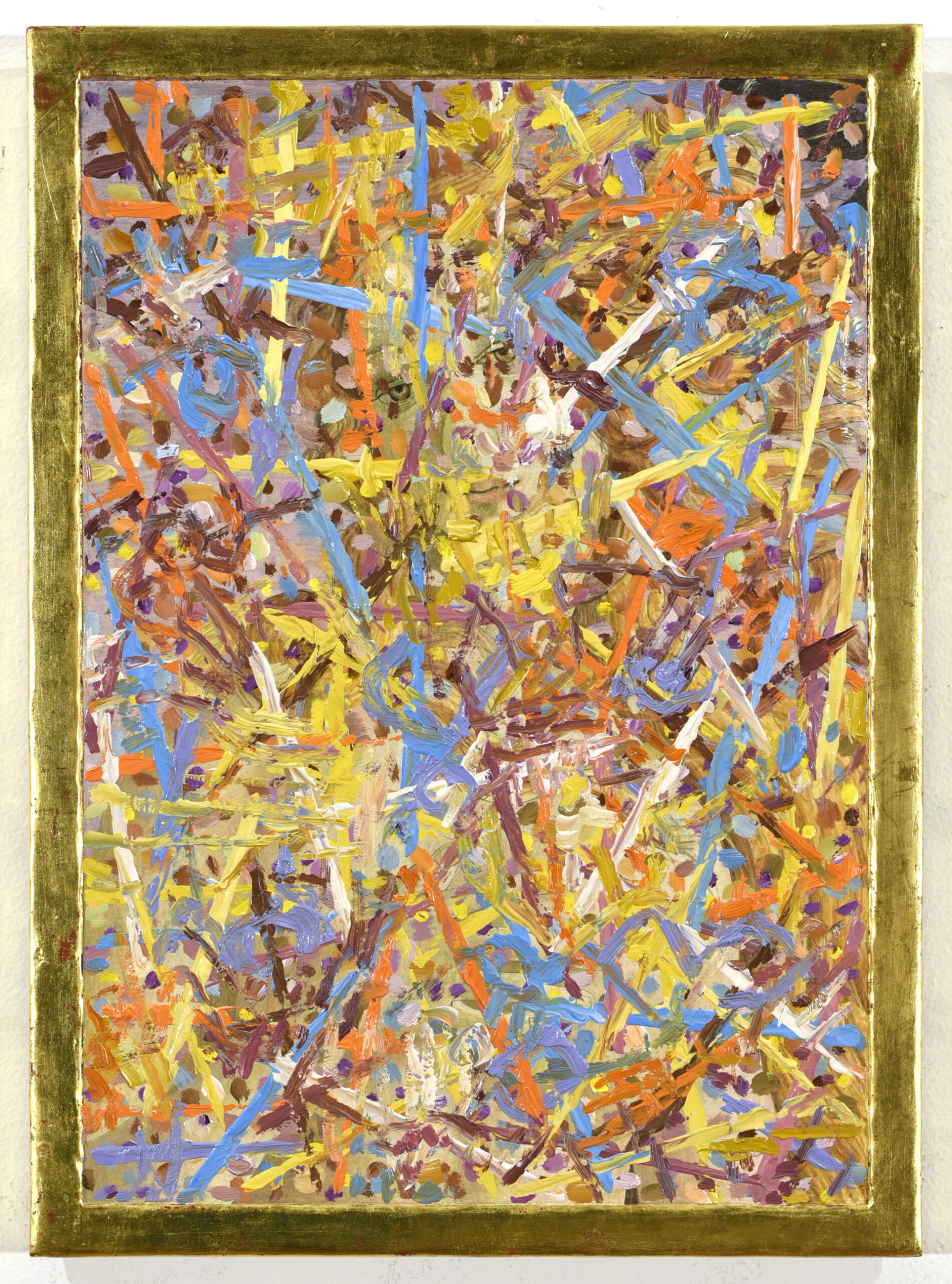
Small paintings – Structure Ⅱ 「月の並木道」<Moonlit Avenue>
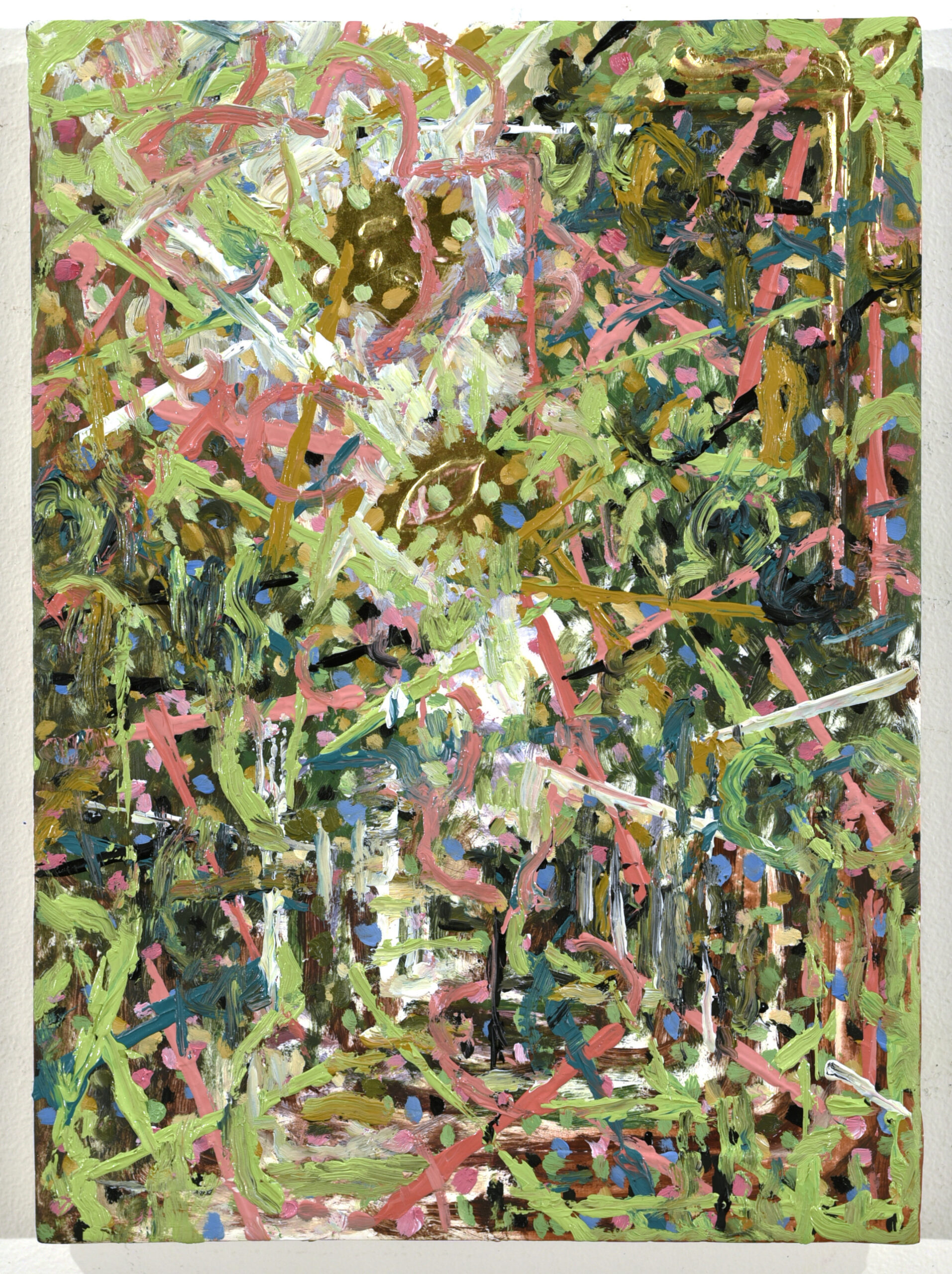
Small paintings – Structure Ⅲ 「金の星から」<From Gold Star>
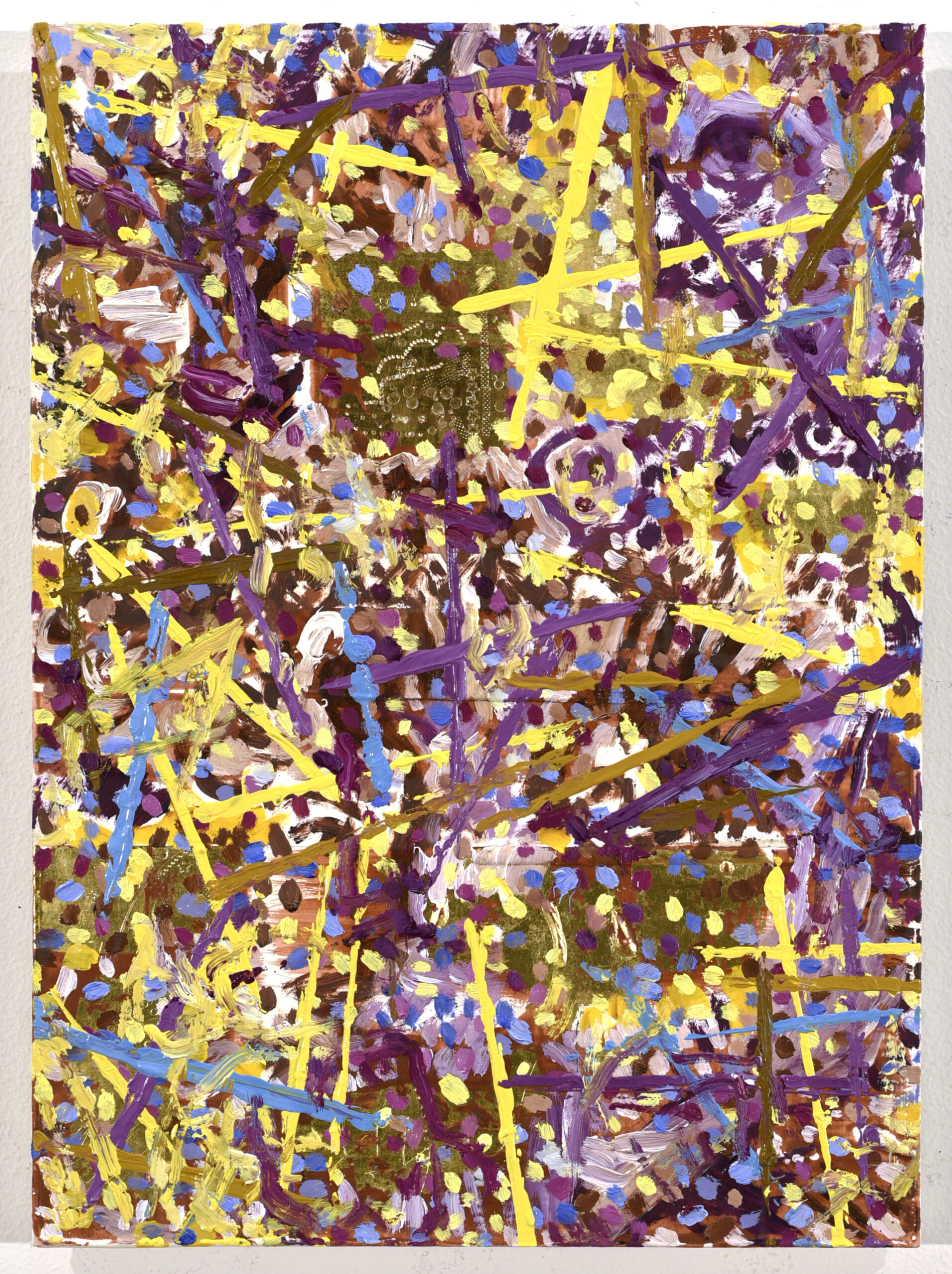
Small paintings – Structure Ⅳ 「額縁と天体」<Picture Frame and Celestial Bodies>
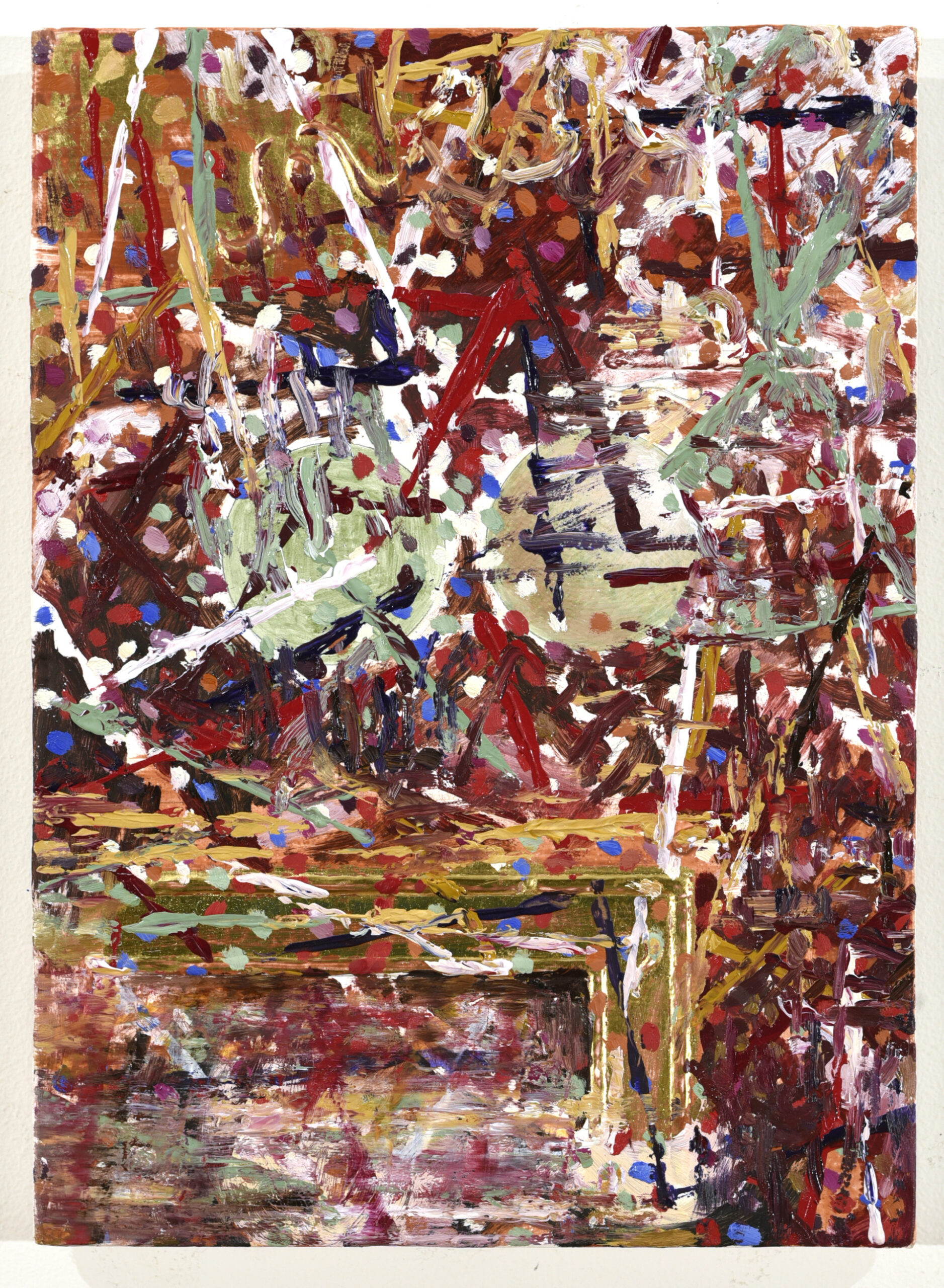
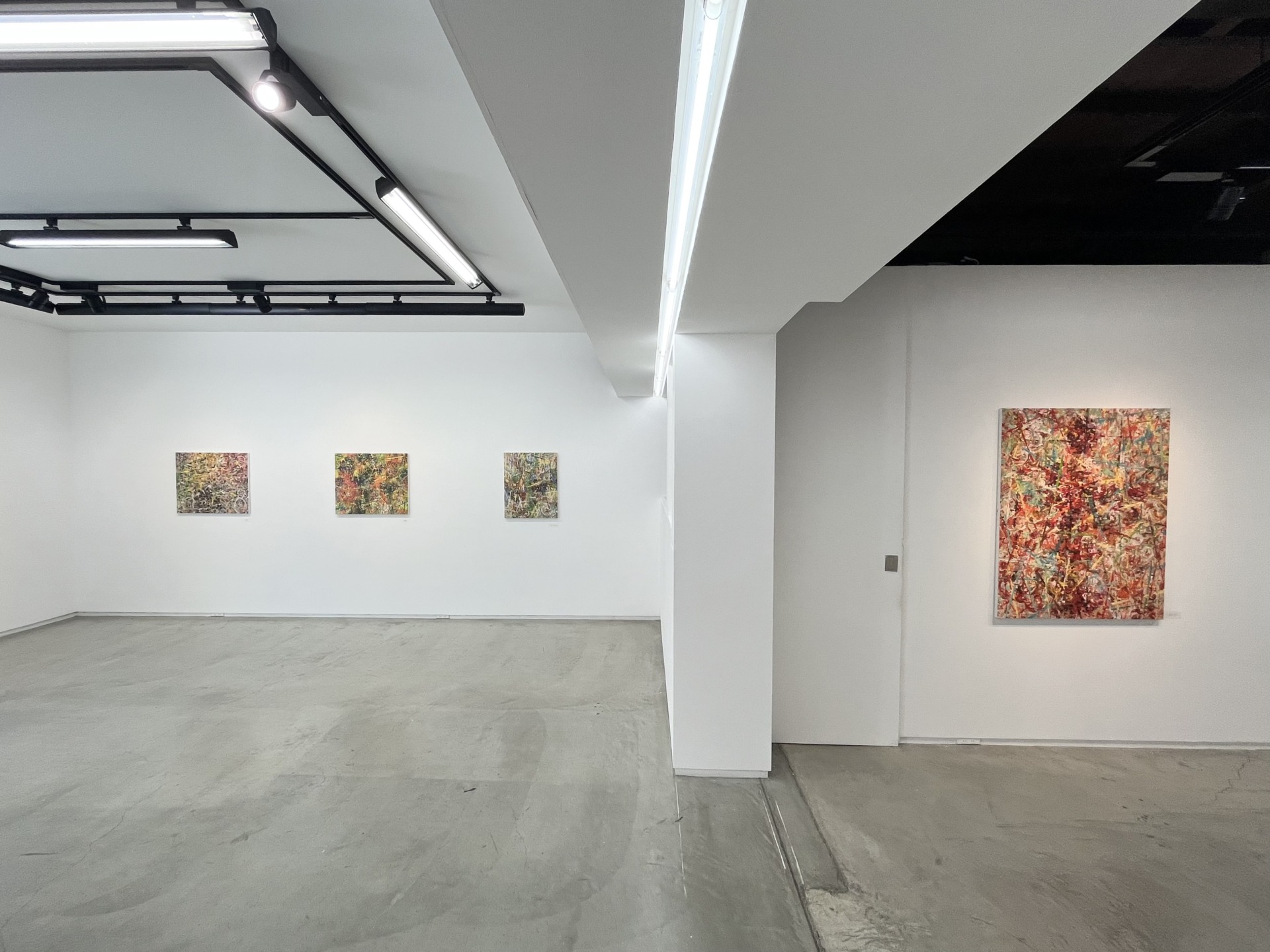
Installation view of “OVER PAINTING” at GALLERY MoMo, 2026
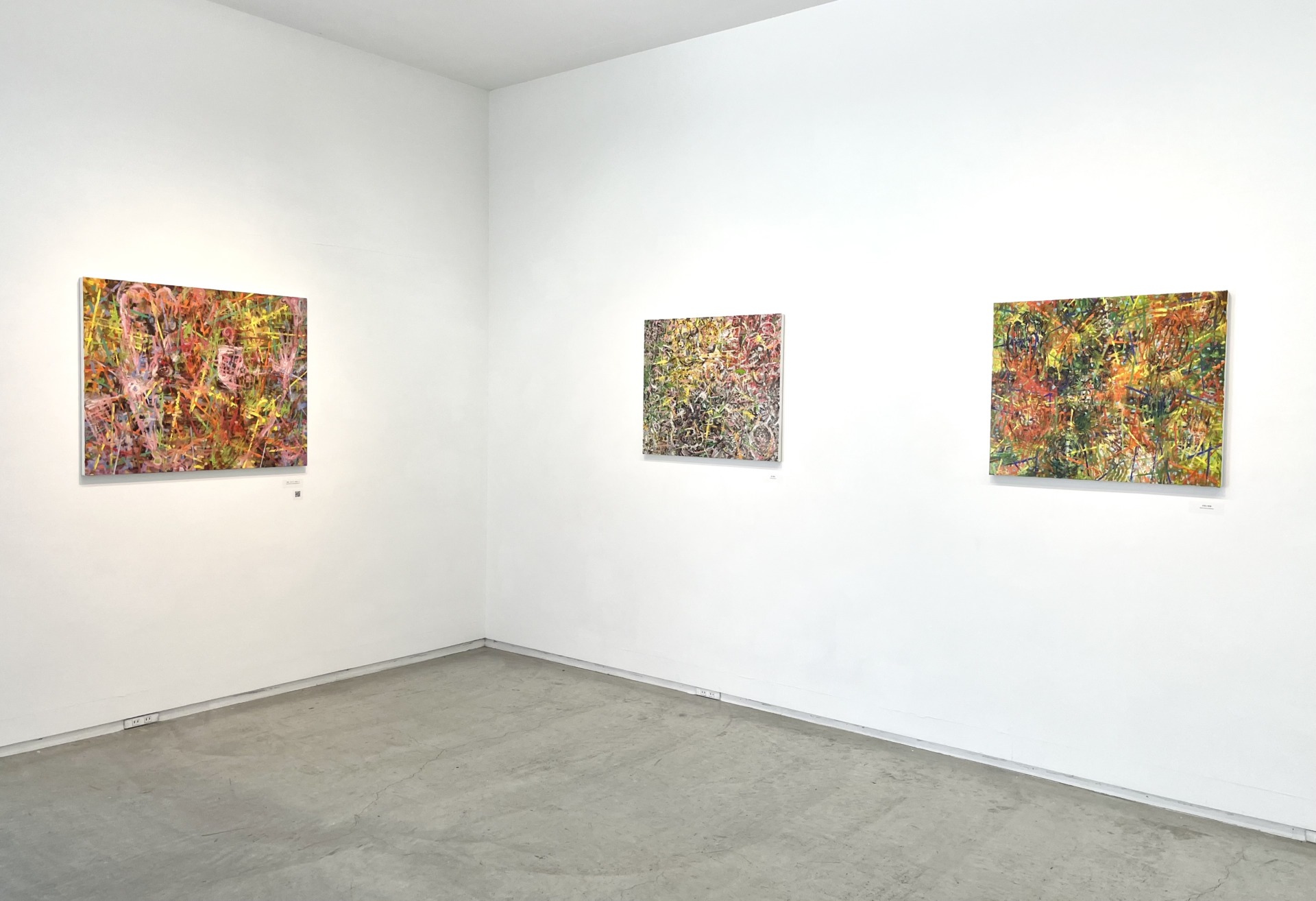
Installation view of “OVER PAINTING” at GALLERY MoMo, 2026
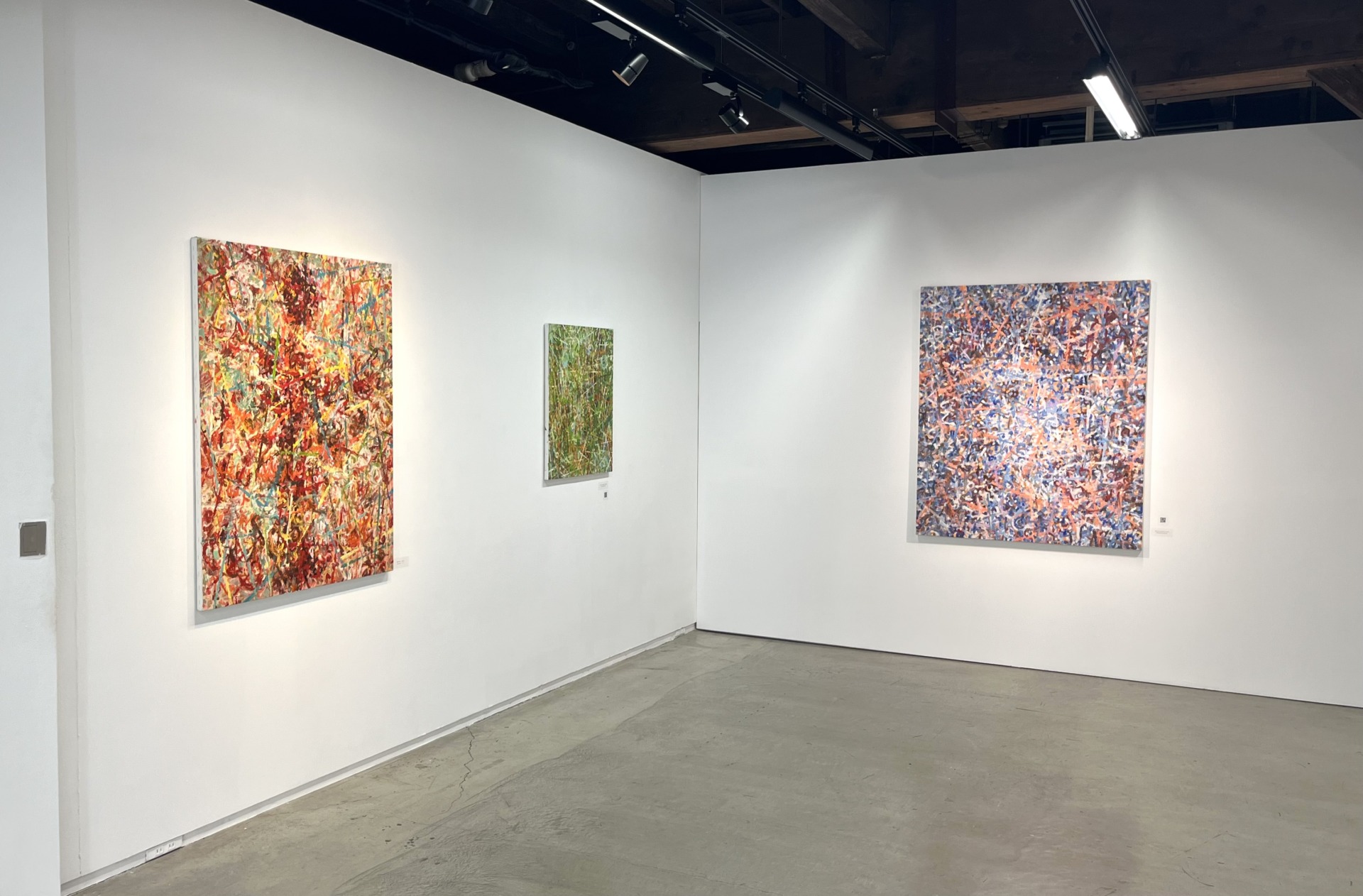
Installation view of “OVER PAINTING” at GALLERY MoMo, 2026
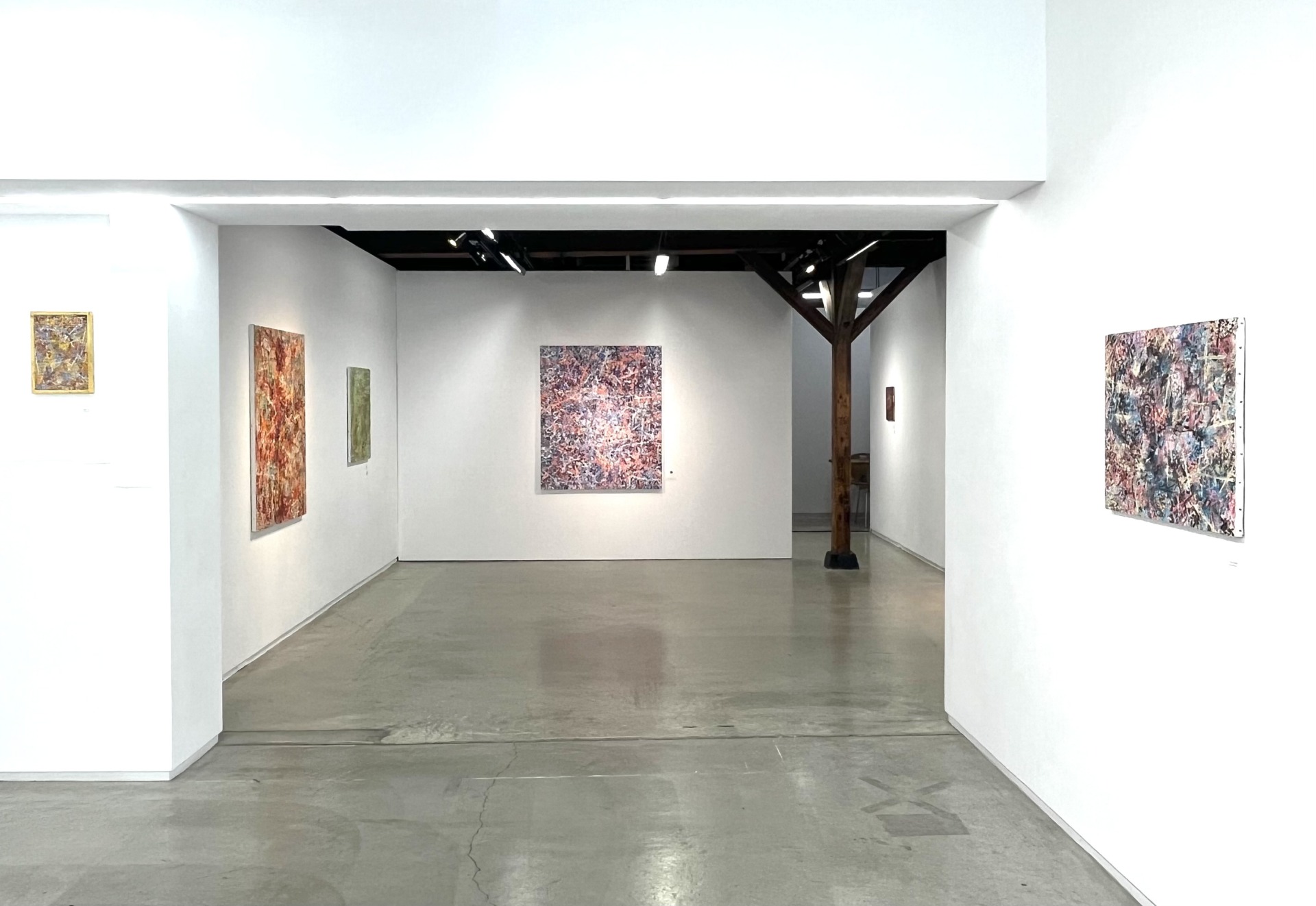
Installation view of “OVER PAINTING” at GALLERY MoMo, 2026
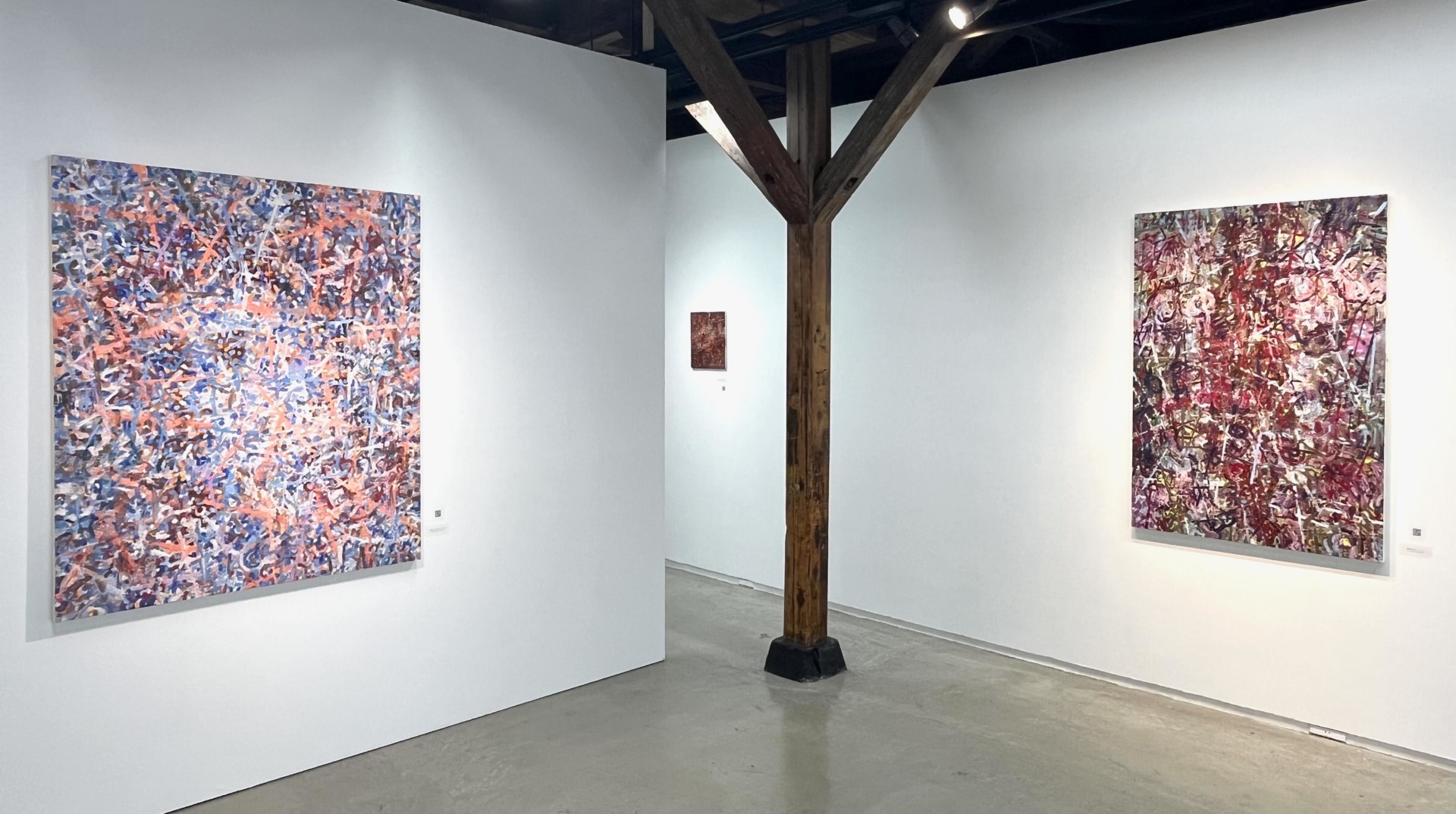
Installation view of “OVER PAINTING” at GALLERY MoMo, 2026
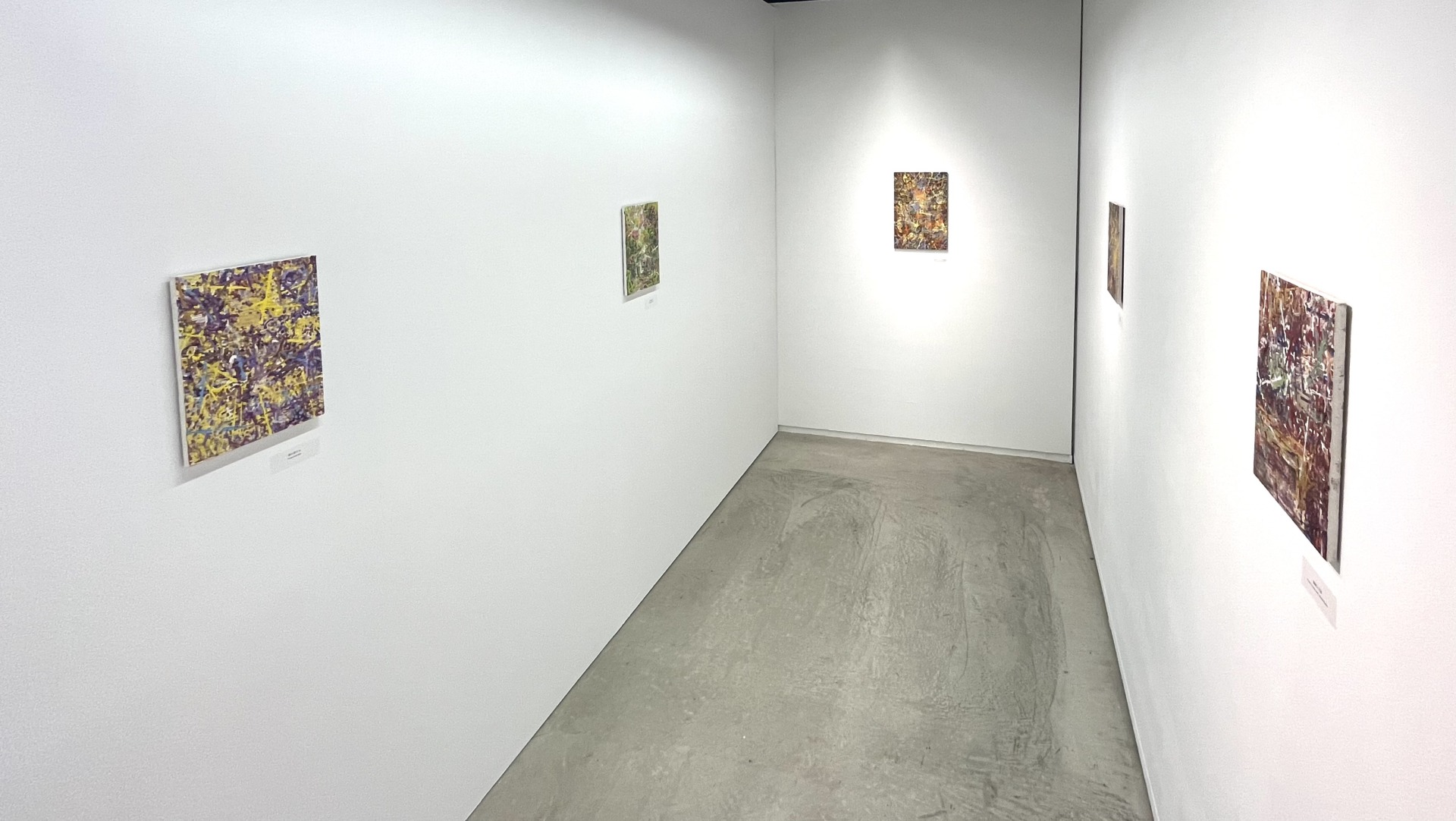
Installation view of “OVER PAINTING” at GALLERY MoMo, 2026
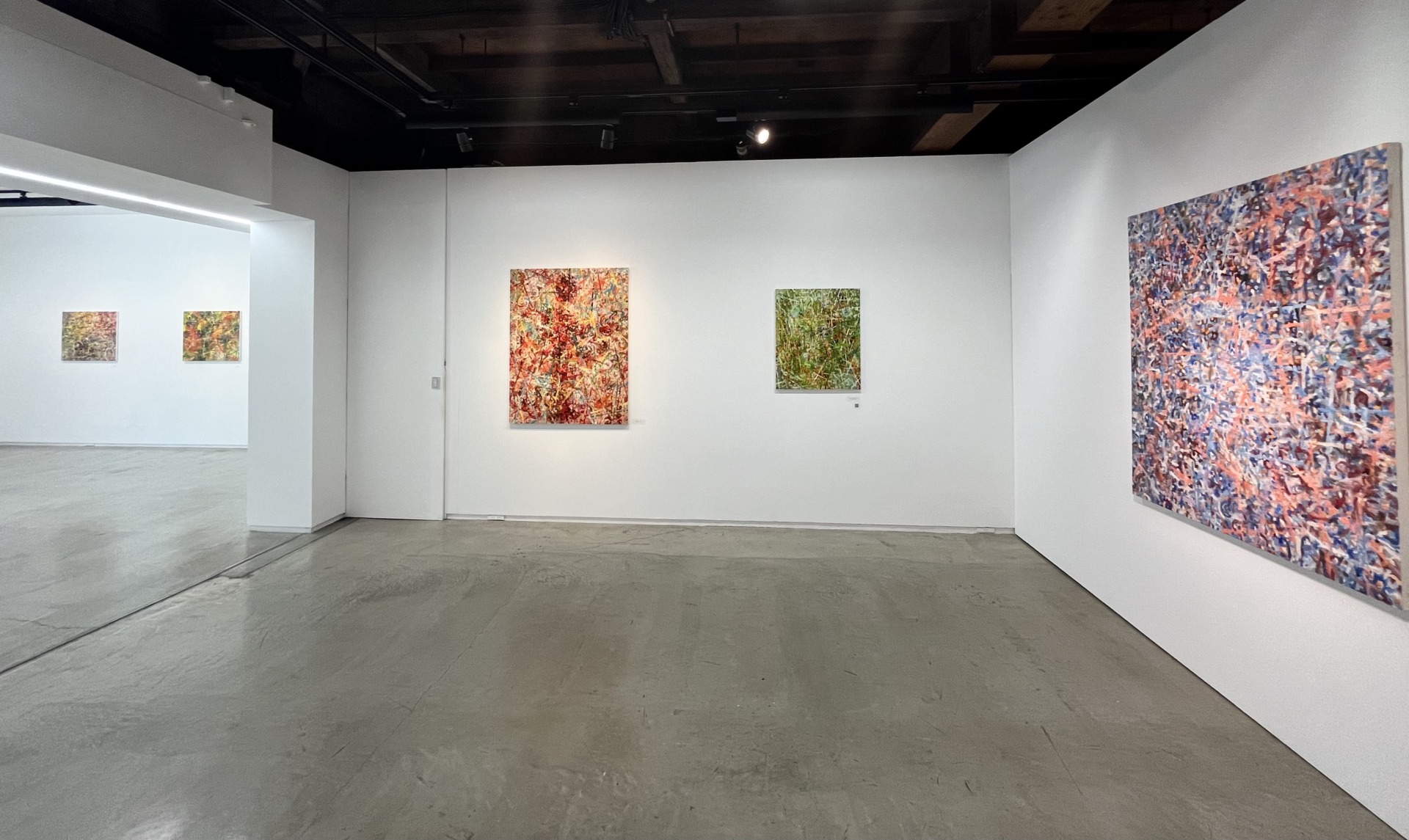
Installation view of “OVER PAINTING” at GALLERY MoMo, 2026