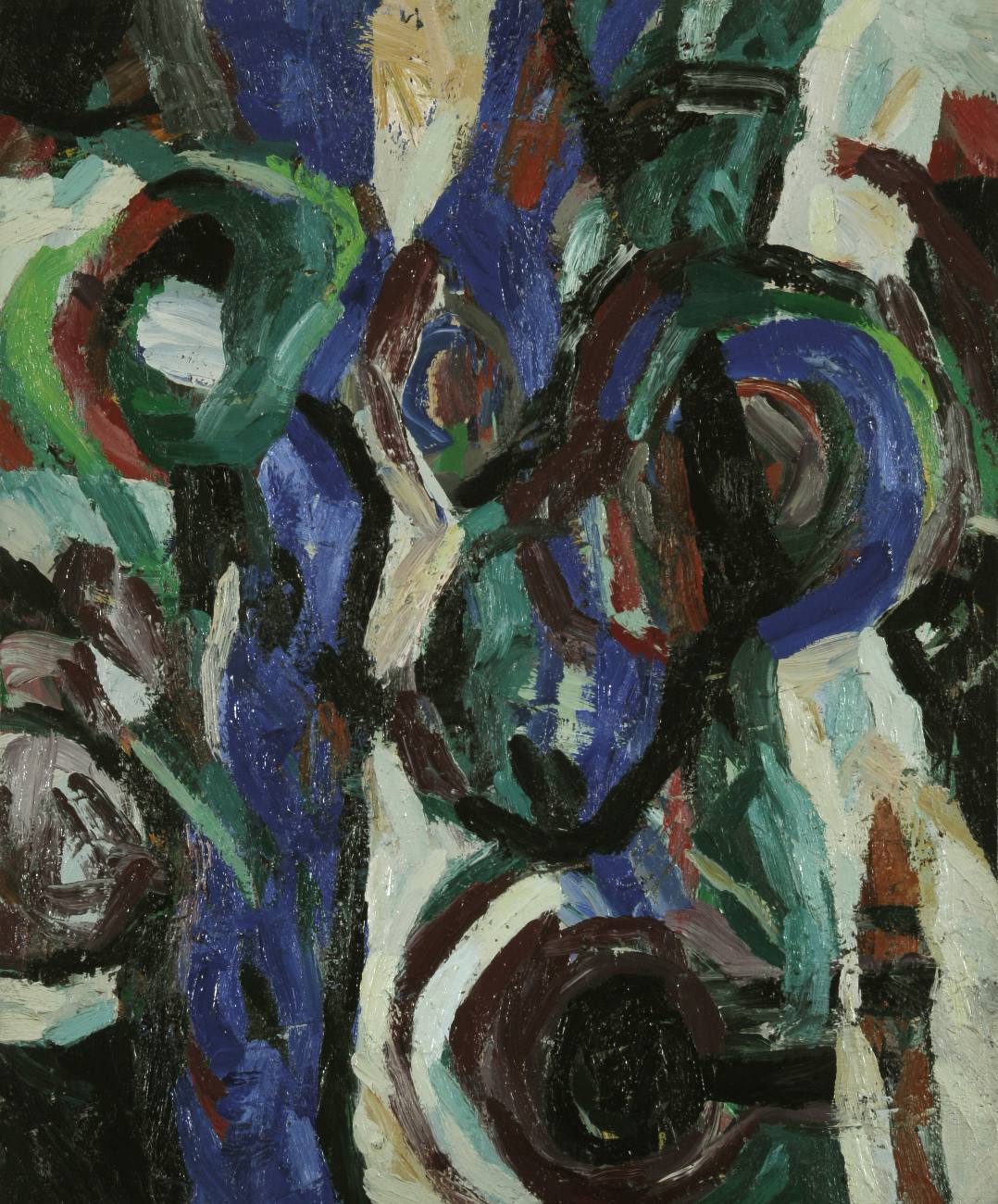
Painting
絵画と形式
1980年代に長沢が直面したのは絵画の形式だった。絵画には四角い画面があり、その表面に絵具が塗られて成立するもので、その形式を無視して自由な展開はあり得なかった。もちろん、絵画であるからそこに何らかのイリュージョンが発生するが、形式の洗礼はそうした展開を許さないほど強固なものがあった。こうした矛盾を最もよく示しているのが80年代初頭に制作した切り絵のシリーズである。色紙は分割線によるシステムにそって貼られ、イメージを意図するものではないが、それでもある種のイリュージョンとイメージが発生してしまう。その矛盾が絵画の出発点になった。
Painting & Formalism
What Nagasawa confronted in the 1980s was the very formalism of painting. A painting is established inherently by a square surface upon which paint is applied; no free evolution could exist by ignoring this structural form. Naturally, because it is a painting, some kind of illusion inevitably arises, yet the baptism of formalism was so rigid that it initially seemed to forbid such developments. This contradiction is most vividly demonstrated in his cut-paper (kiri-e) series from the early 1980s. Colored papers were pasted according to a system governed by dividing lines, with no intention of creating a specific image—and yet, a certain illusion and image emerged regardless. It was precisely this contradiction that became the point of departure for his painting.

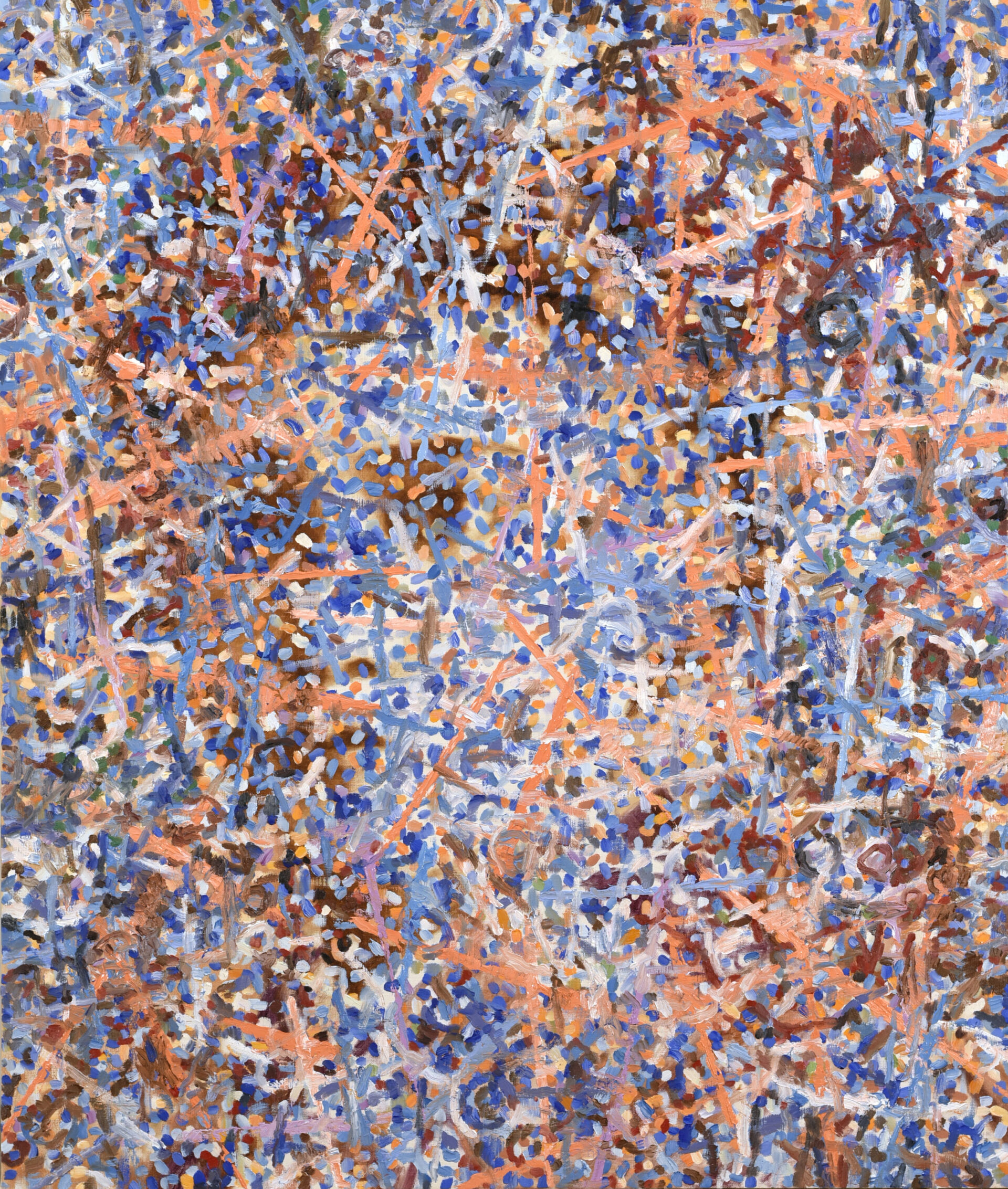
Over painting – 2026
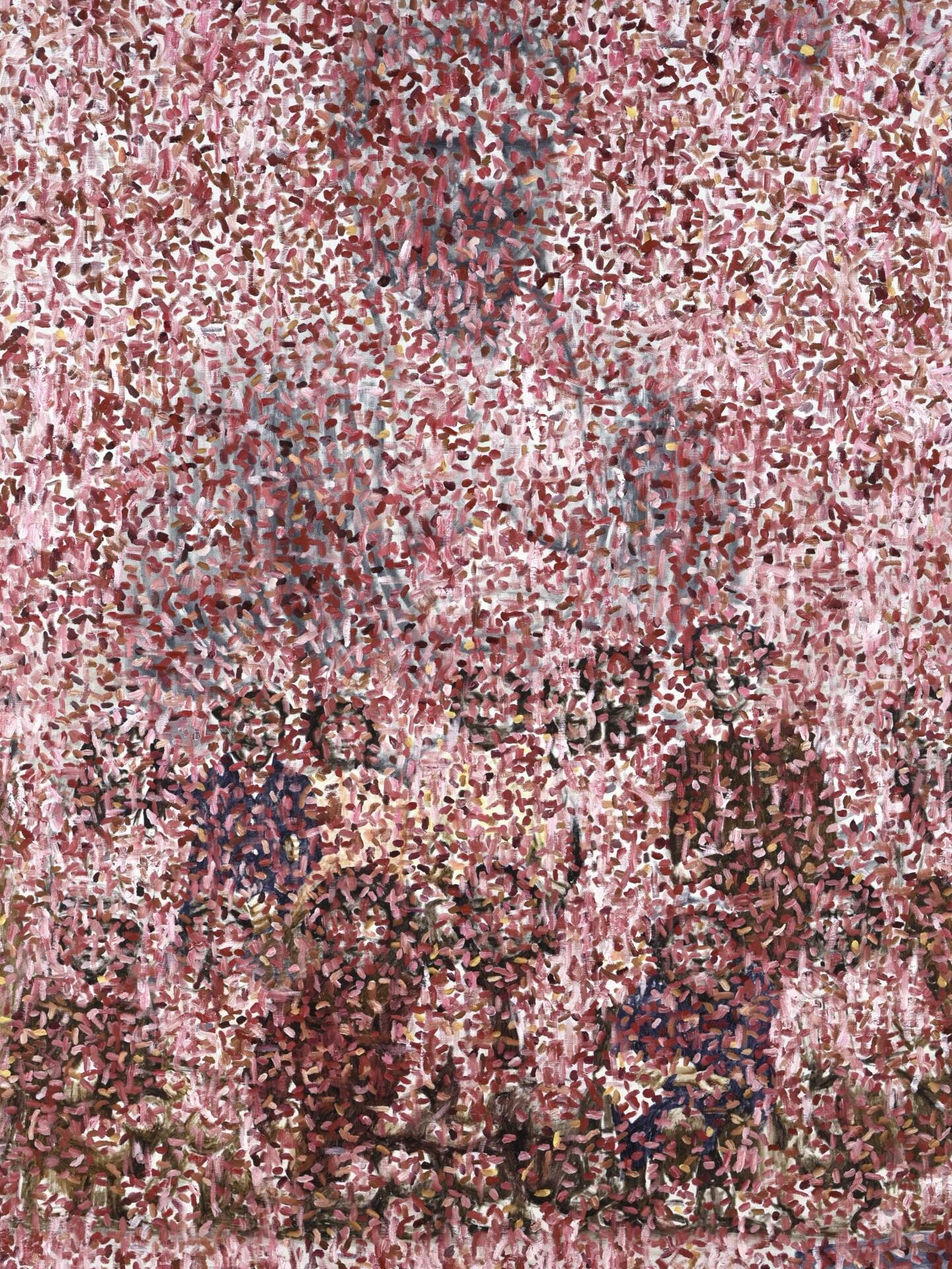
Ghosts of the Future – 2017
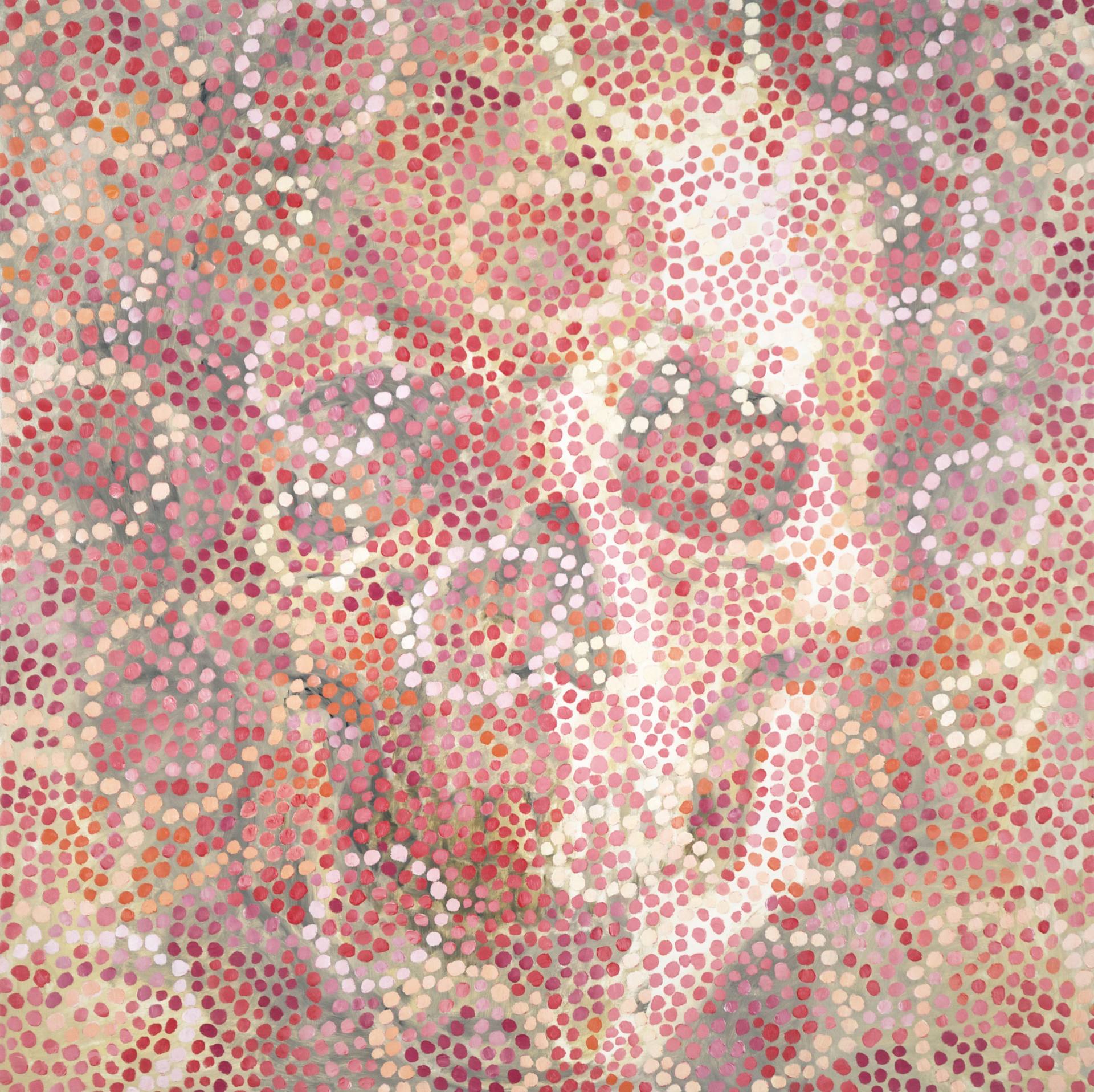
Surface & Depth – 2010s
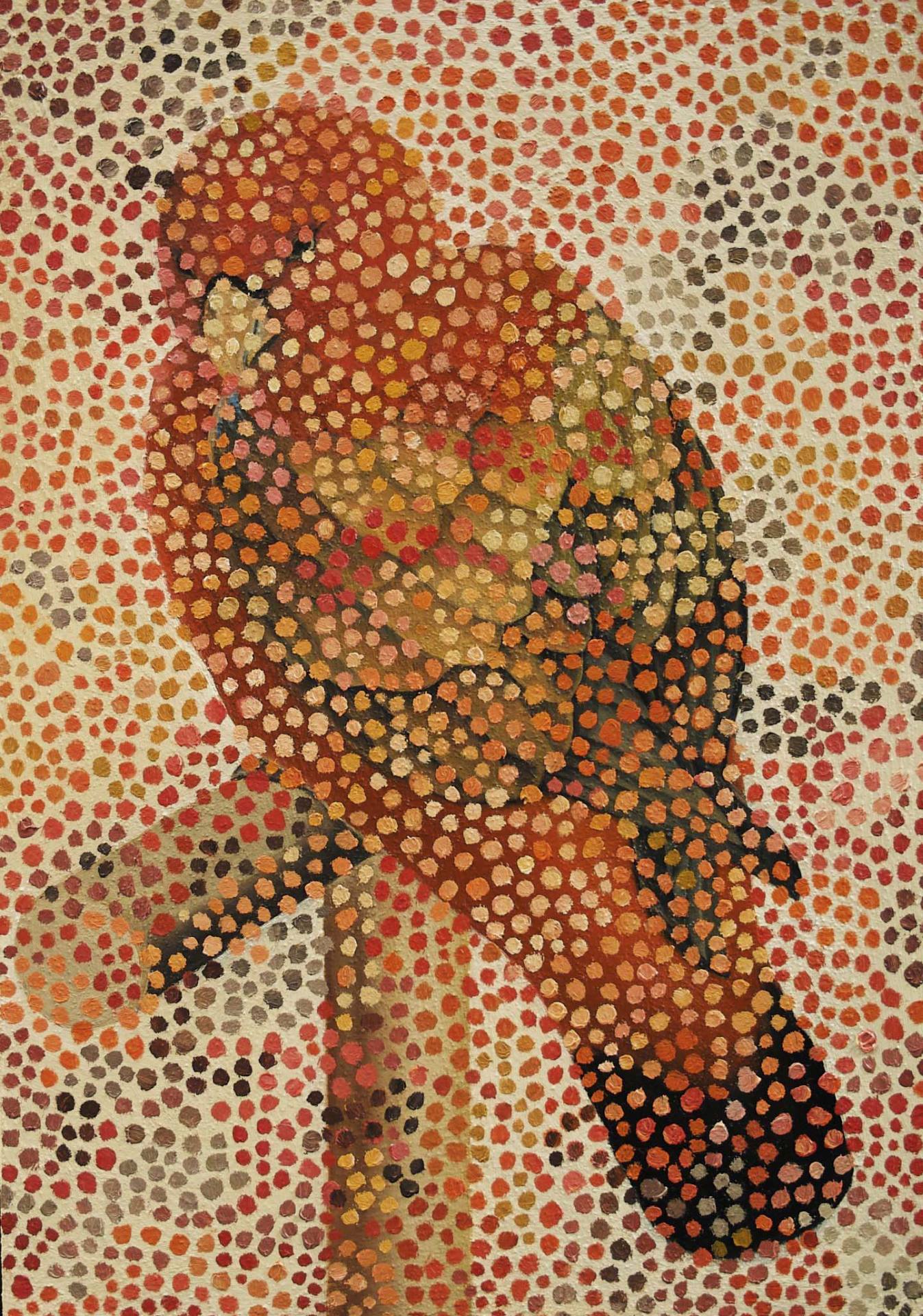
Painting on Painting – 2012
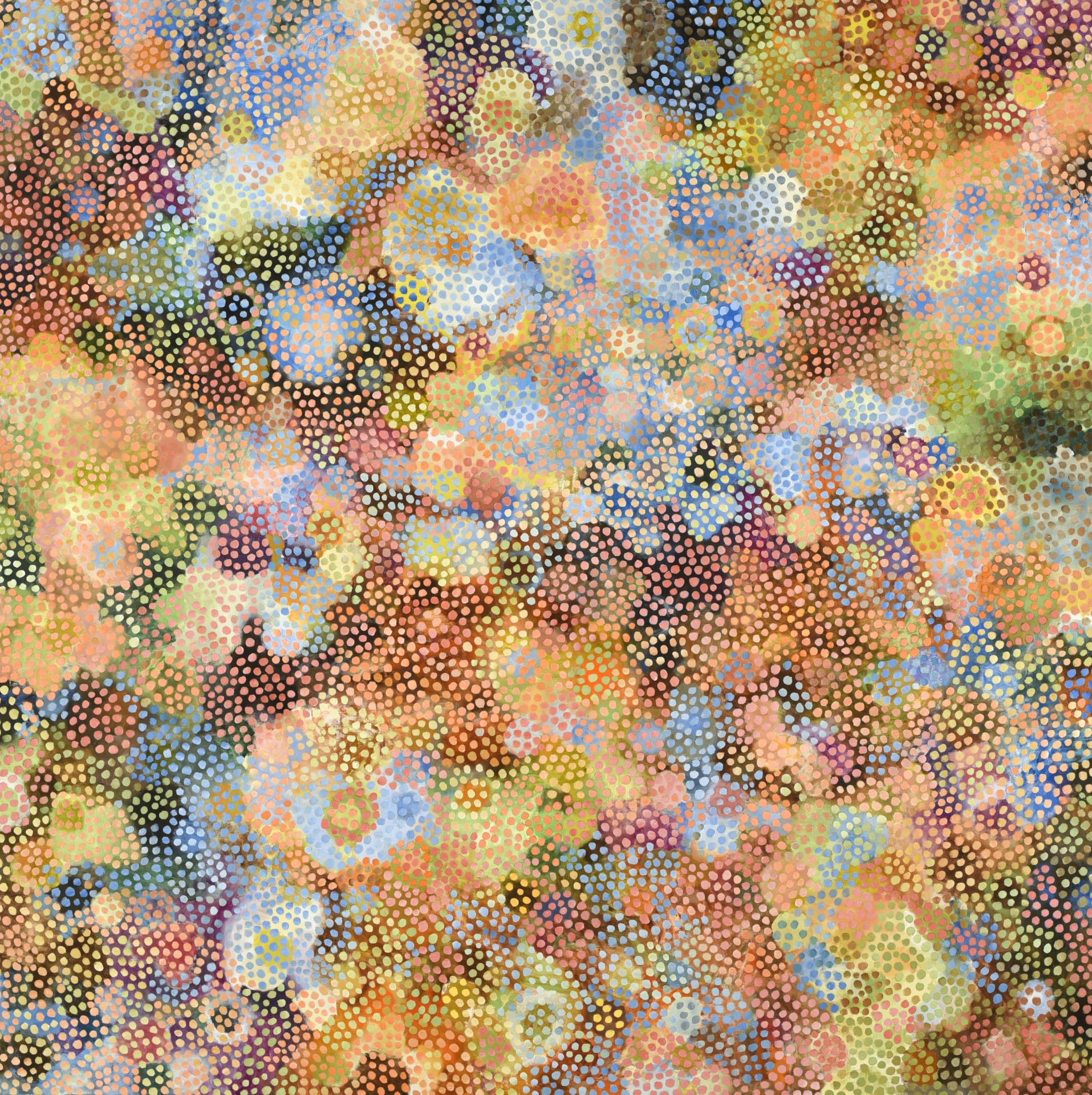
Membrane 2000s – 2010s

Large & Small, Megamiru – 2000s <Eyes see>
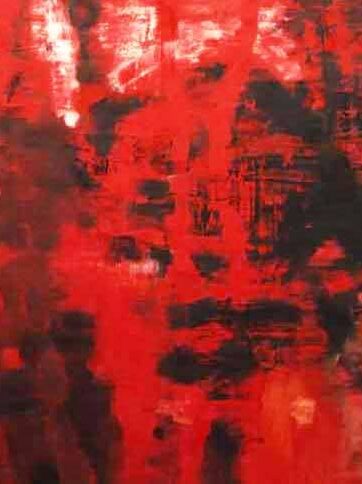
Landscape, The Art of Seeing – 90s
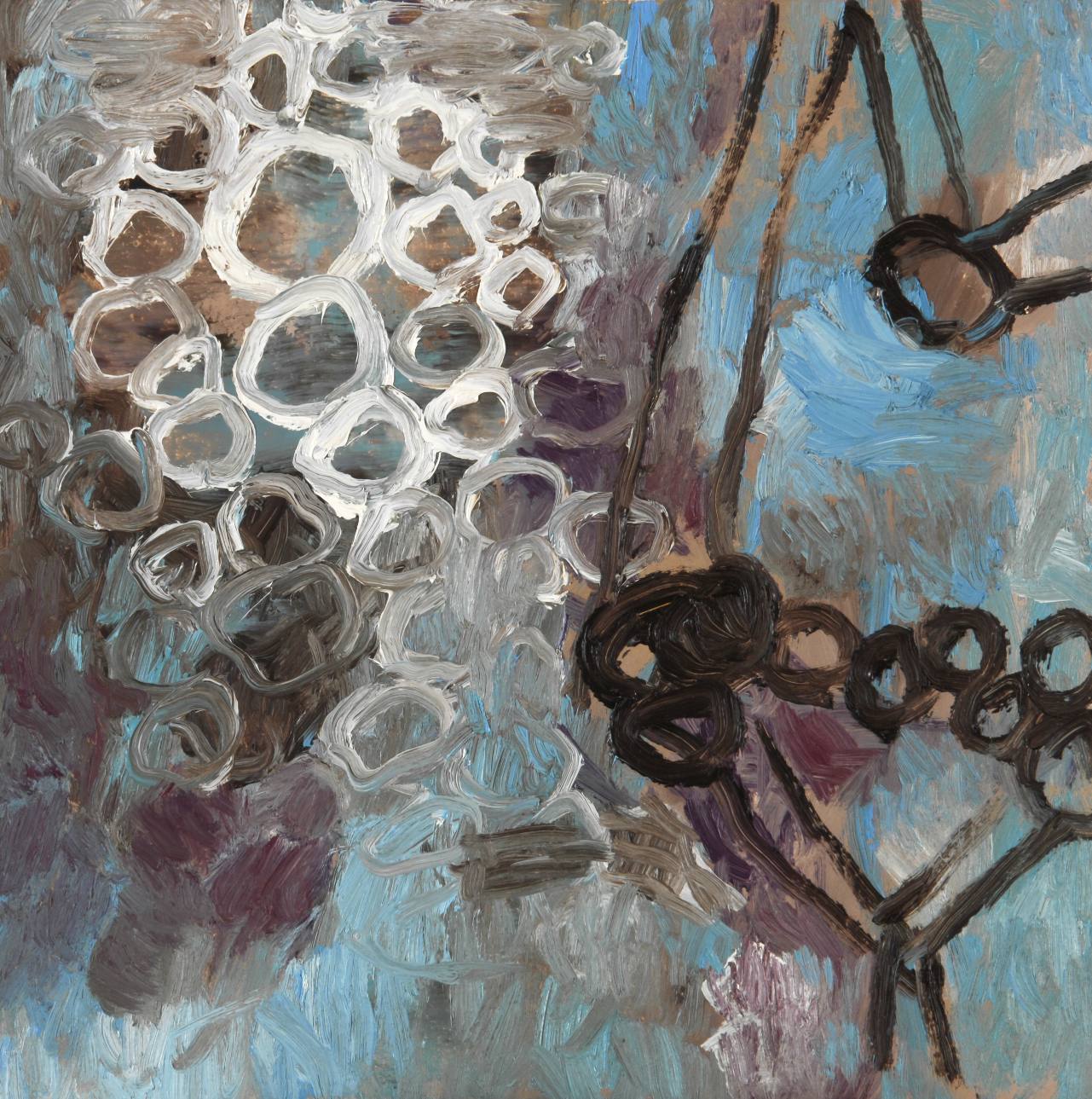
Small paintings 80s – 90s