Painting & Landscape — 80s
<絵画と風景> 80年代
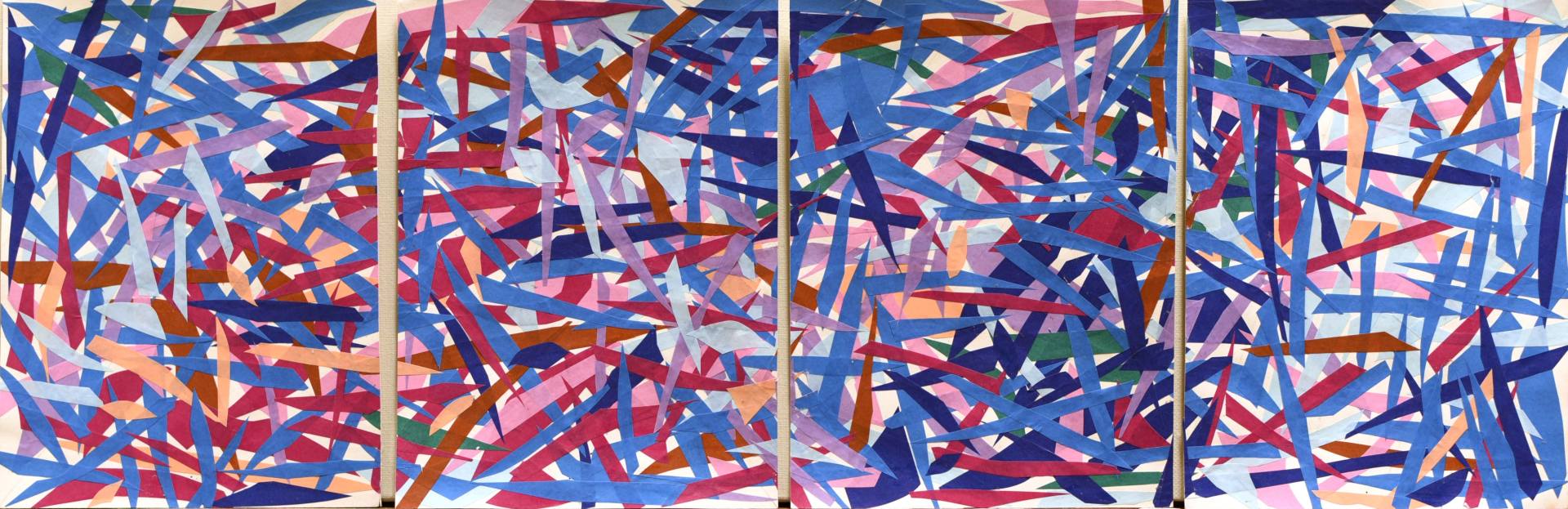
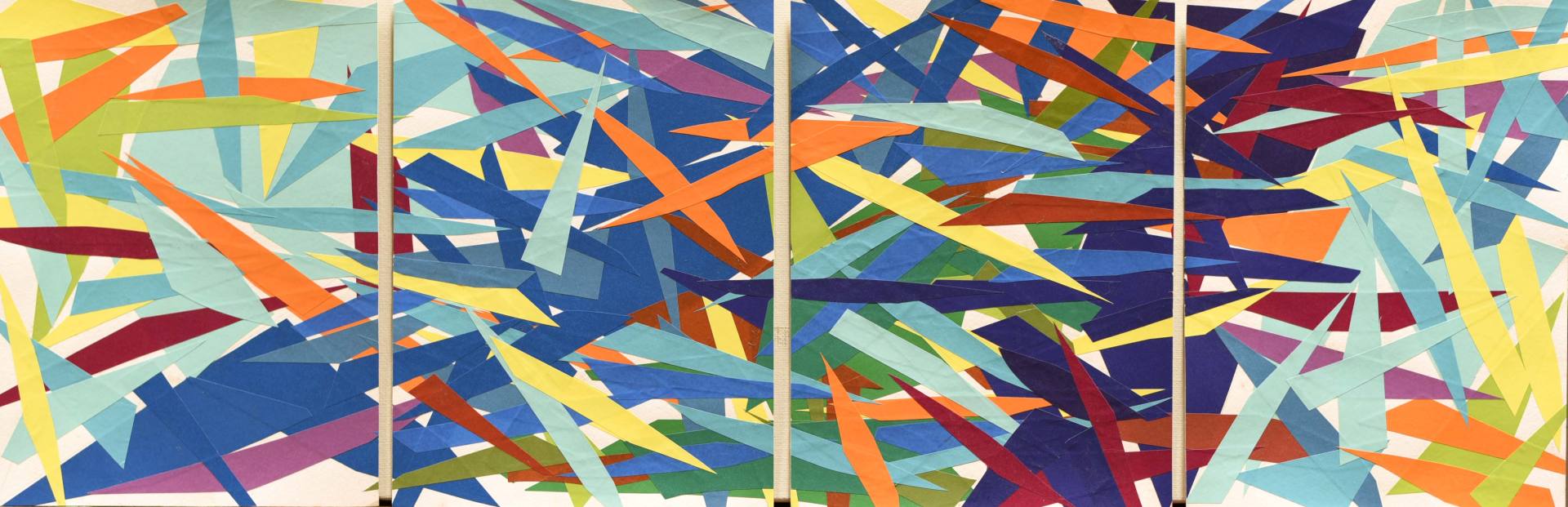
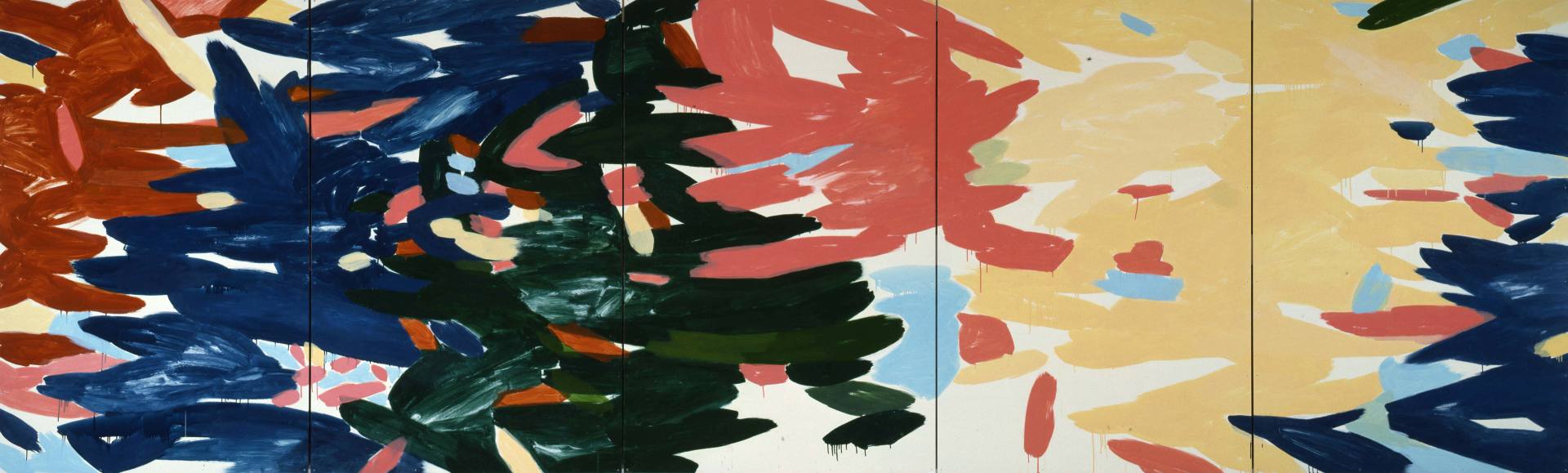
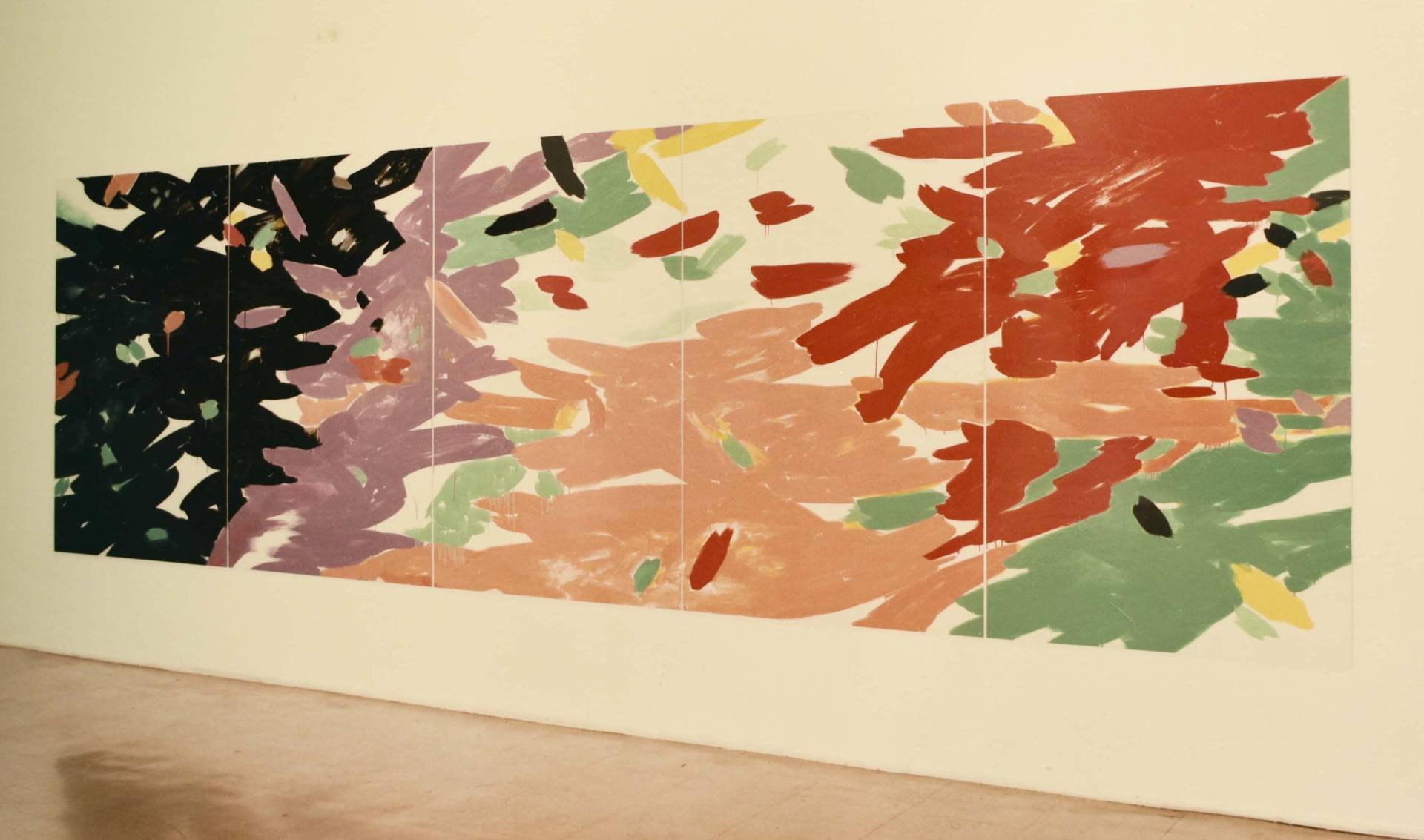
4分割の長方形台紙に小さく切った色紙を貼付けていく−ただし長方形の対角線や中点と中点を結ぶ線分によって分割された面に、それぞれ主な色を置く−これが切り絵制作のルールであり、それは以後展開するエナメルペインティングにも踏襲された。しかしシステムが崩れ出し、イメージがどうしても出てきてしまう。そのイメージとは絵の根本を支える“Iconic”なものであるが日本の絵は“自然”からの形象で成り立っている。ここから「風景」シリーズが生まれた。風景シリーズの「風景」とは風景画の風景ではない。
「…その「風景」は掘り出したばかりの原石のようで異物で、しかもざらつき、ただ内側で光っている。そして人は、ここでいまだ人となりえないのだ。」—終局へのまなざし−3、(本江邦夫)「海燕」第3号から
Painting & Landscape — 80s
Pasting small pieces of colored paper onto a rectangular mount divided into four sections—specifically, placing dominant colors within planes divided by diagonals or segments connecting midpoints. This was the foundational rule of the cut-paper works, a methodology subsequently carried over into his enamel paintings. However, even when attempting to construct a painting through a strict system, an image would persistently manifest. This image is the “icon” (zo) that fundamentally sustains a painting, yet here in Japan, one is confronted with nothing but the overwhelming morphology of “Nature.” As a counter-concept to this enveloping “Nature,” Nagasawa conceived the notion of “Landscape” (fukei) as the core of his work, initiating it as a continuous series. The “Landscape” in this series does not refer to traditional landscape painting.
“…That ‘landscape’ is like a freshly unearthed gemstone; it is an alien substance, rough and coarse, yet glowing solely from within. And here, a human being cannot yet become a human being.” — A Gaze Toward the Finale–3, Kunio Motoe, from Kaien Vol. 3

切り絵1
切り絵2
「トリシマⅠ」
「ジュラ」
「ナイル」
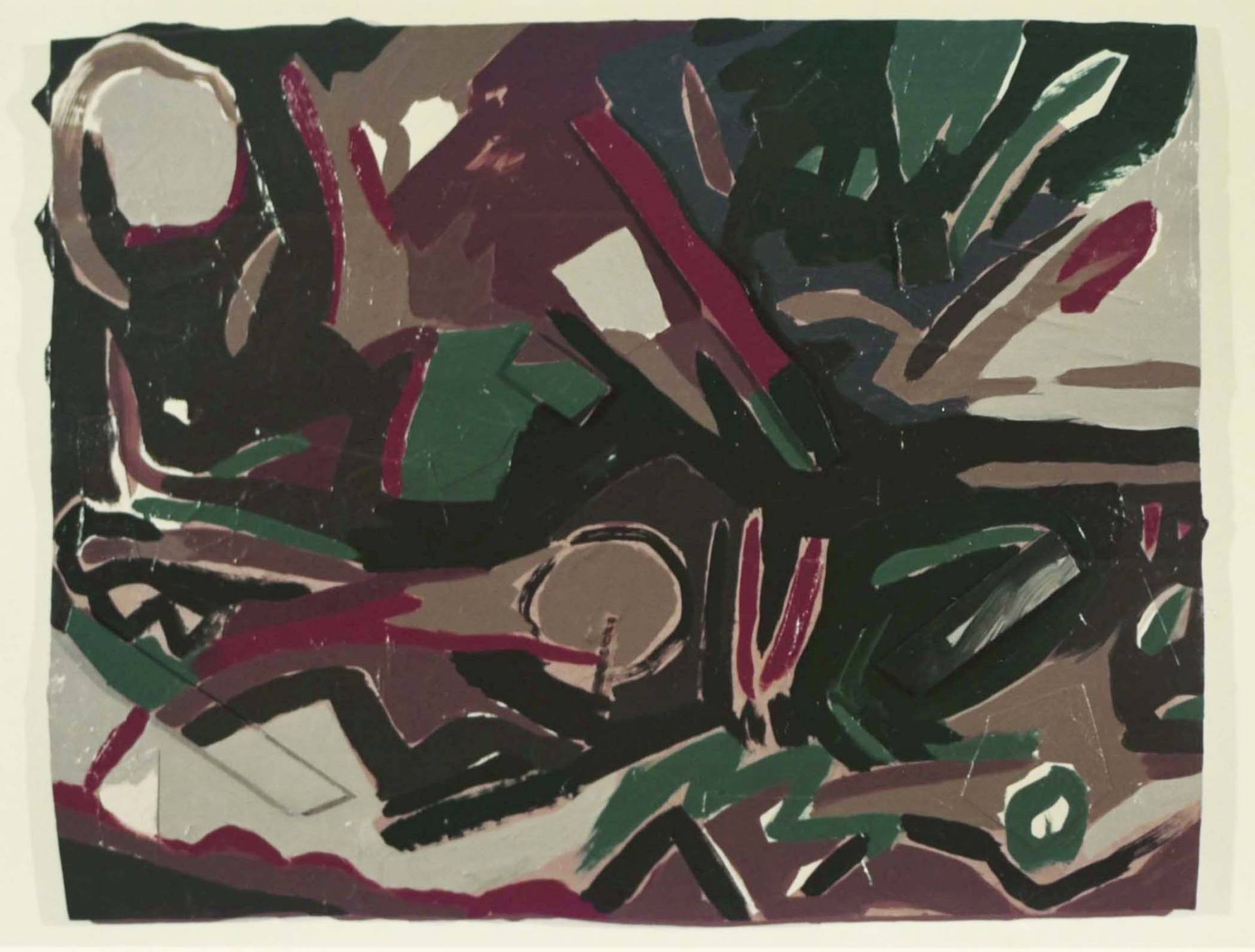
「面的-2」
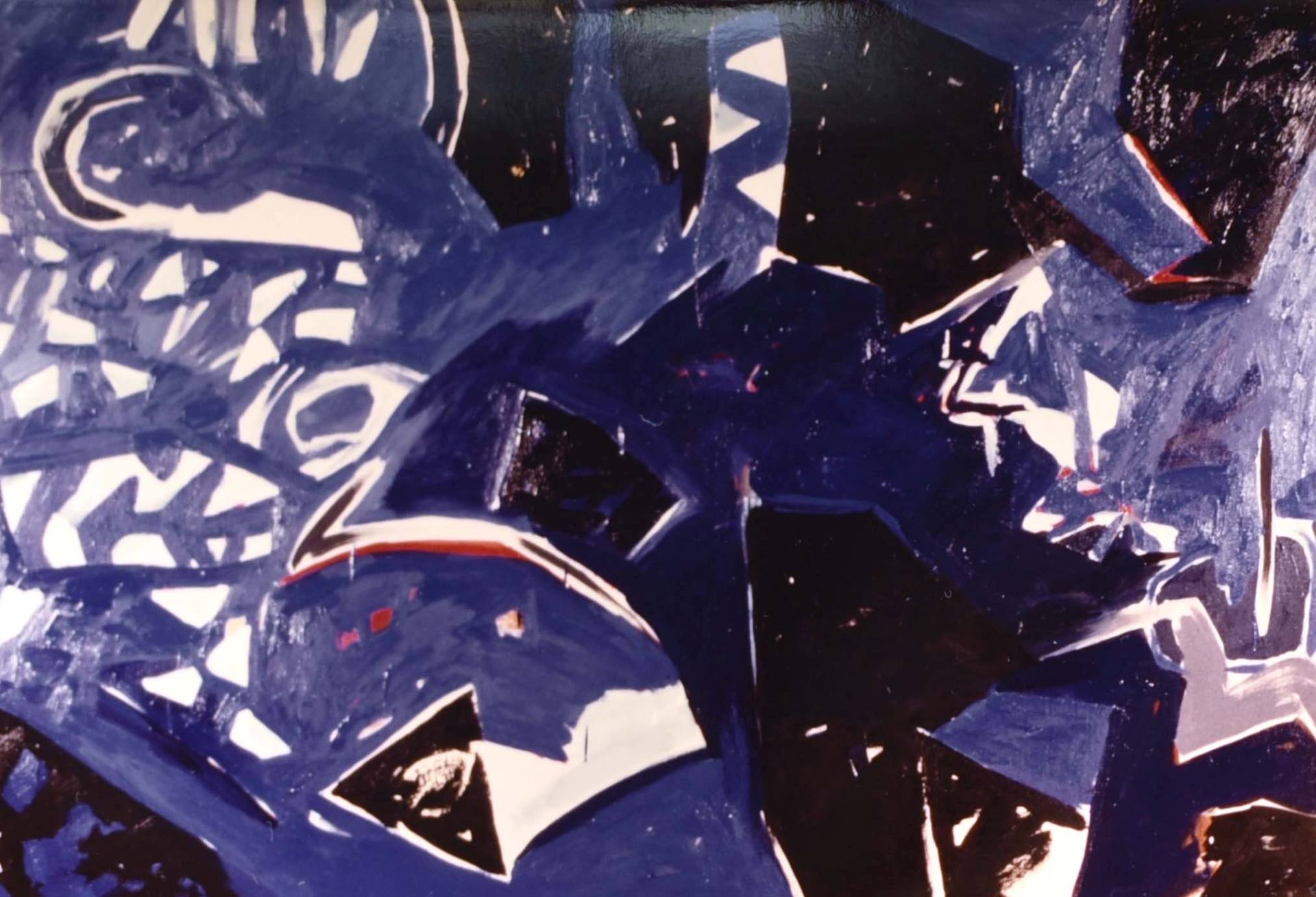
「面的-3」
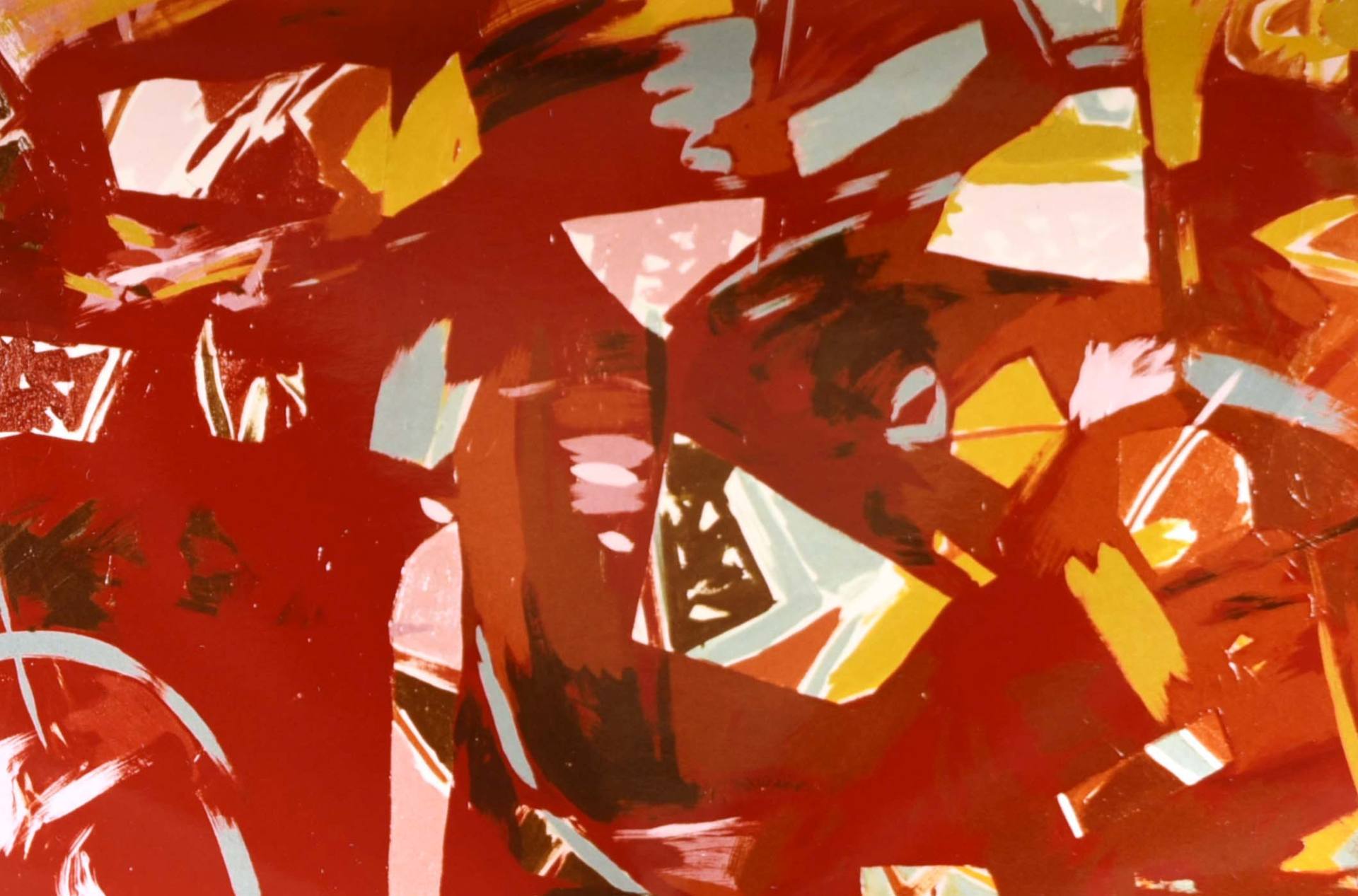
「線的-2」

「線的風景」
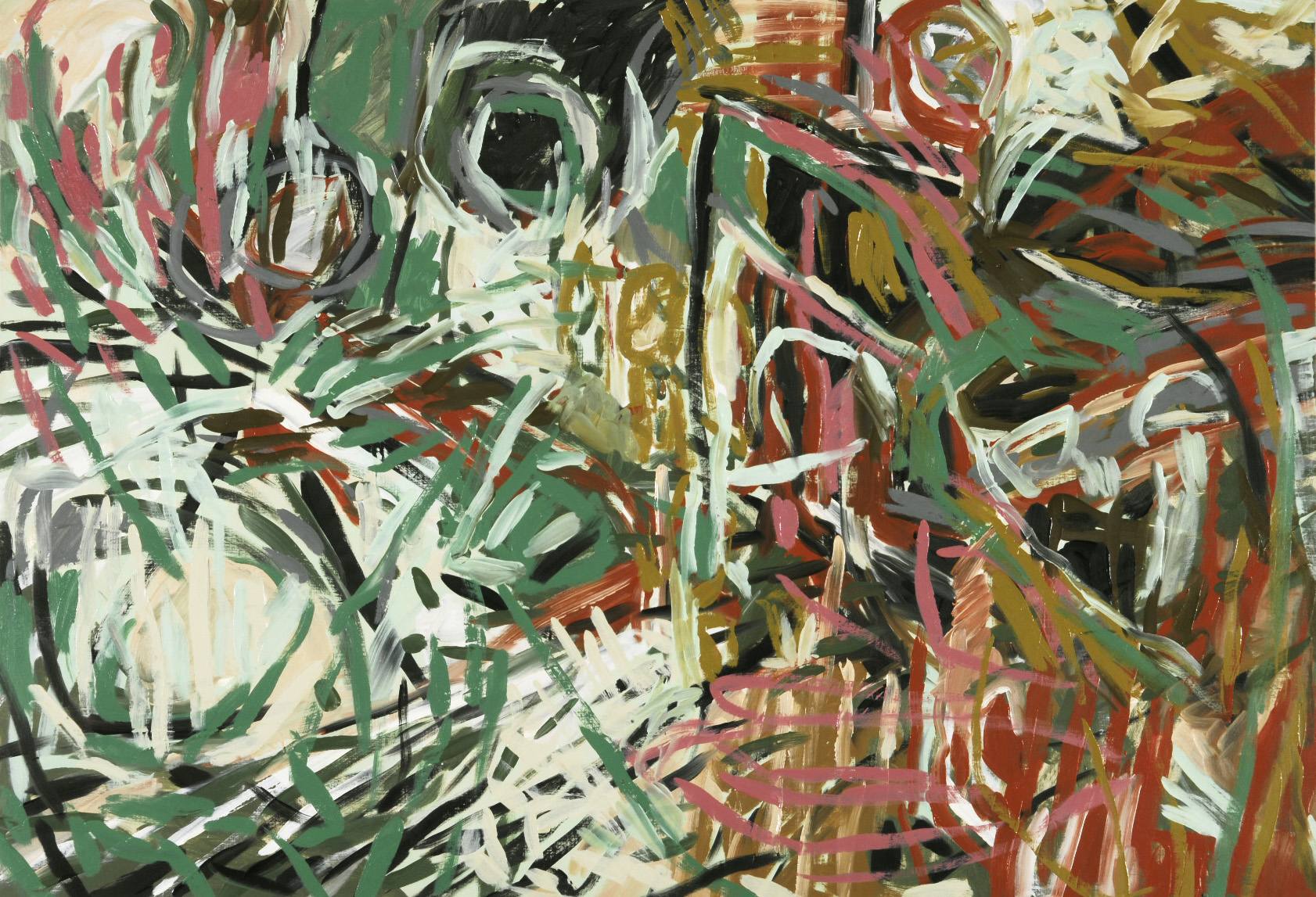
「カビリアⅠ」
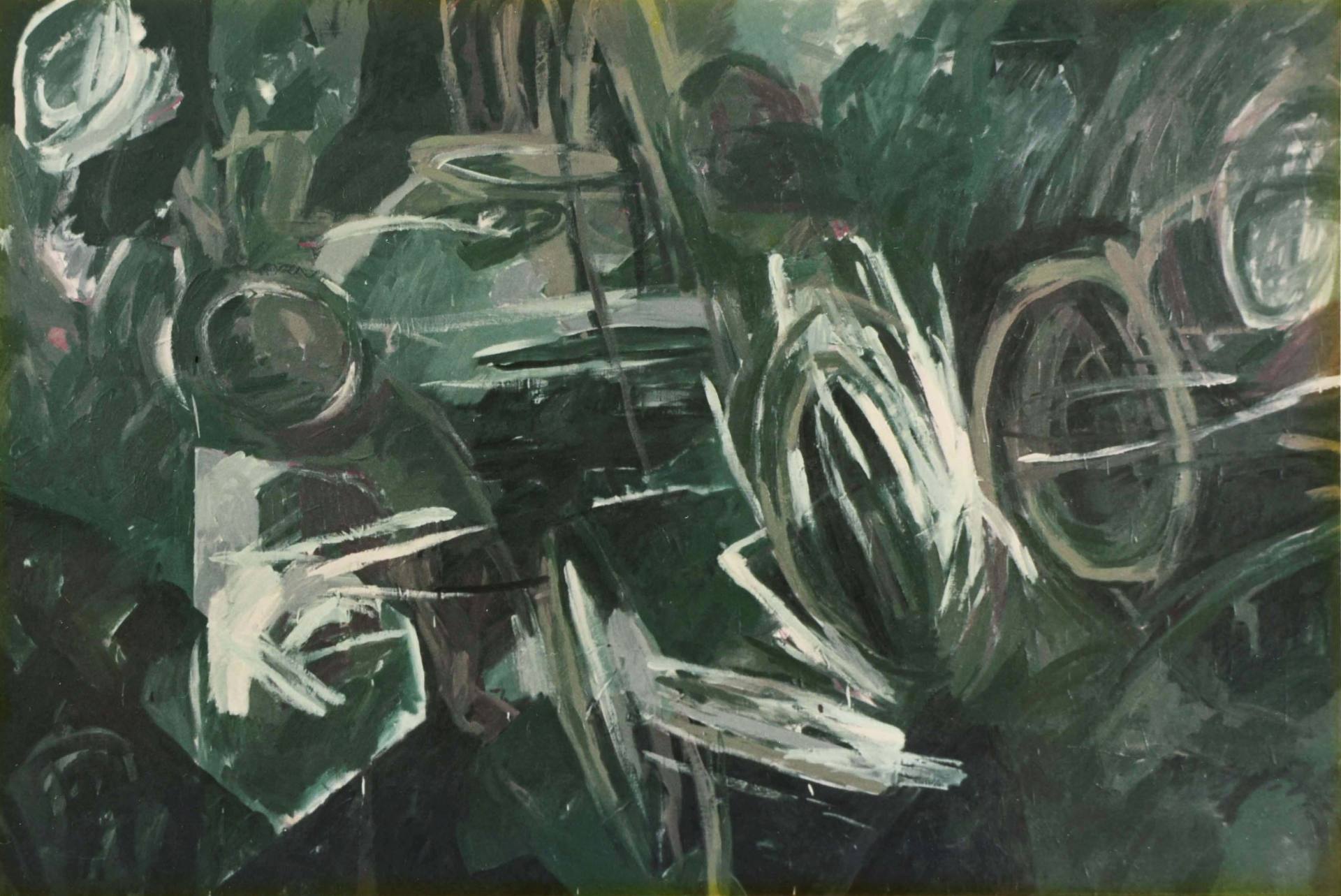
「森の操縦者Ⅱ」
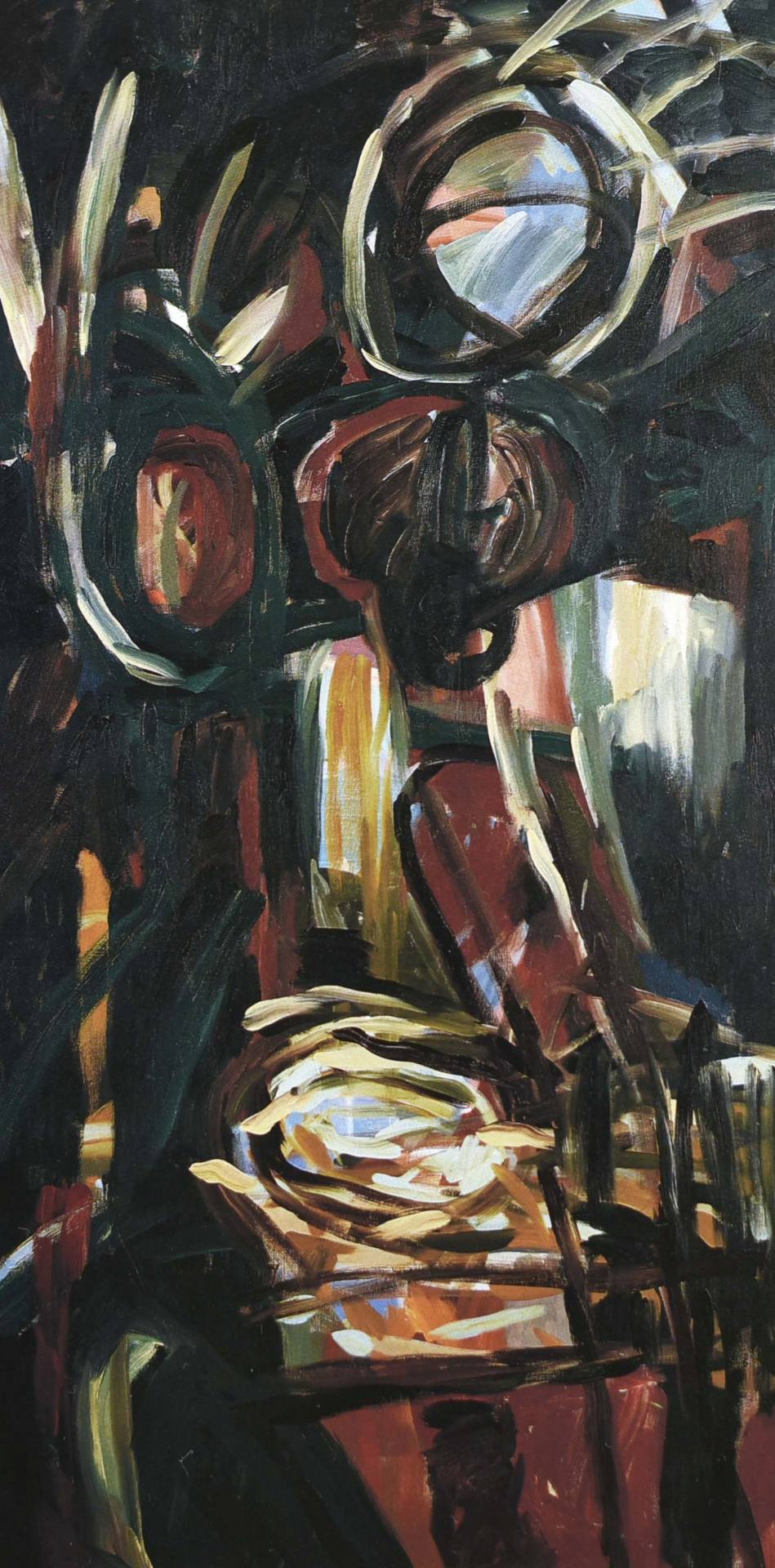
「さかさの人」

「無題」
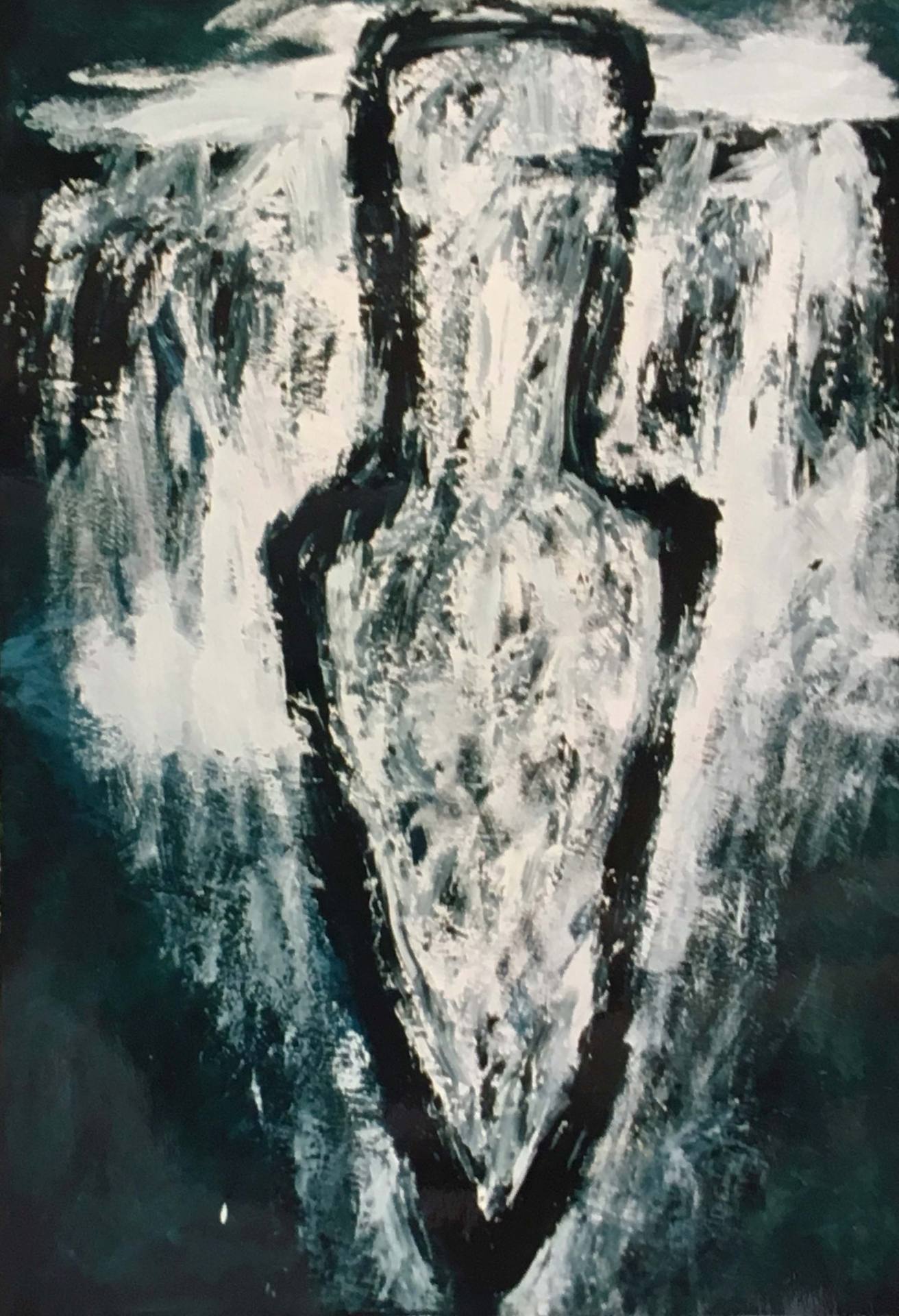
「無題」
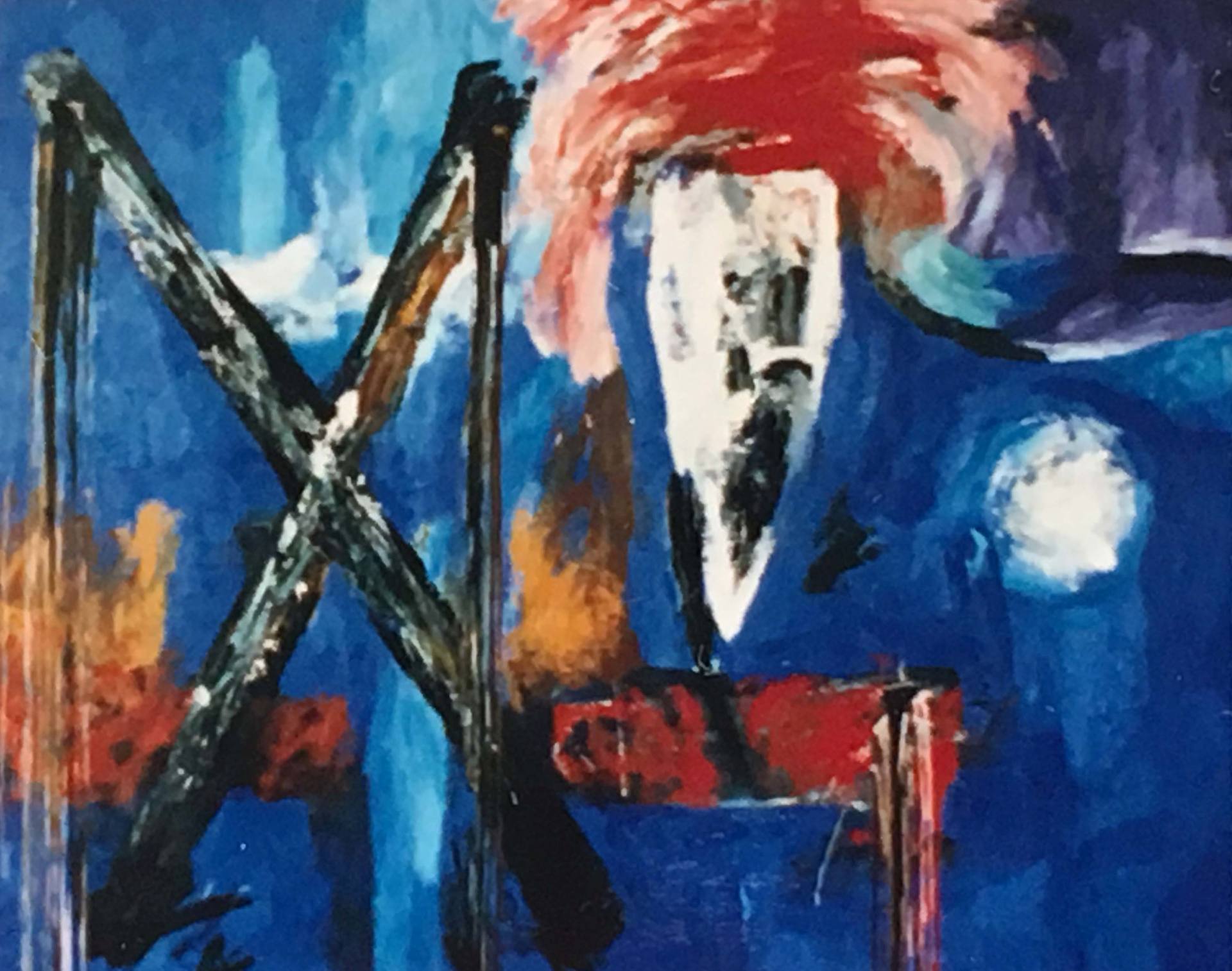
「無題」
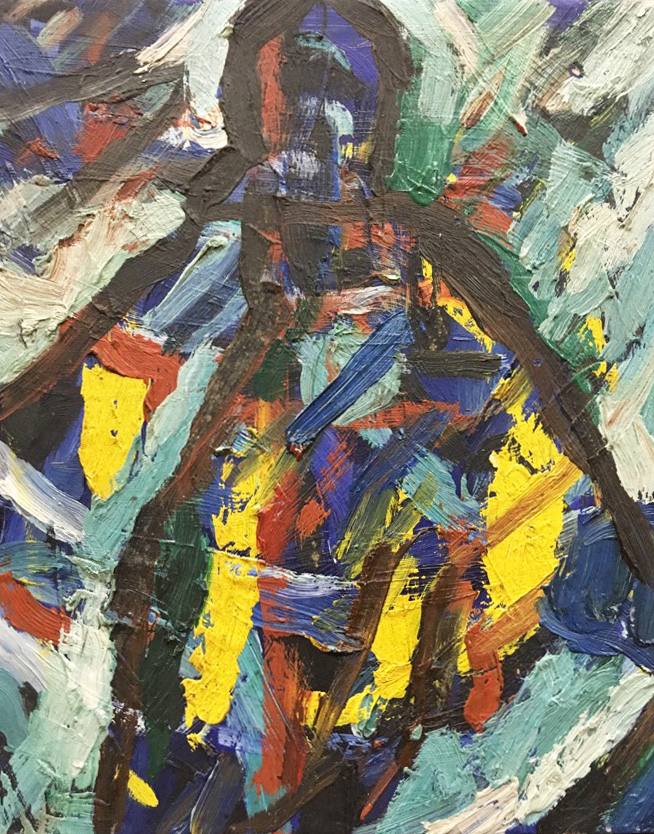
「顔Ⅰ」
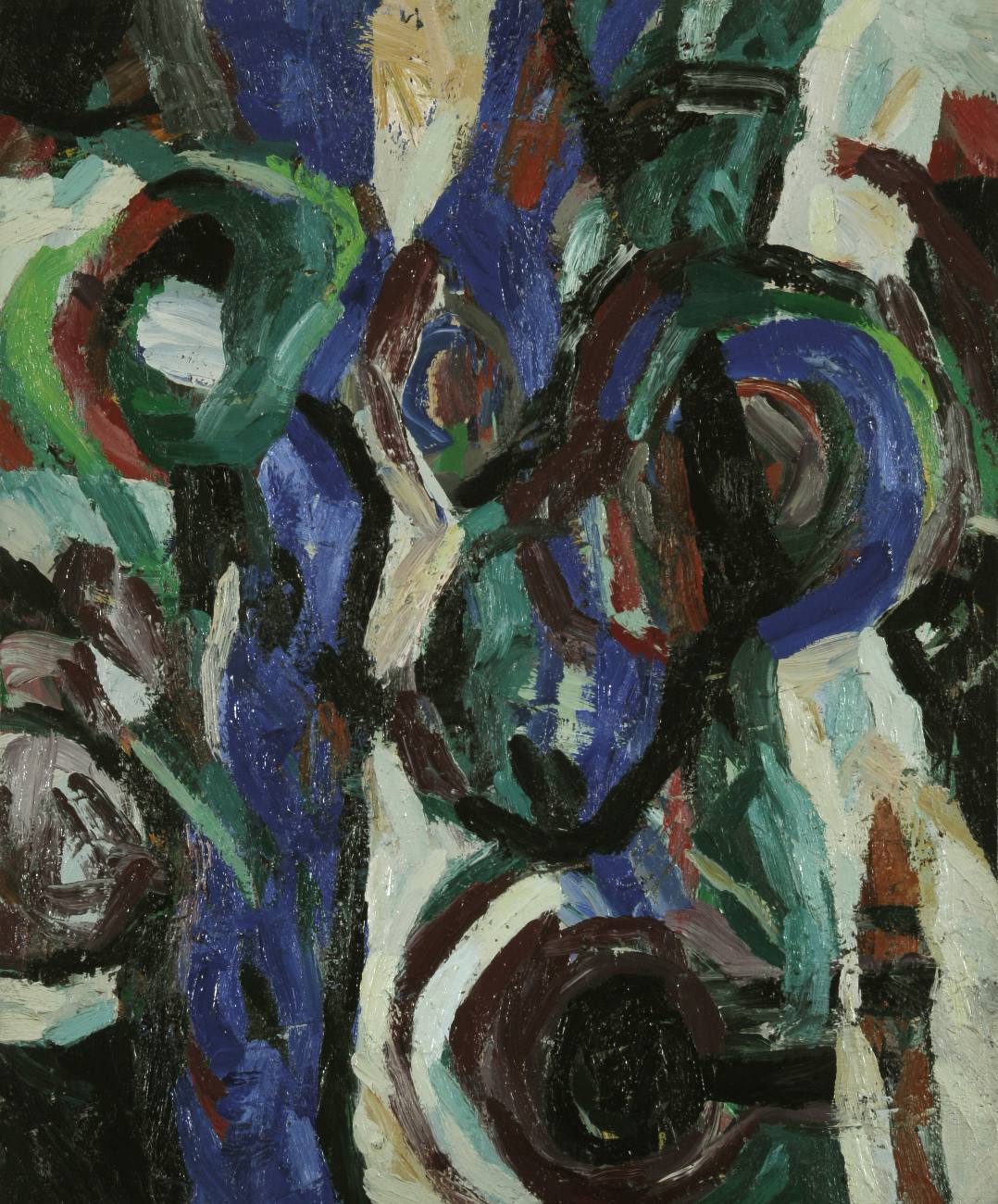
「顔Ⅱ」
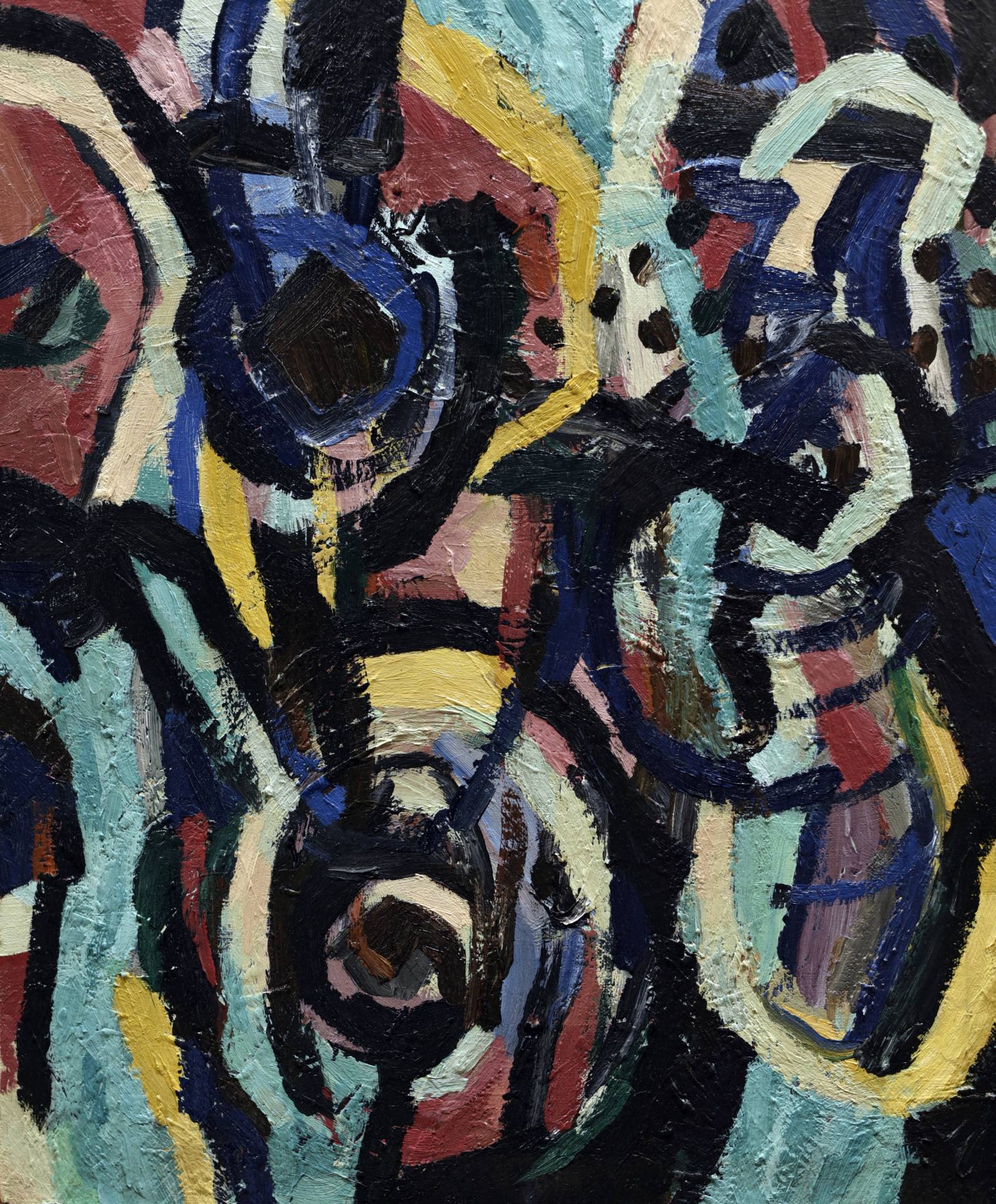
「帰還」
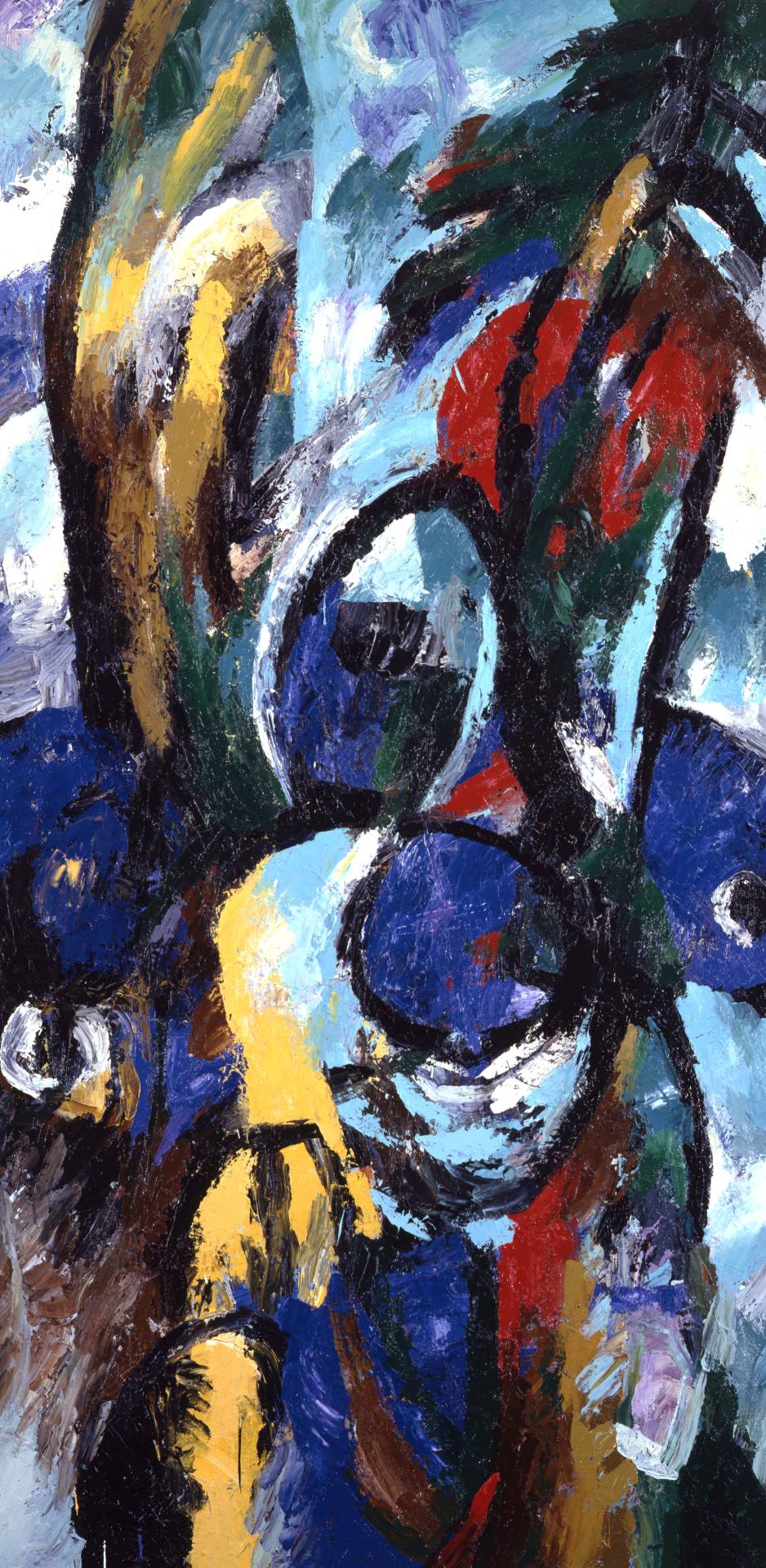
「鼓動」
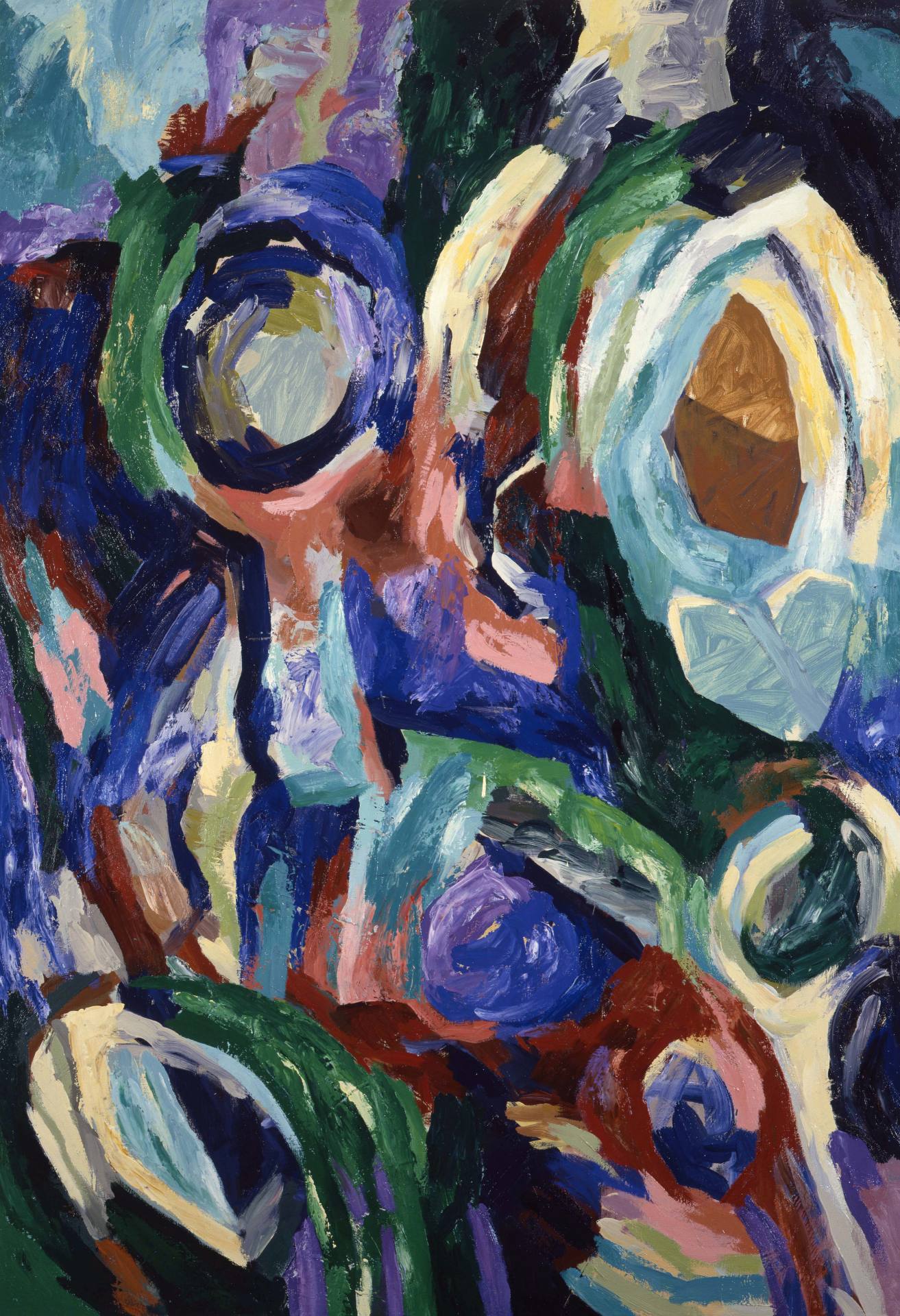
「Mad Night」
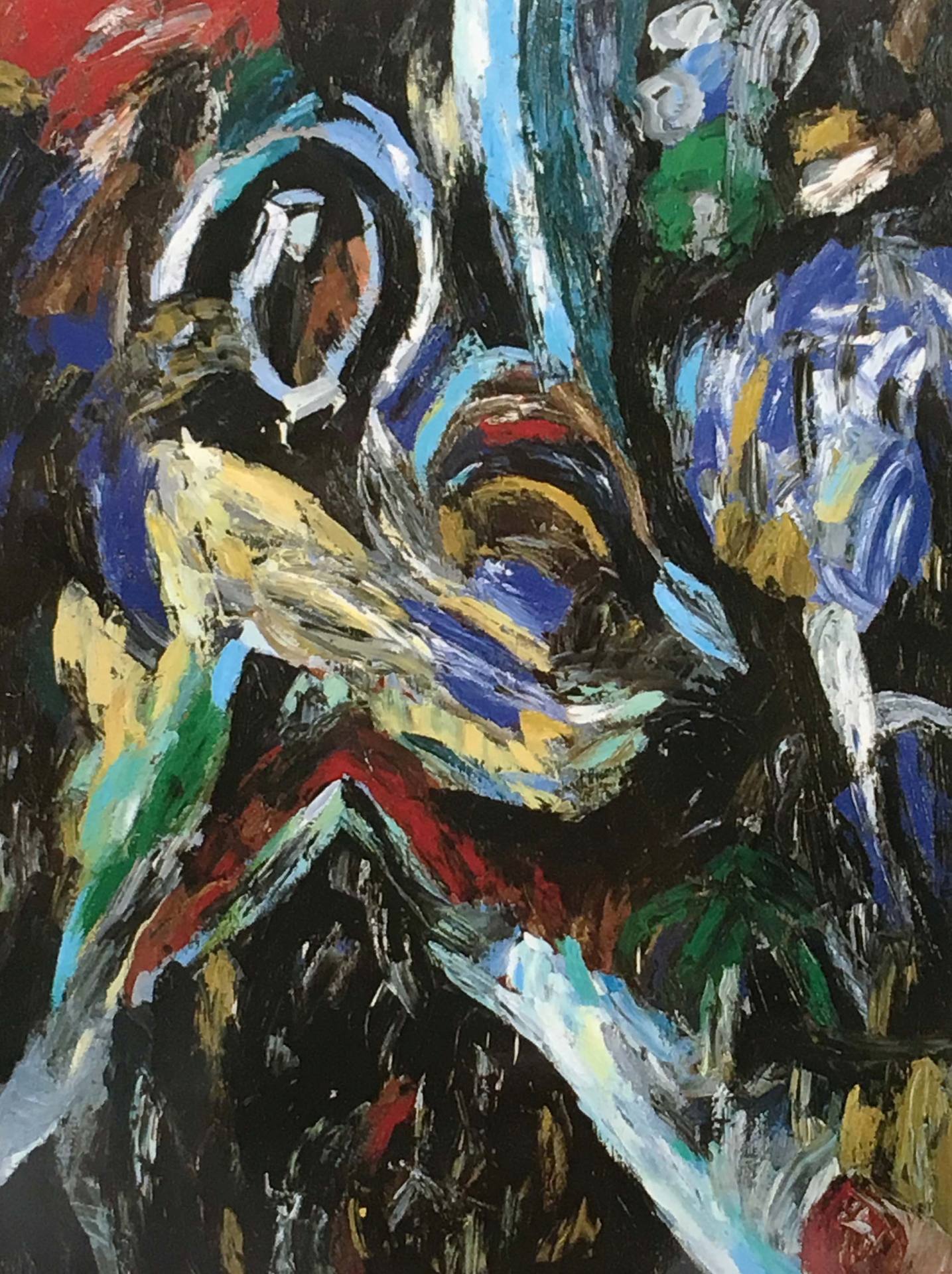
「風景-山」
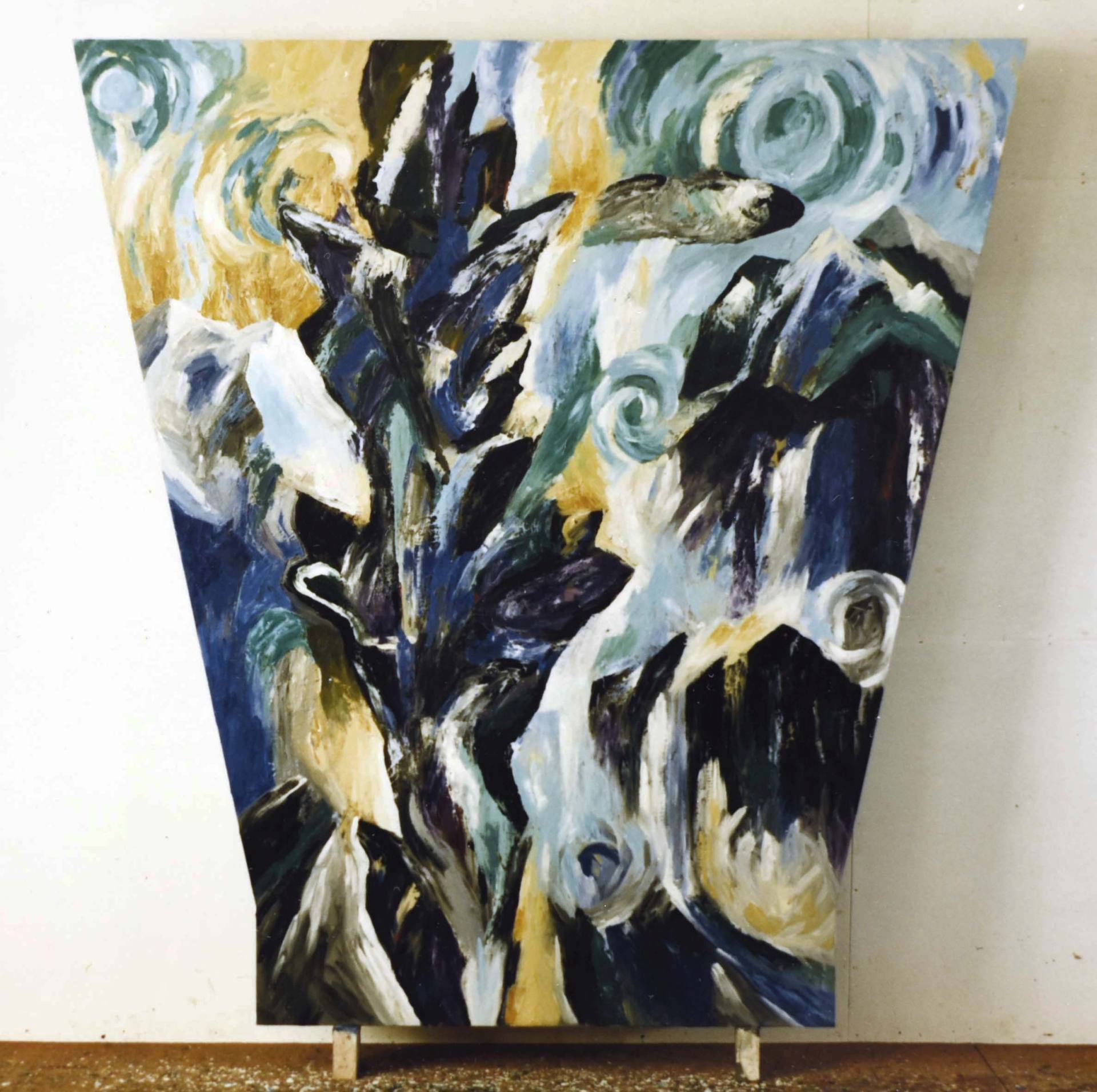
「風景-沈黙」

「風景-波」
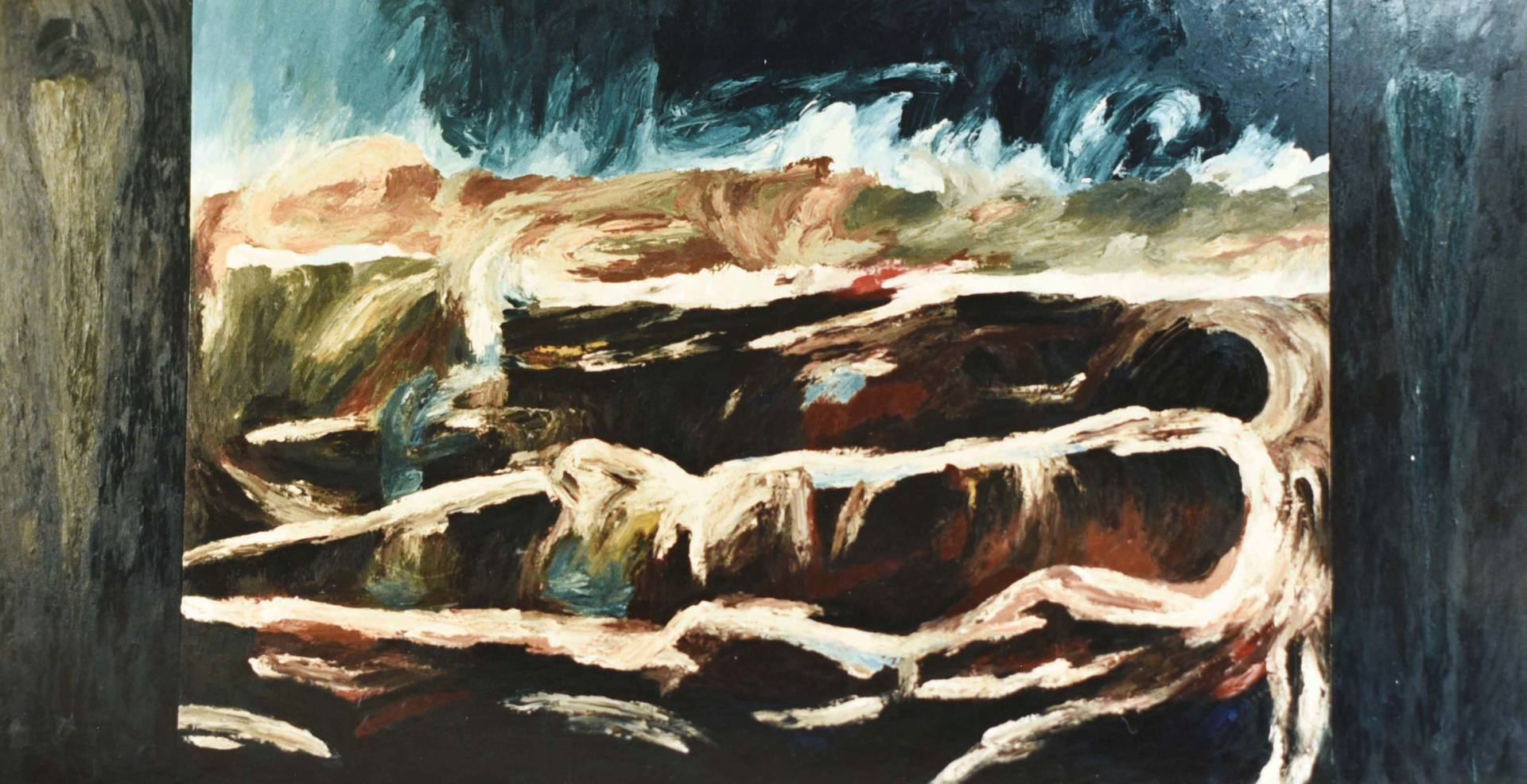
「風景-垂直過程」
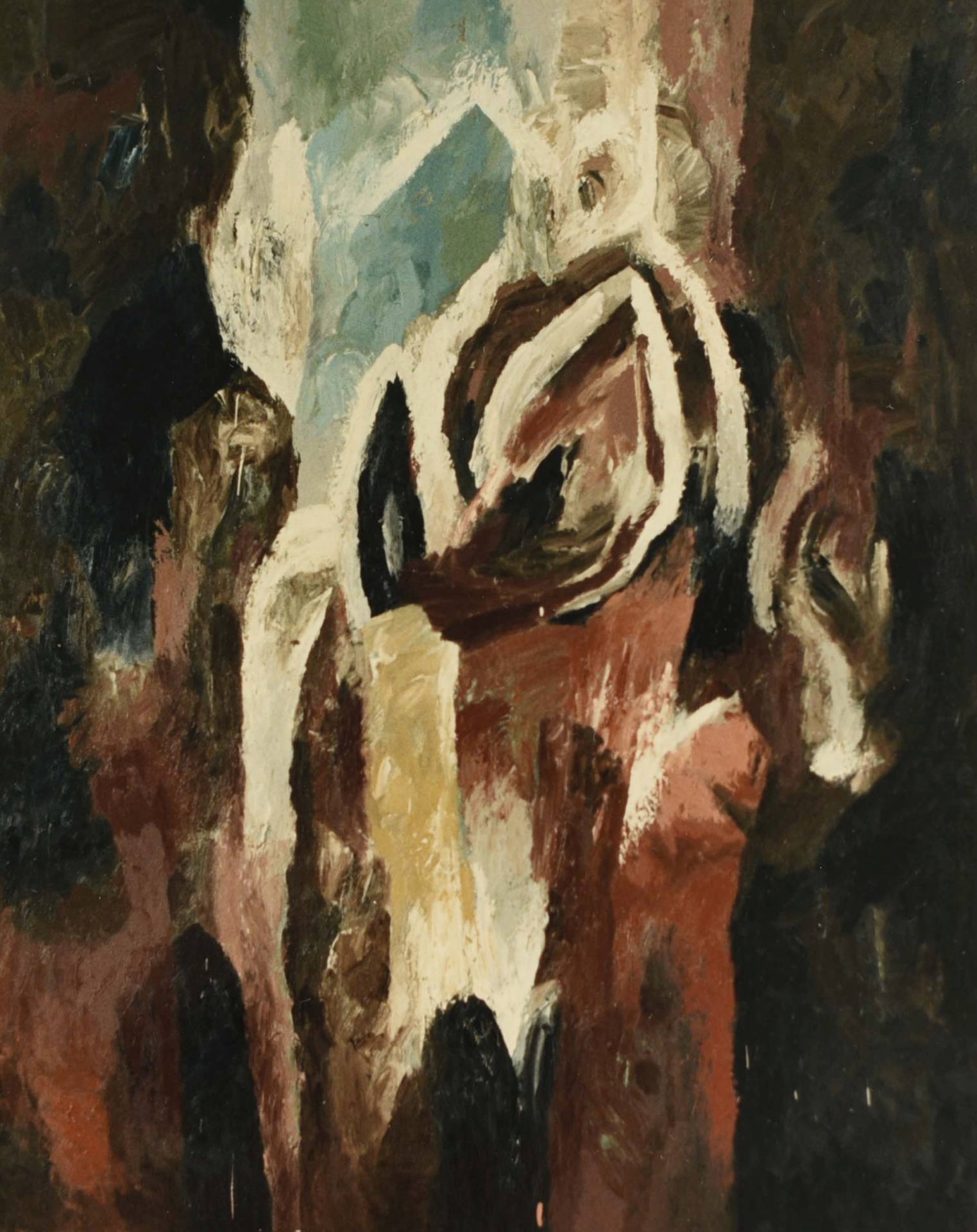
「風景-叙事」
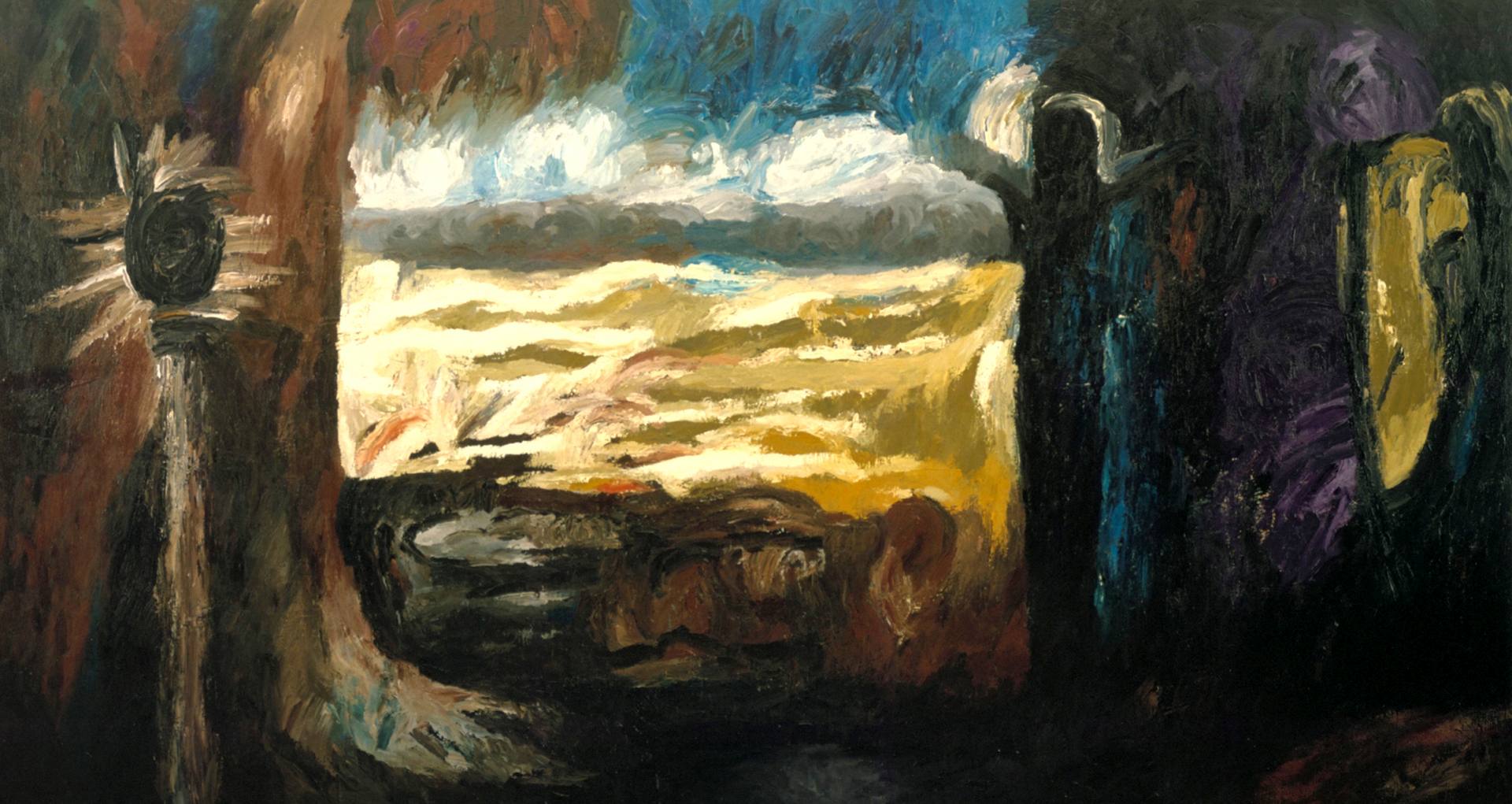
「風景-場Ⅱ」
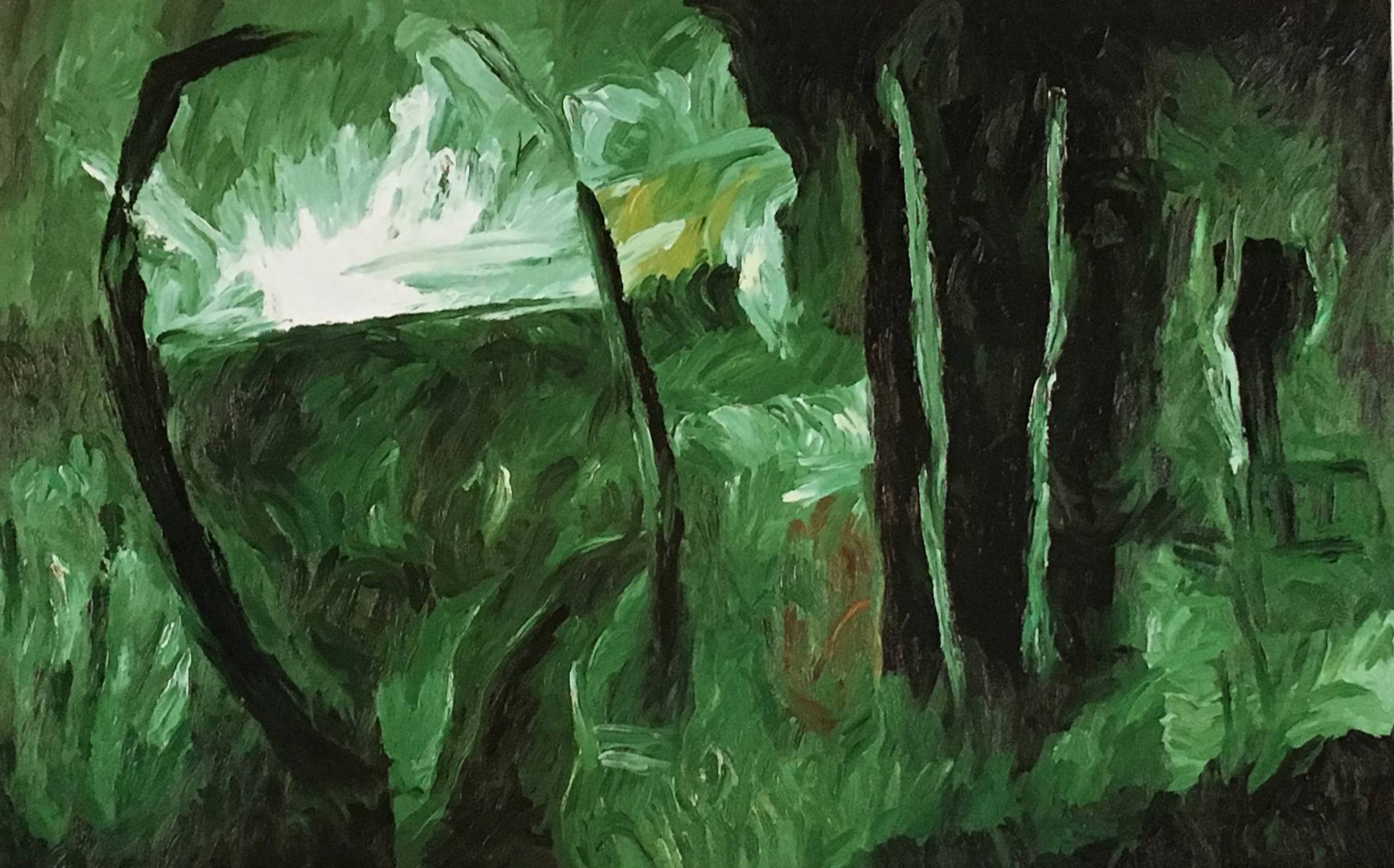
「風景-像Ⅰ」
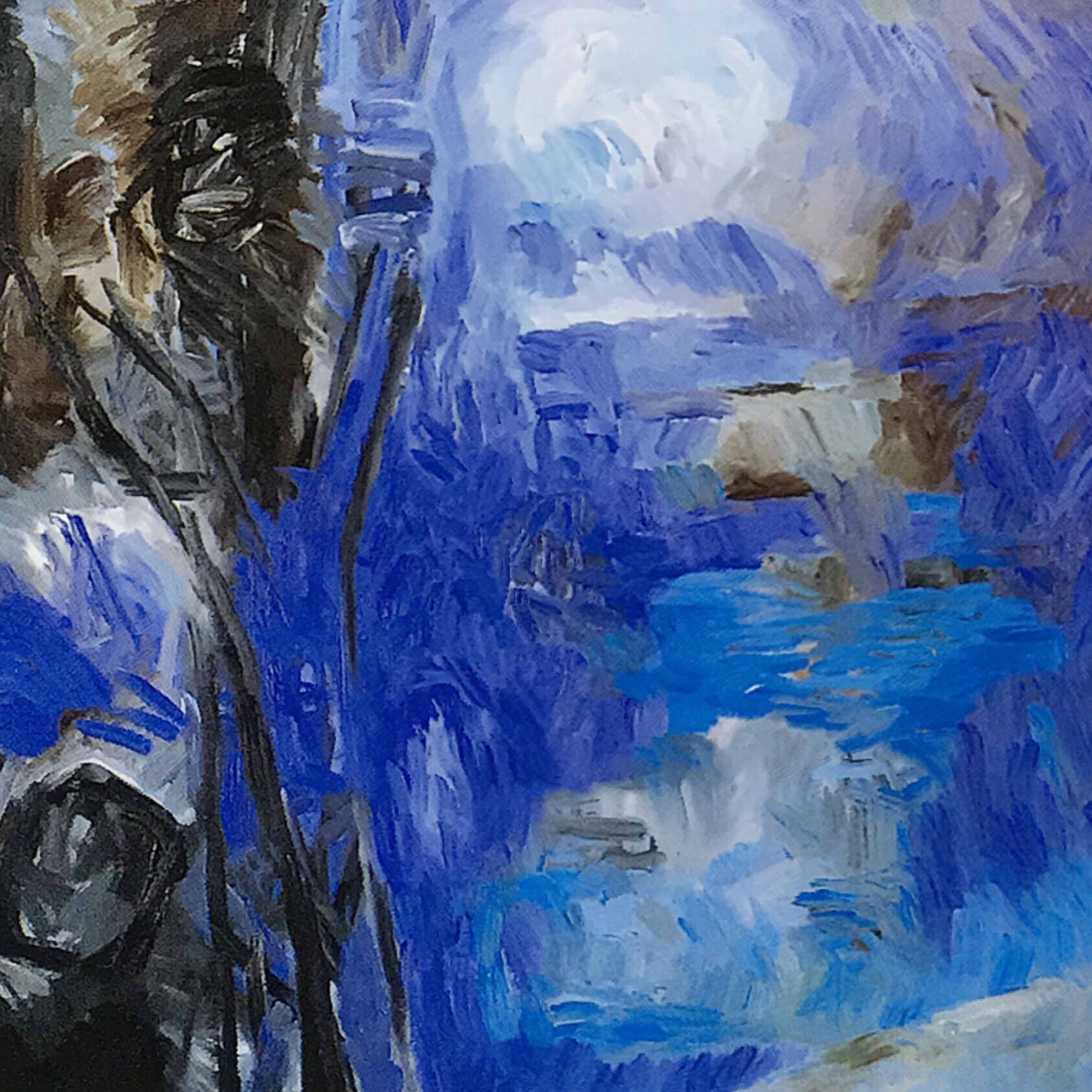
「風景-像Ⅱ」
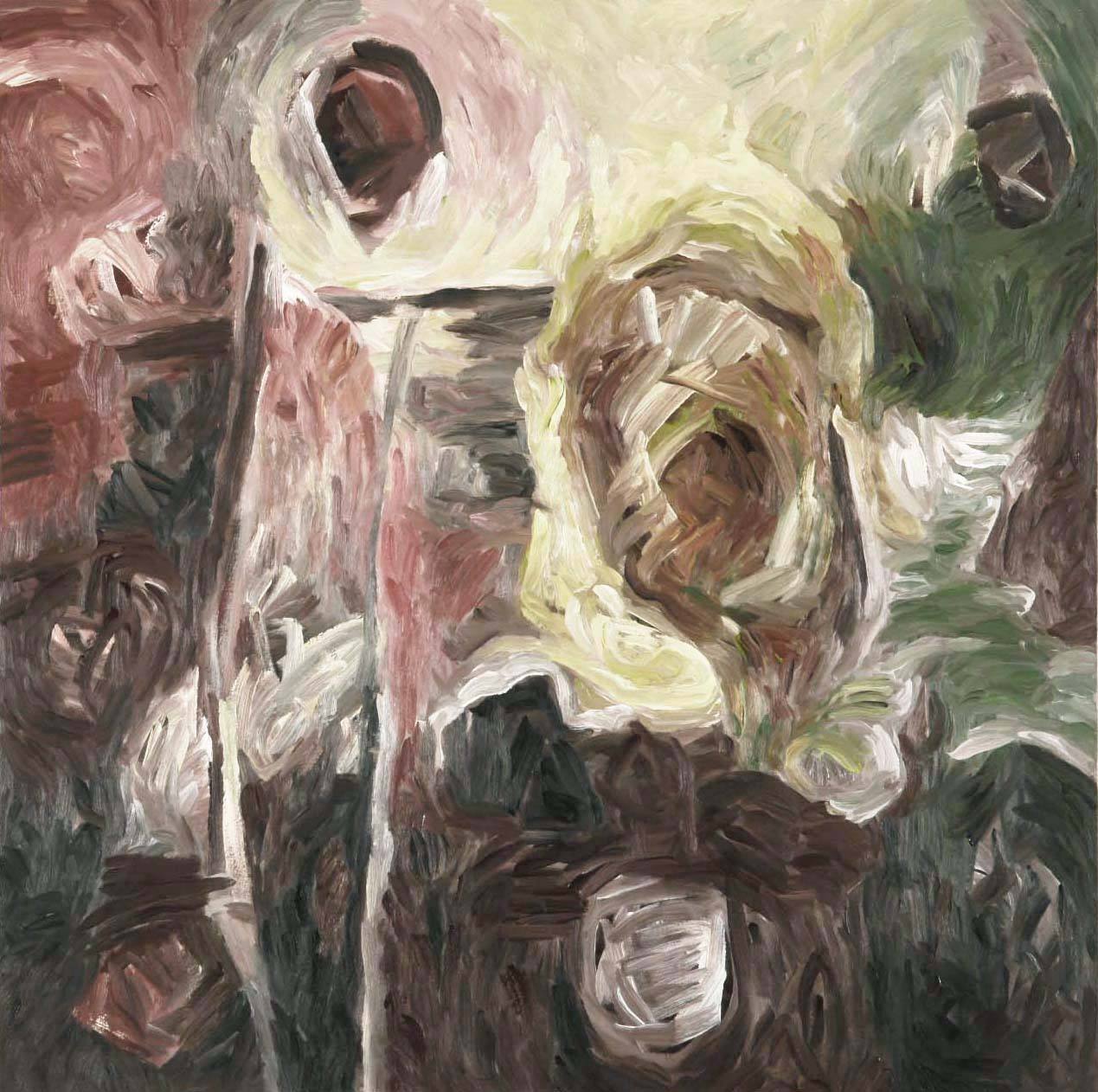
「風景-たたかい」の習作
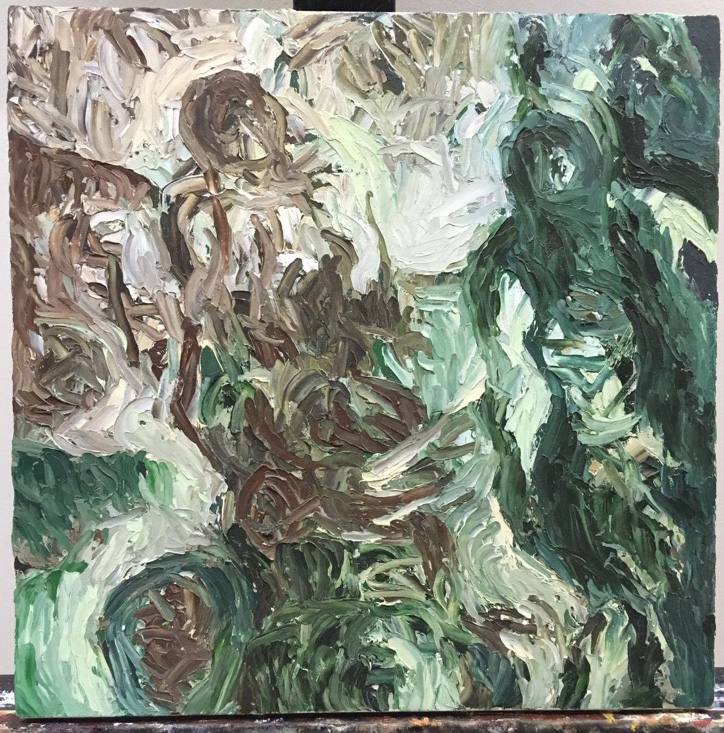
「風景-たたかい」
