Landscape, The Art of Seeing — 90s
<「風景」から網膜へ> 90年代
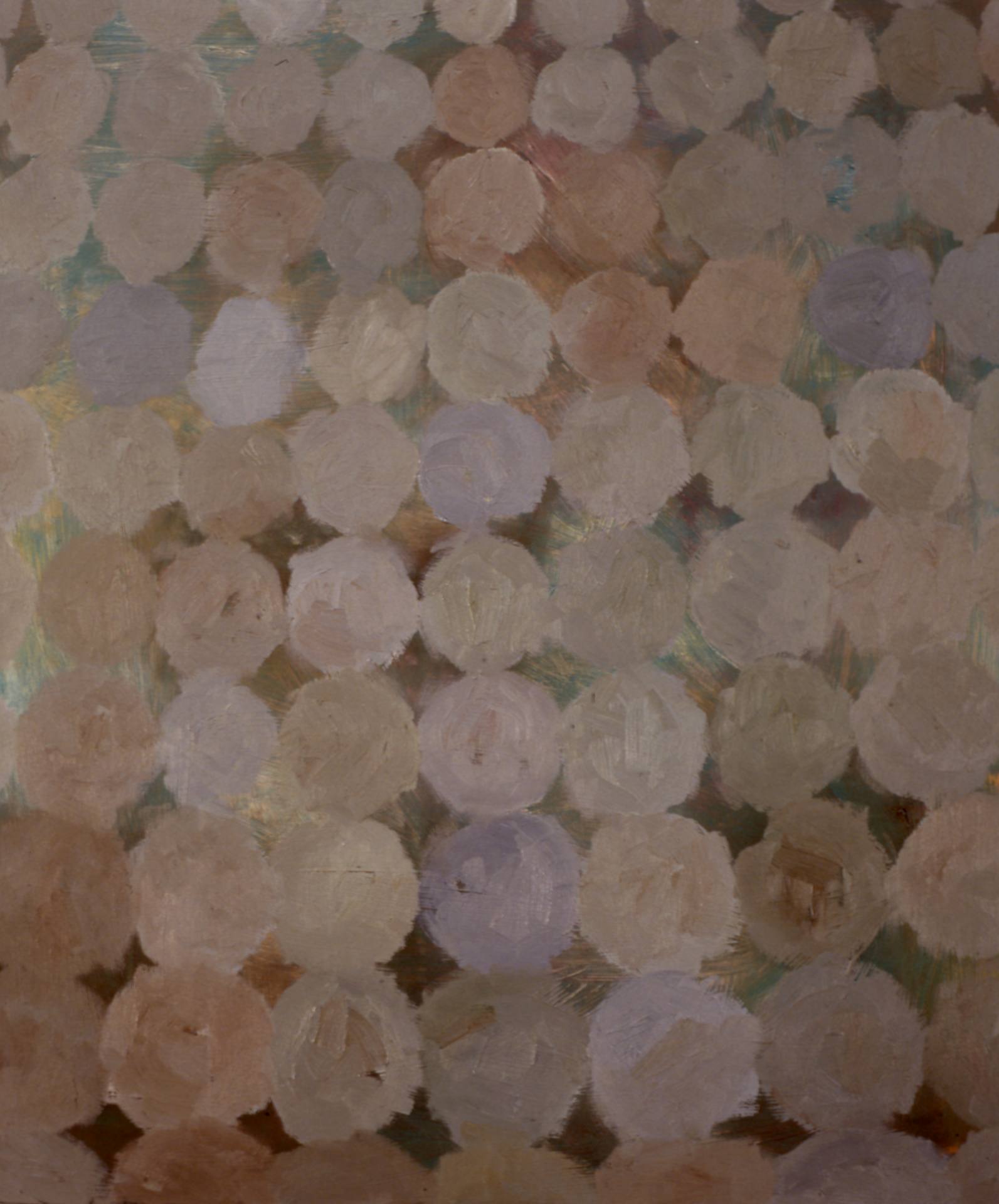
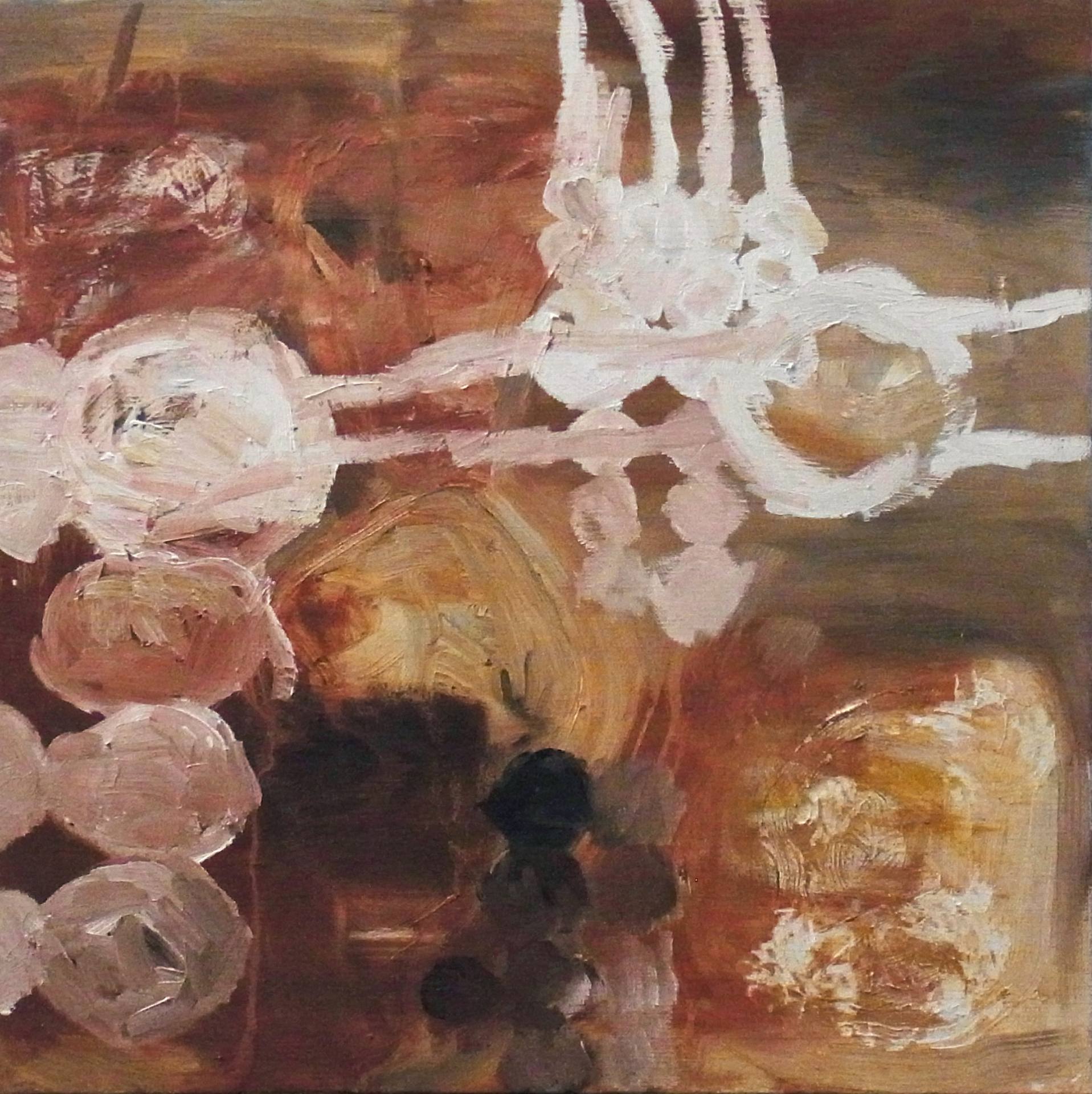
「人を描きたいけど描けない」未分化の人のようなものが存在する混沌とした風景としてしか描けない。長沢はそれを、西欧のギリシャ文明以来ずっと人間を描いてきた絵画と、自然を中心に見てきた日本の画との矛盾ととらえ、「風景」というテーマをつくることで、絵画の可能性を追求してきた。「風景—◯◯」と題された作品は多くの小品とそれをもとにした大作からなり、そこに塗られる絵の具の量も多い。やがて風景のなかから点が増え、これが「盲点」、「網膜」として発展していく。風景は目に映るものから目の中、内側に向かっていく。「風景」シリーズは「見る」という絵のテーマの始まりにあった。
Landscape, The Art of Seeing — 90s
“I want to depict human beings, but I cannot.” They could only be rendered as a chaotic landscape in which undifferentiated, proto-human entities exist. Nagasawa perceived this as a fundamental contradiction between Western painting—which has consistently depicted the human figure since the dawn of Greek civilization—and Japanese painting, which has historically viewed the world with Nature at its center. By establishing the theme of “Landscape,” he pursued the latent possibilities of painting. The works titled Landscape—[X] consist of numerous small-scale studies and large-scale paintings based upon them, characterized by a heavy accumulation of paint. Eventually, the dots within these landscapes multiplied, evolving into concepts of the “blind spot” and the “retina.” Landscape shifted from that which is reflected in the eye to something directed inward, into the eye itself. The Landscape series marked the inception of “seeing” as the ultimate theme of his painting.

「風景の内Ⅰ」

「風景-見えないものⅠ」
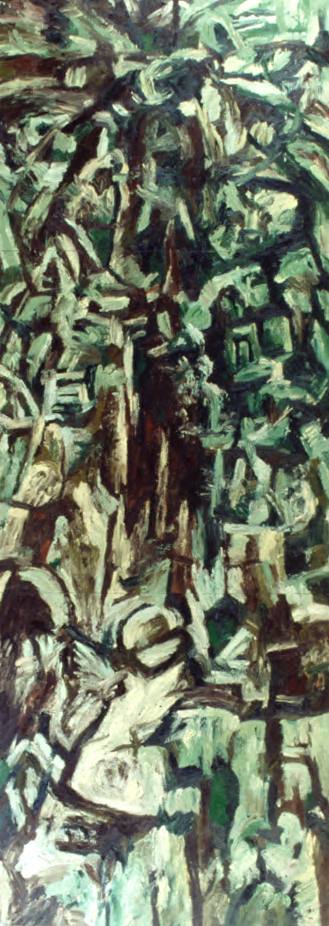
「風景-見えないものⅡ」
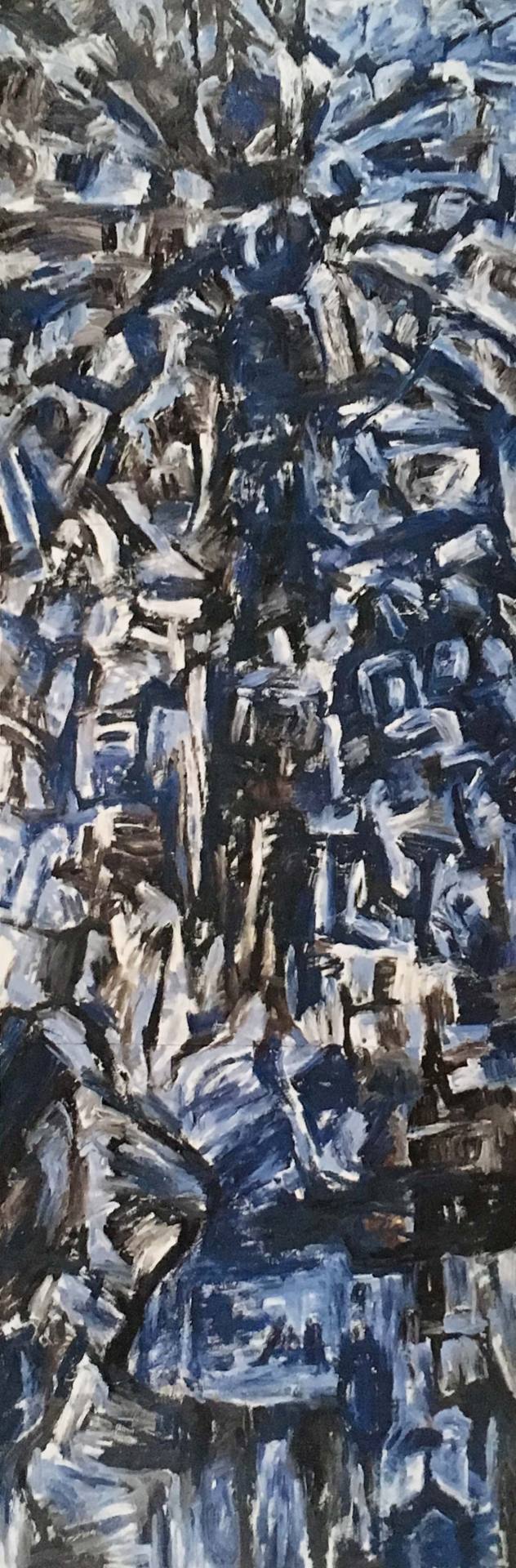
「風景-帰還」

「風景-夜Ⅰ」
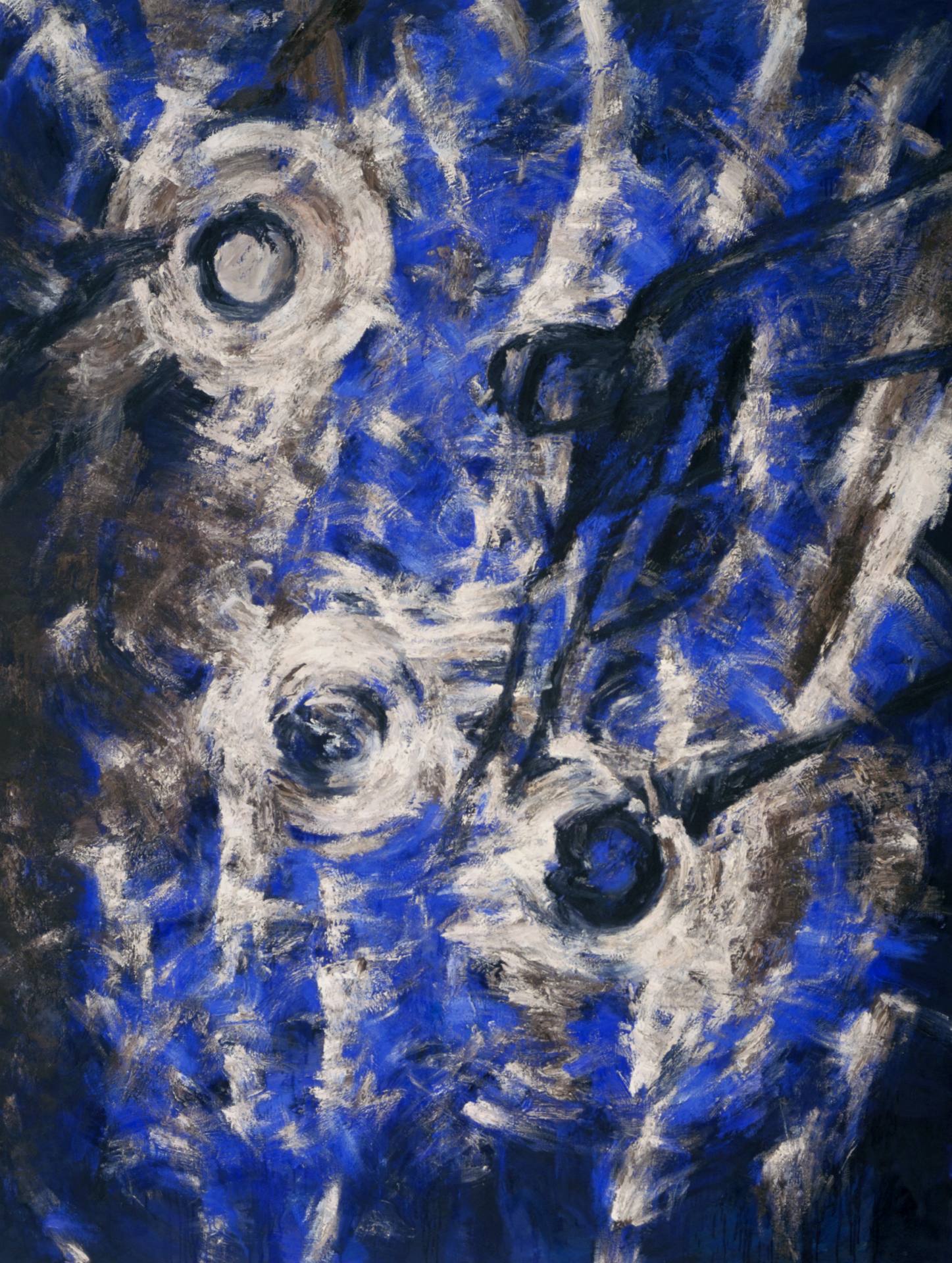
「無題」
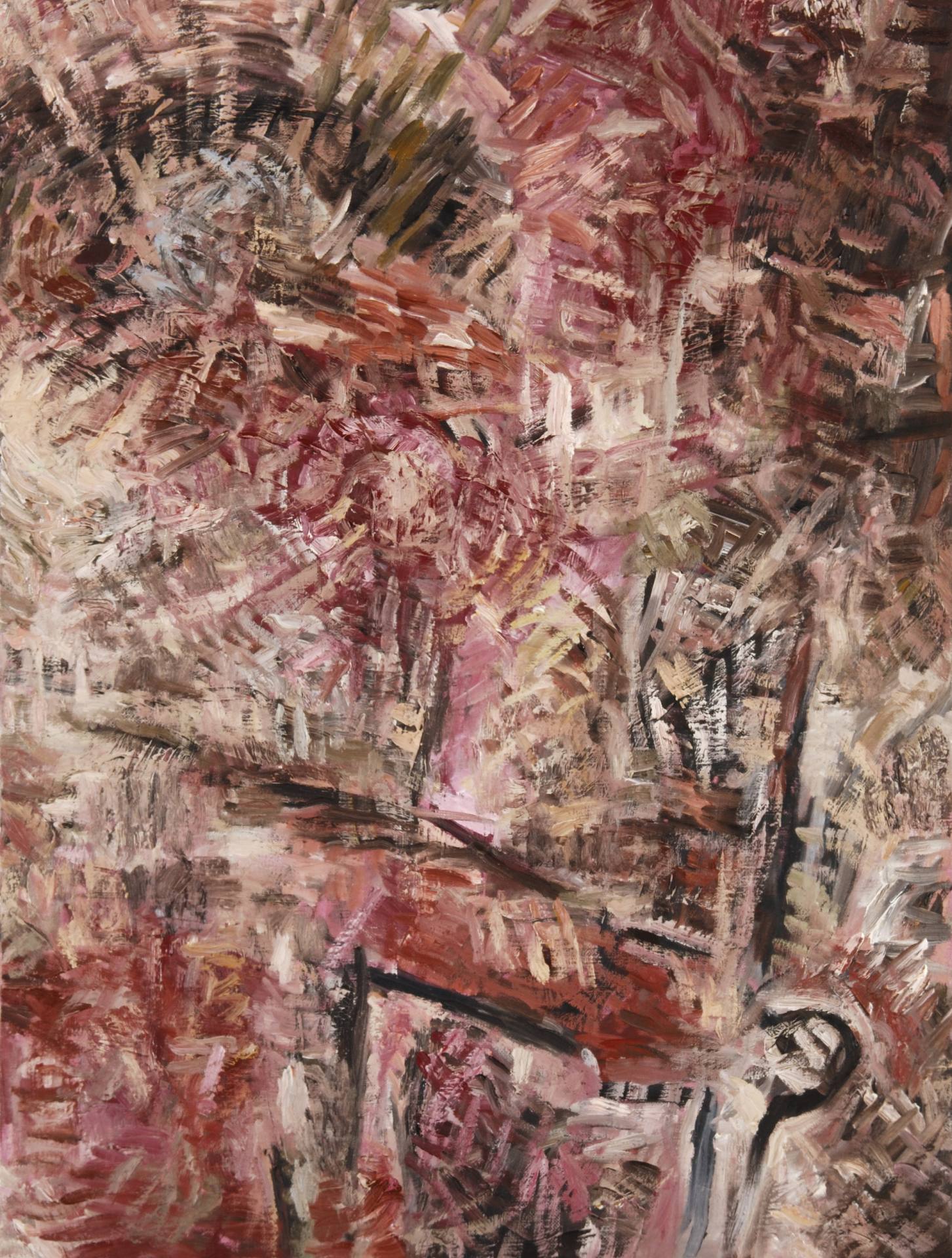
Drawing
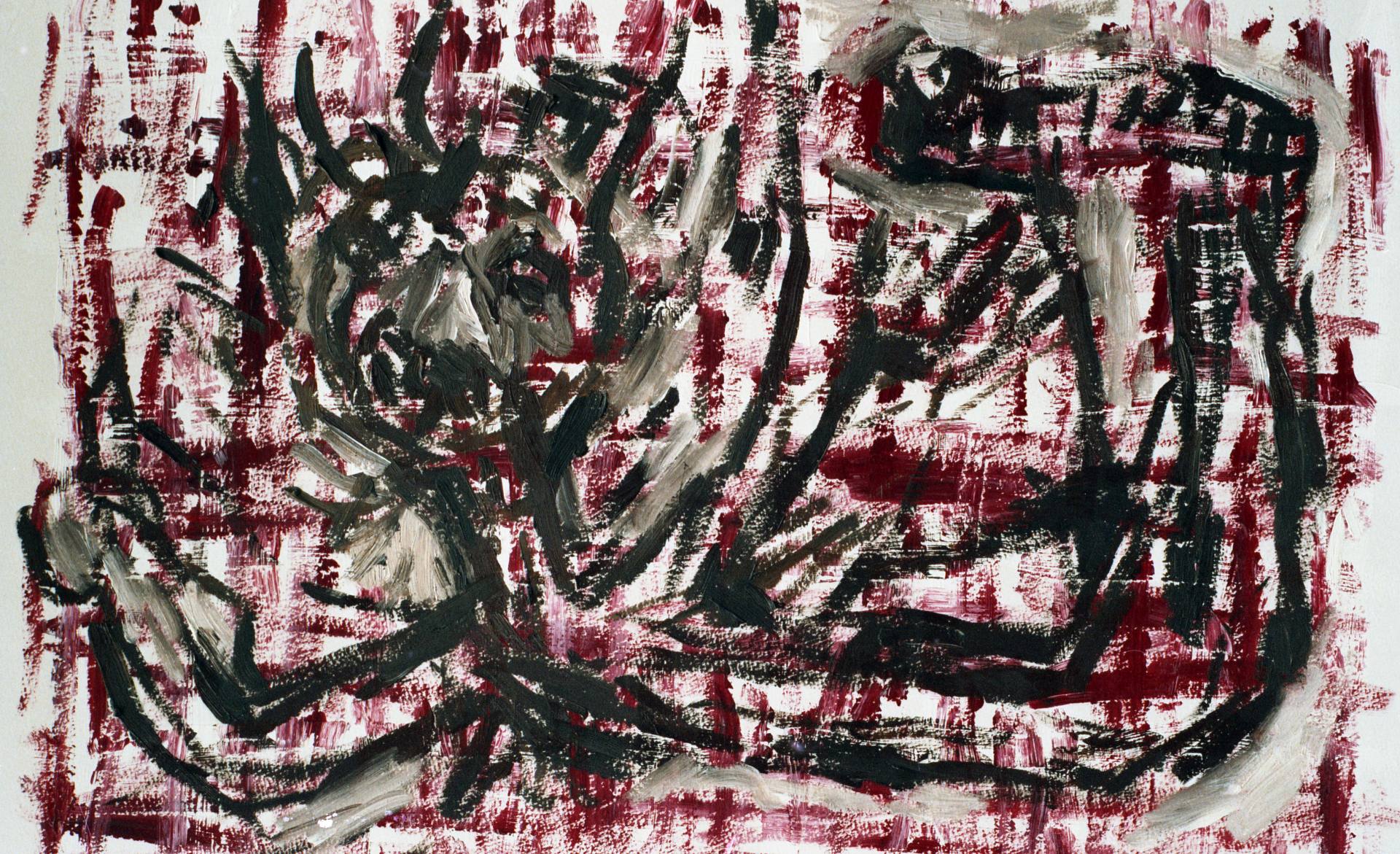
「風景-曖昧な存在」

「風景-星座」
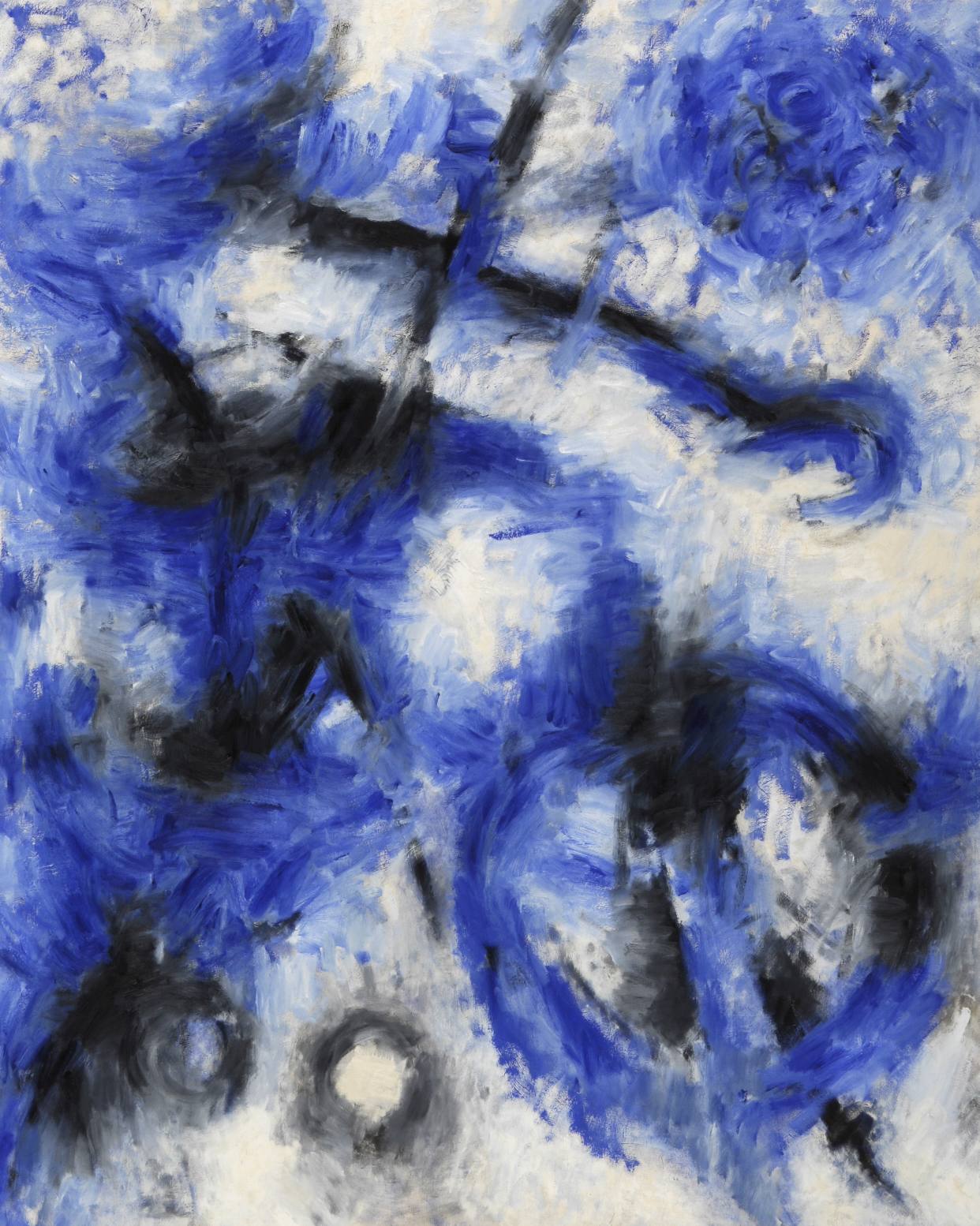
「風景ー0地」
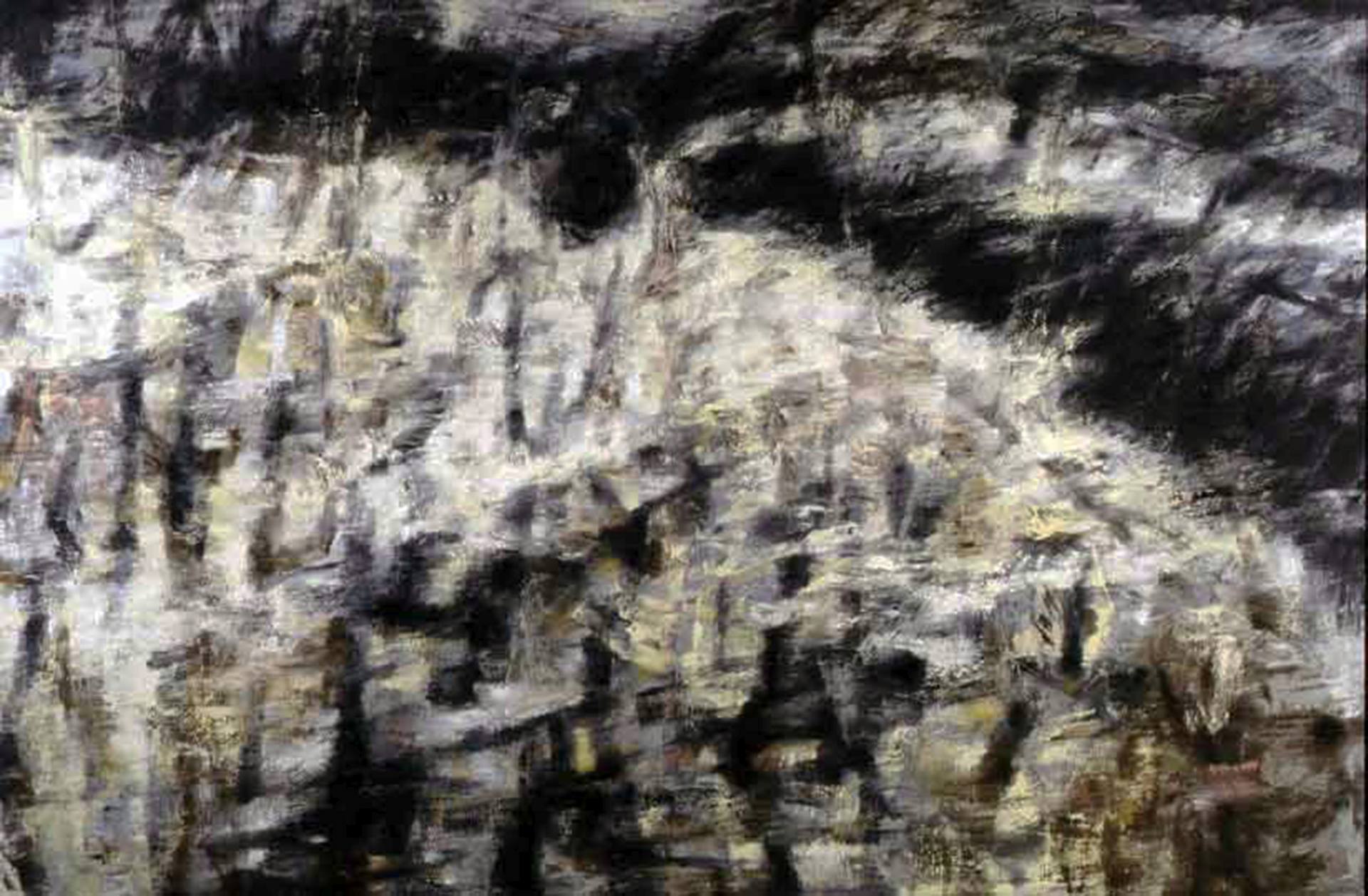
「風景-発声」
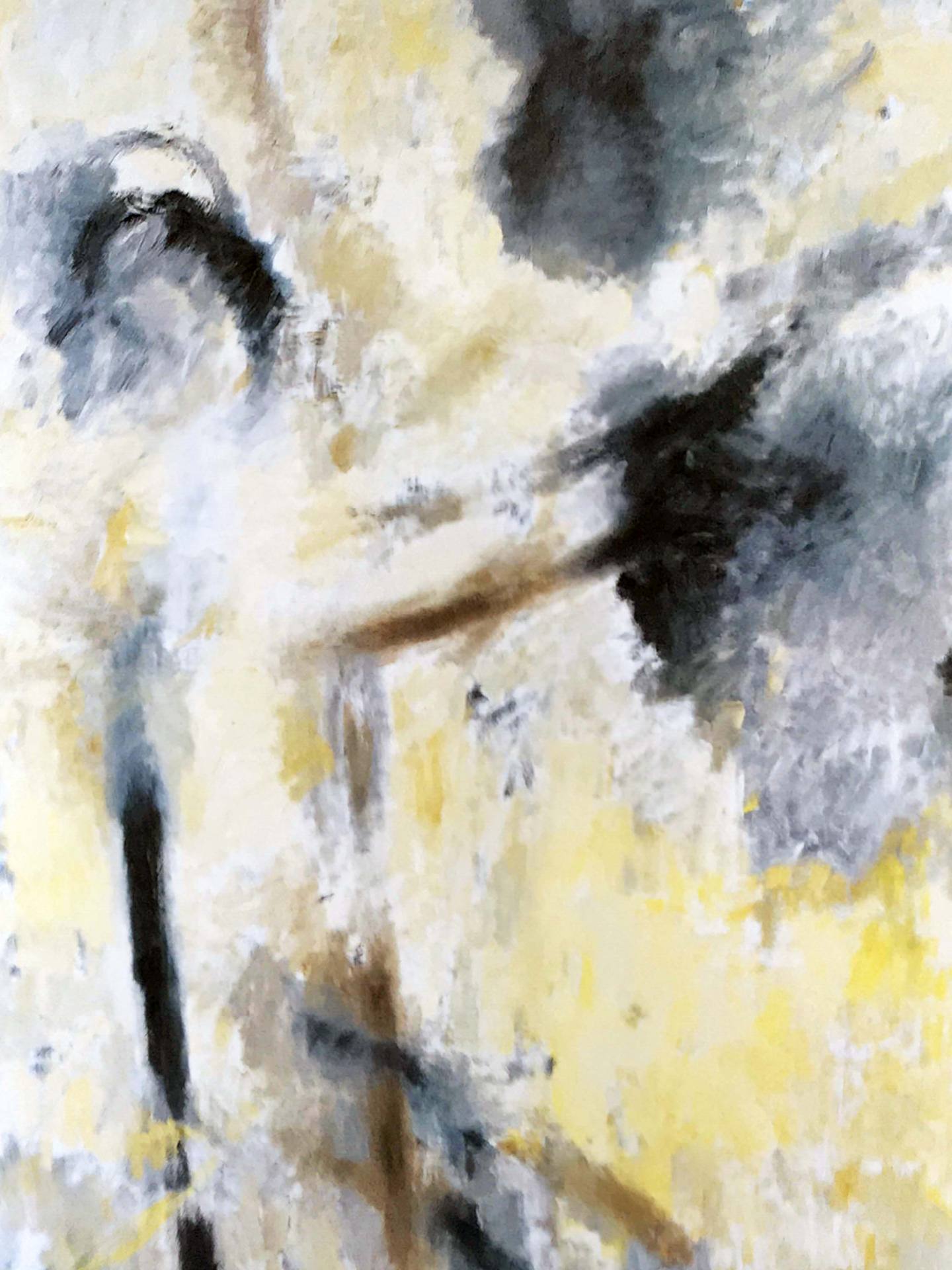
「風景-顔」
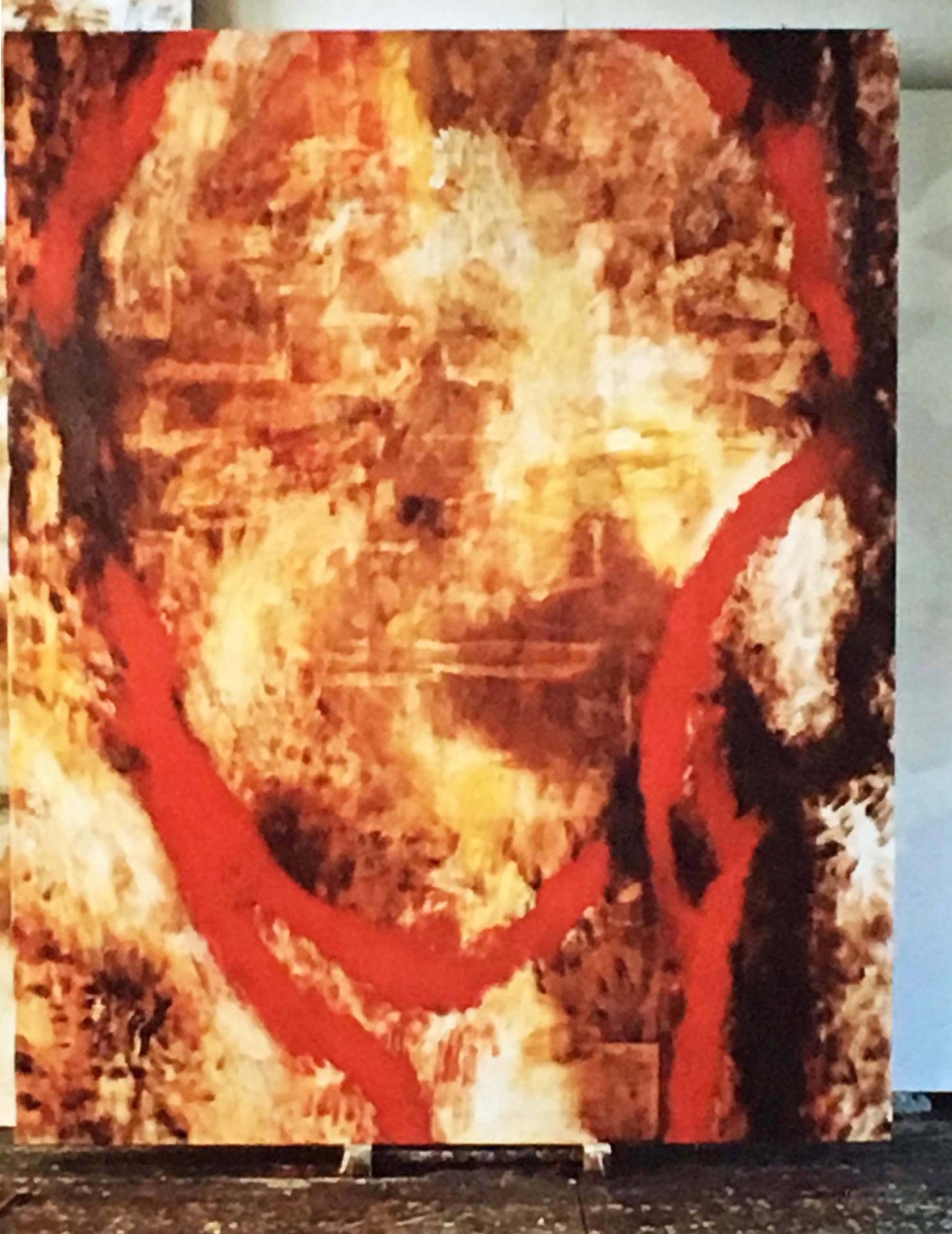
「風景-残像2」
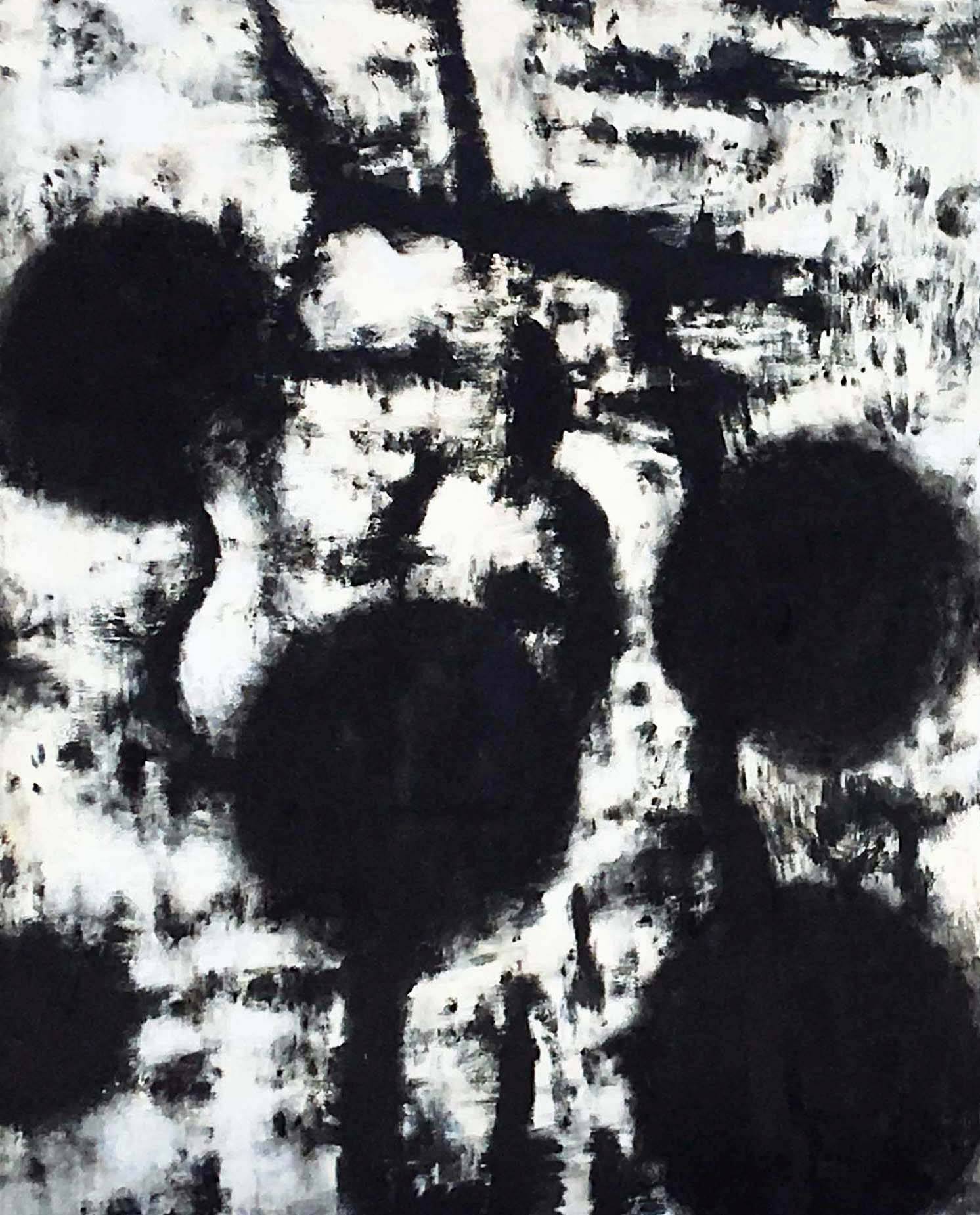
「風景-網膜」
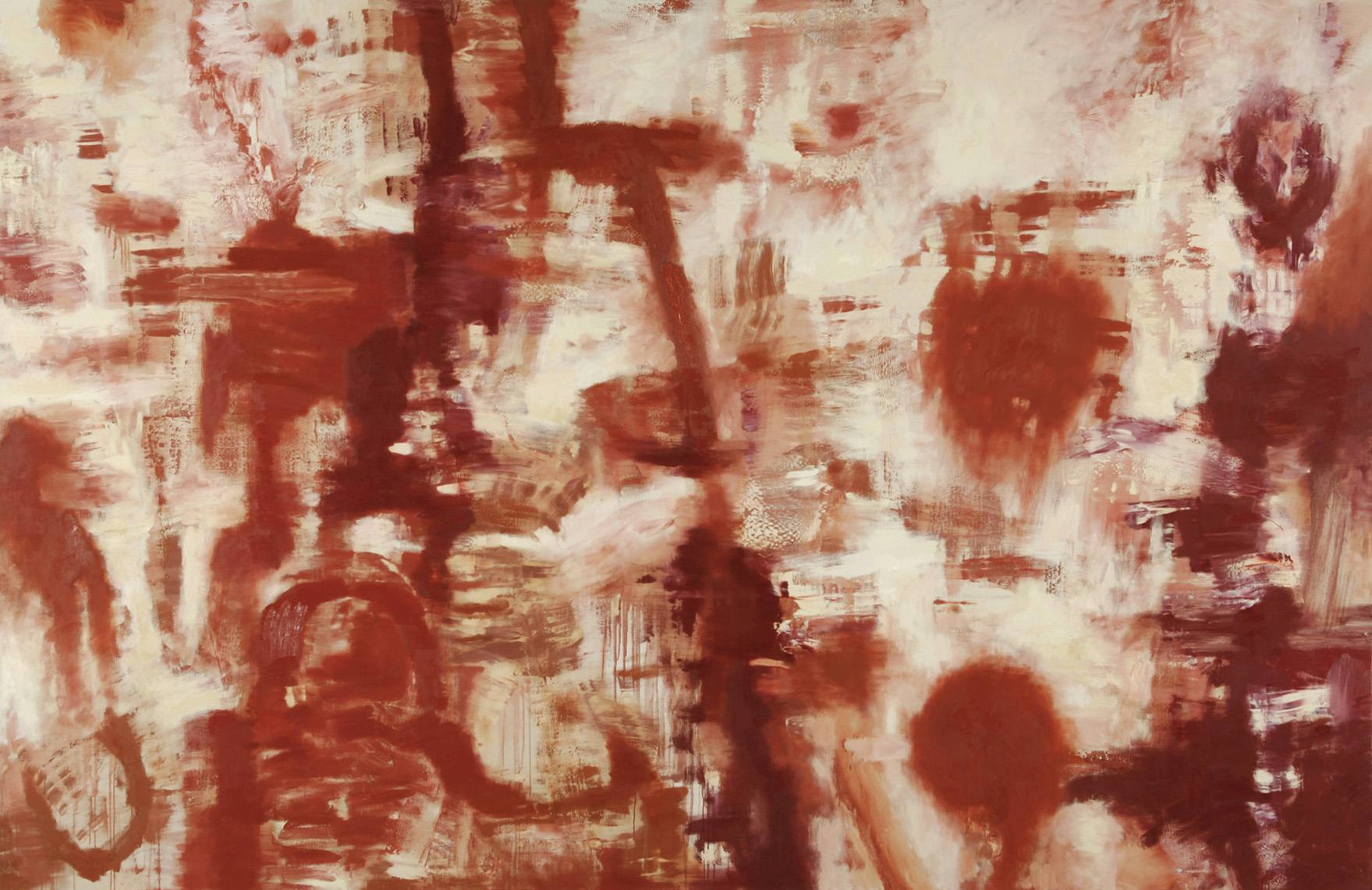
「眼の内Ⅰ」

「風景の内Ⅱ」
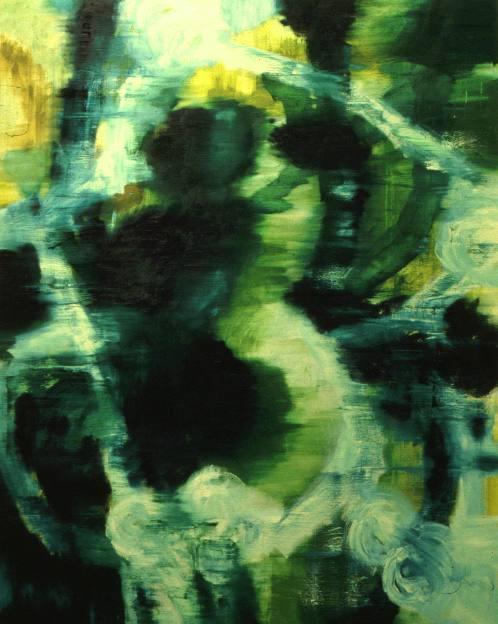
「風景-水の中」

展示「絵画、唯一なるもの」
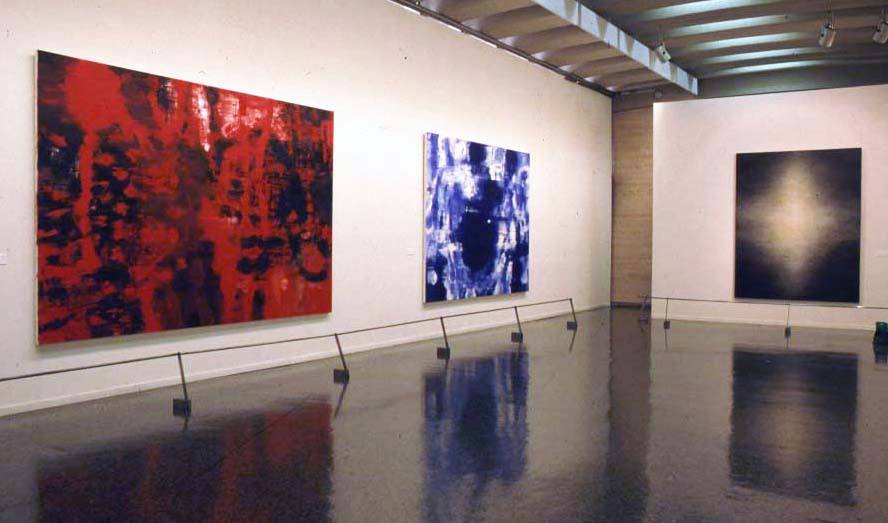
「風景-盲点2」
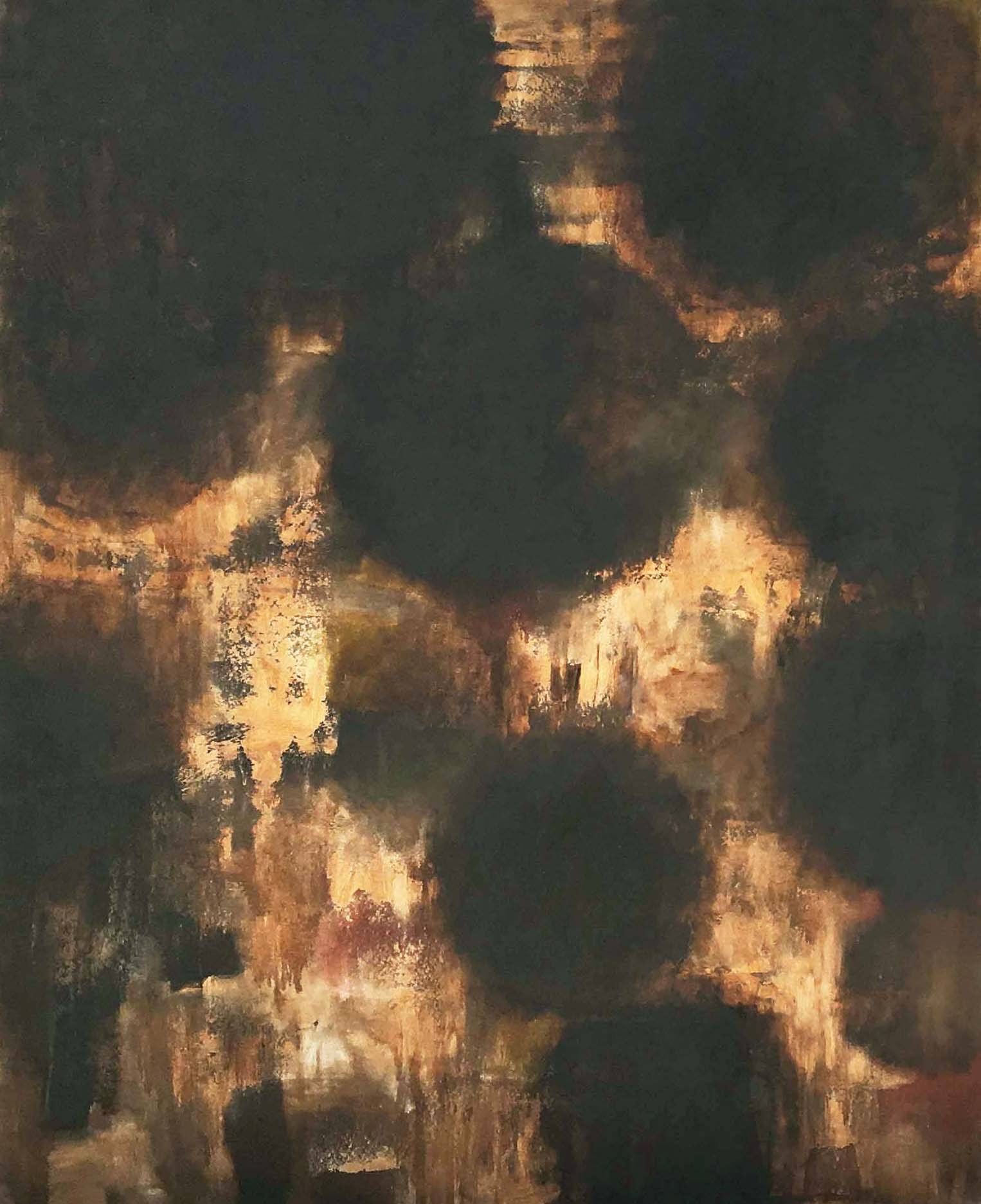
「風景-盲点」
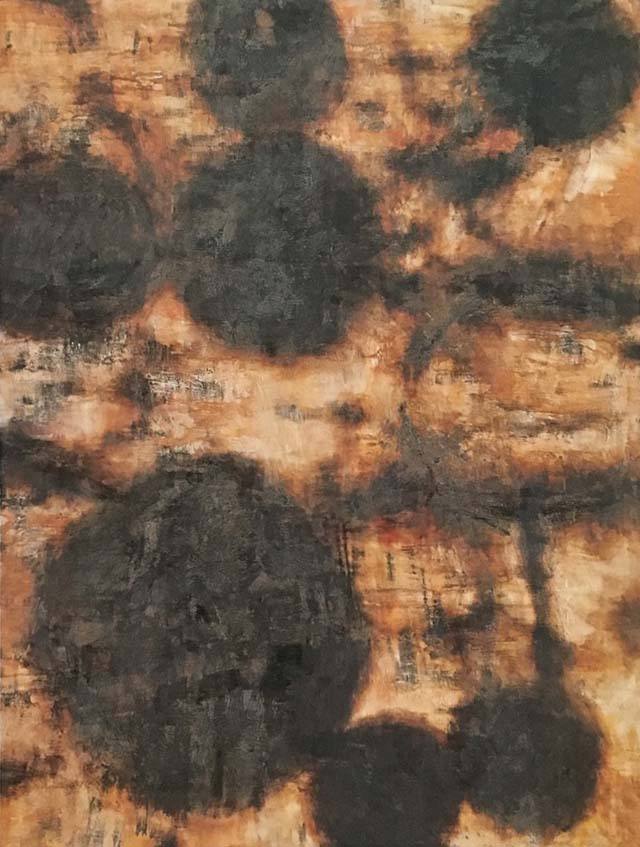
「眼の内Ⅳ」
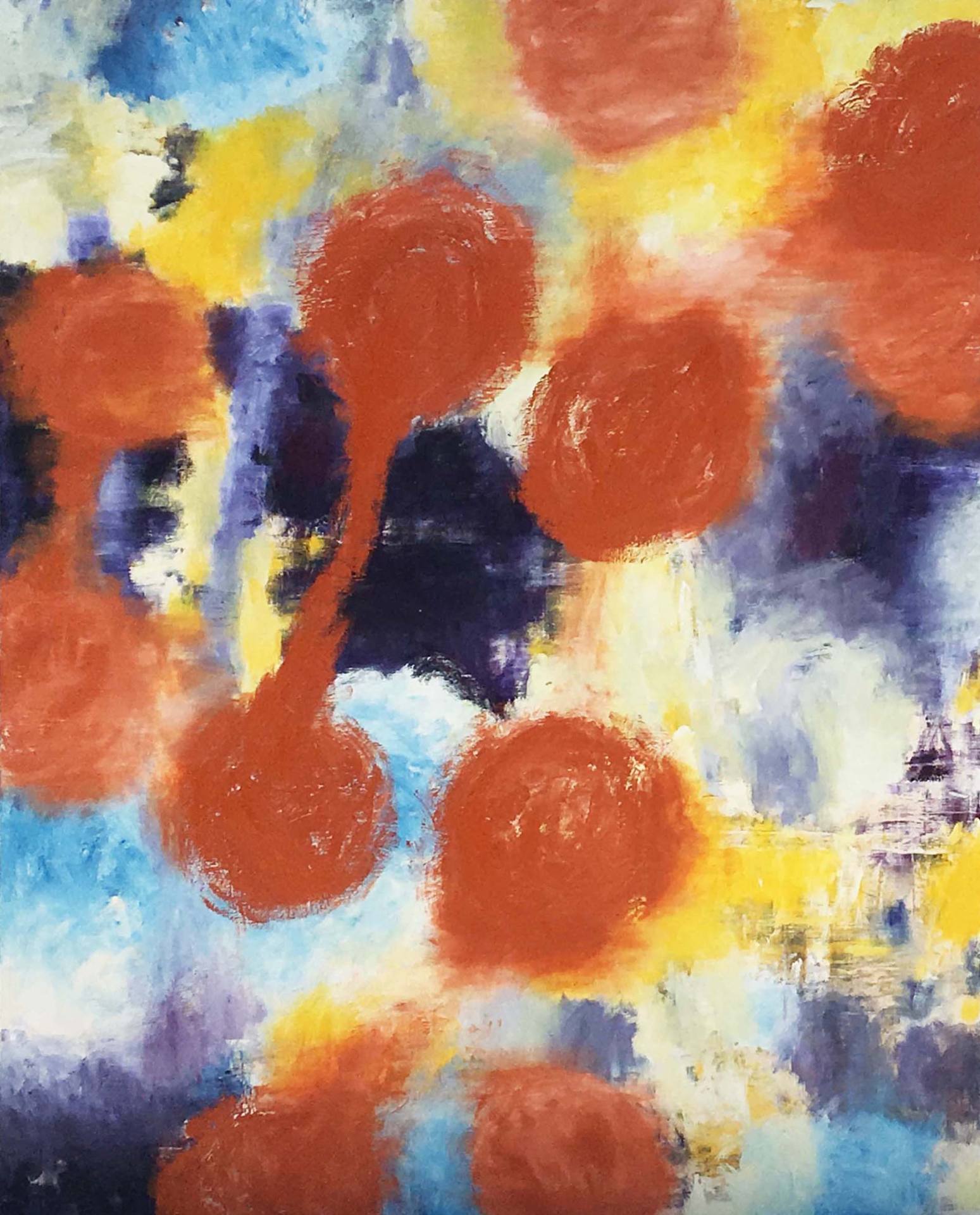
「風景の内Ⅴ」
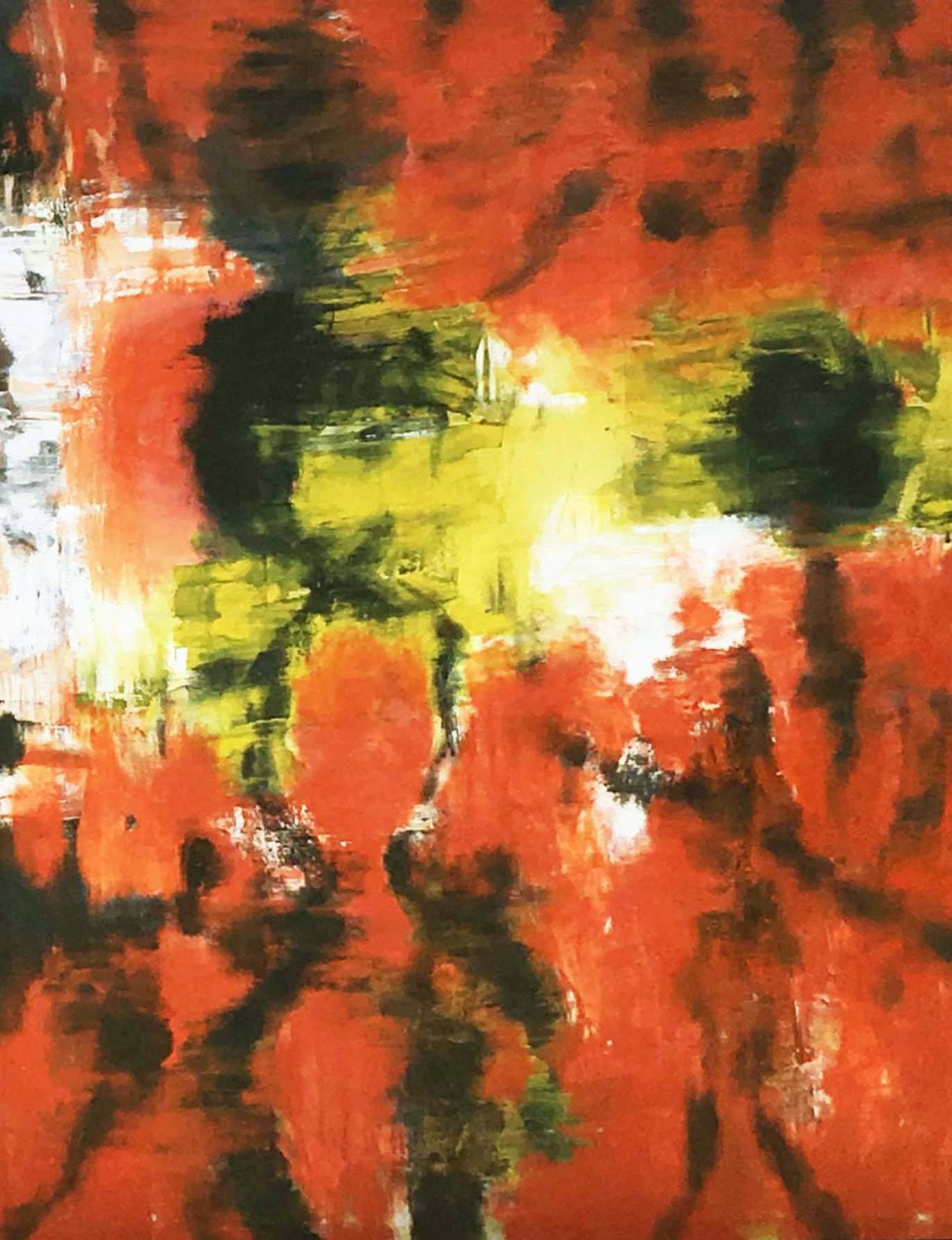
「眼の内Ⅲ」
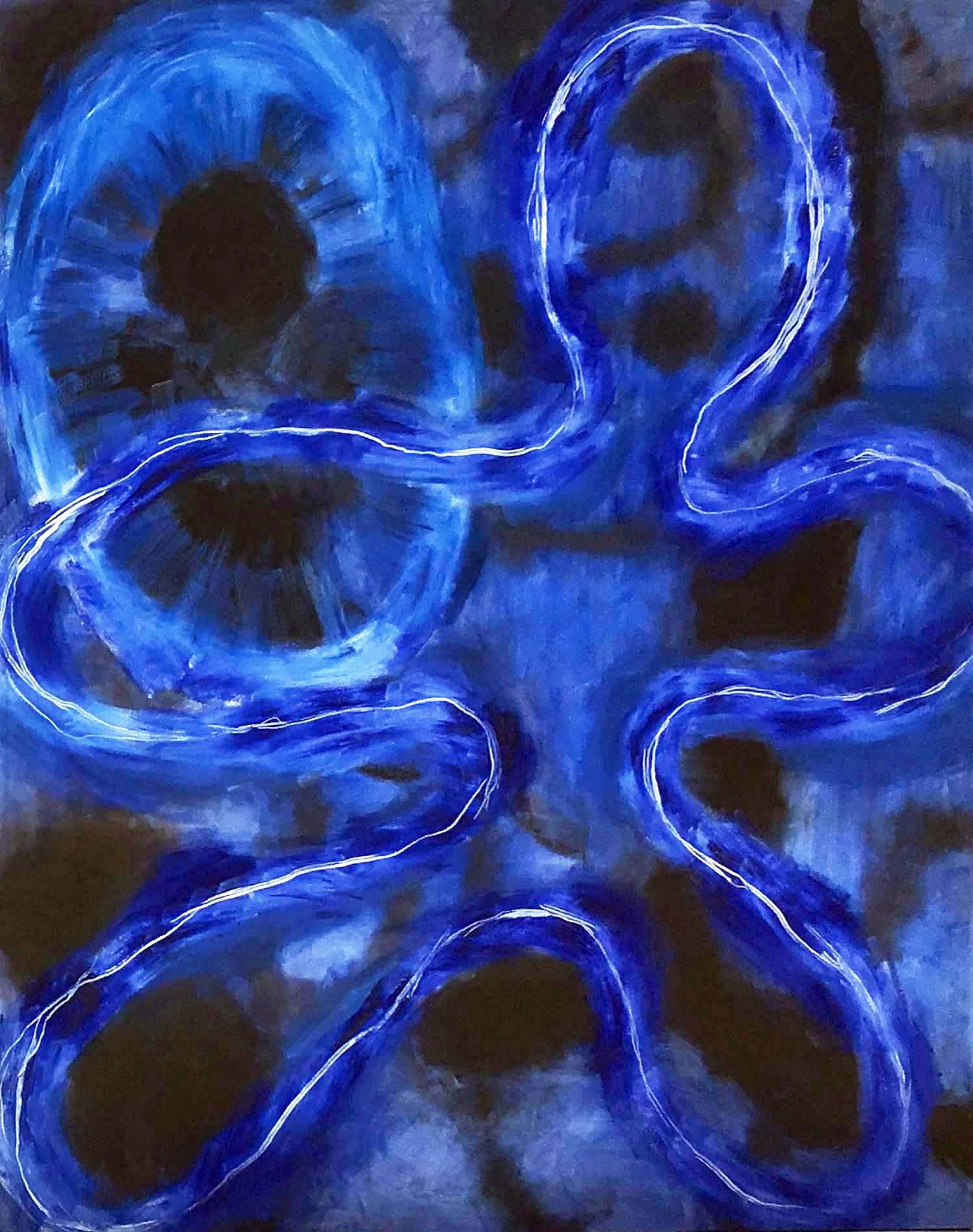
「風景-盲点4」
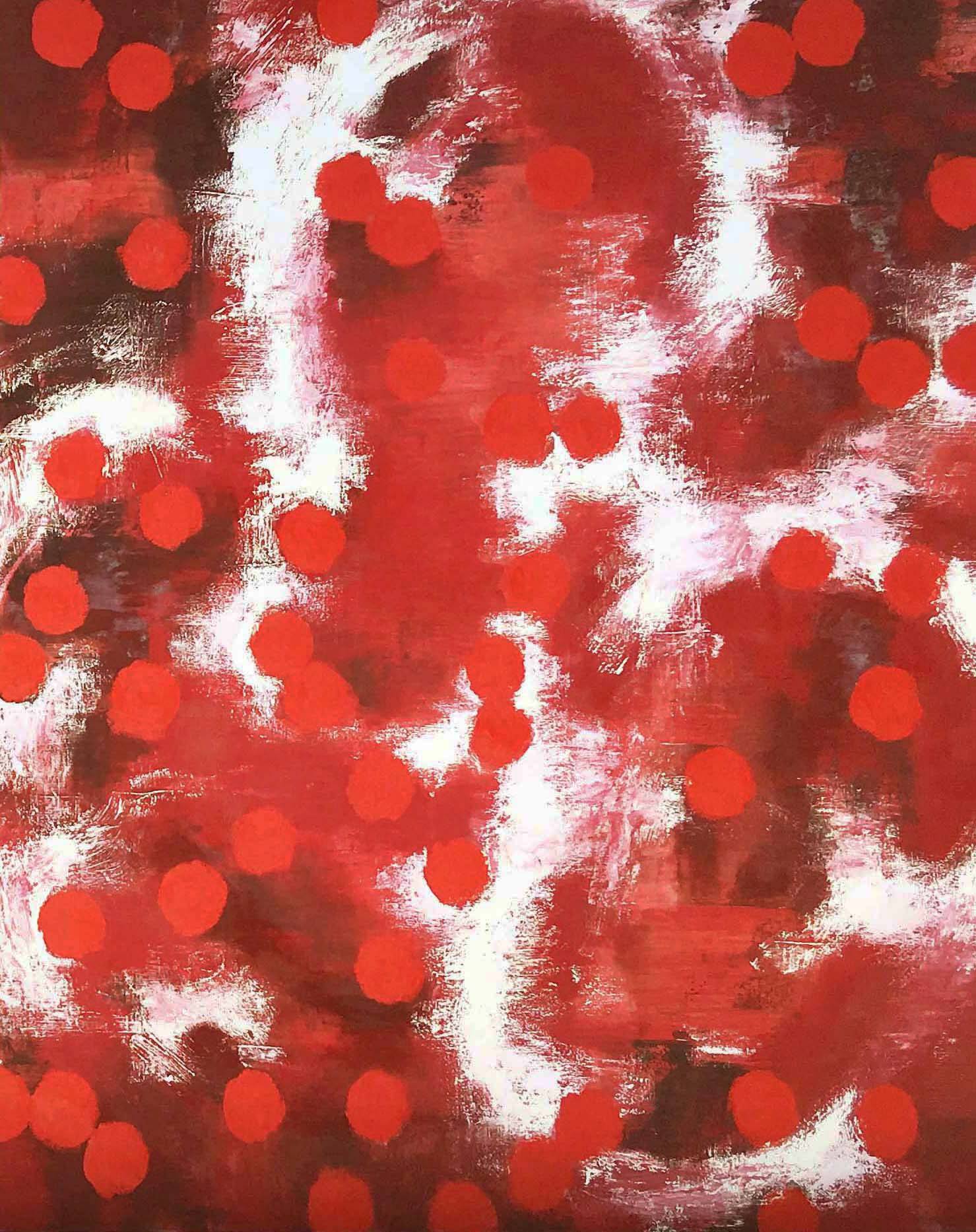
「盲点-飽和」
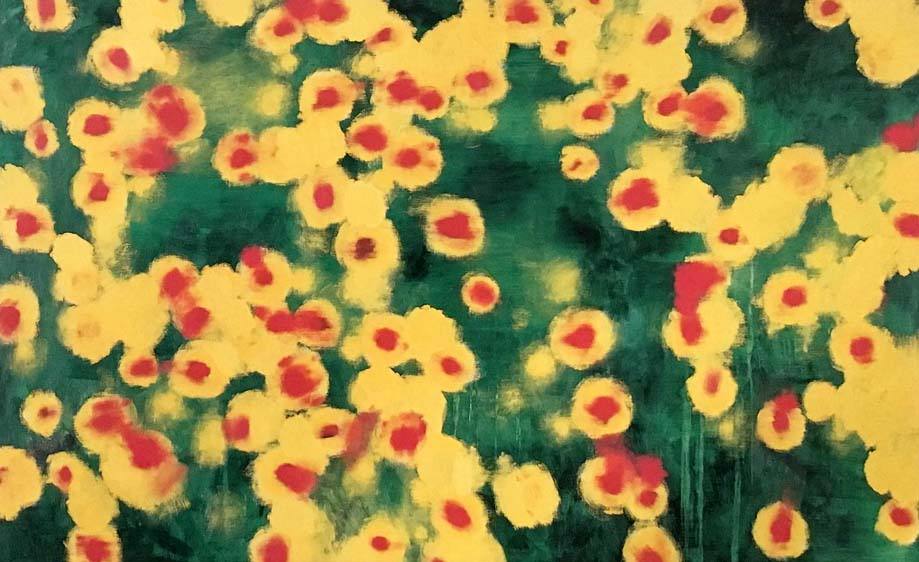
「ドミノ」
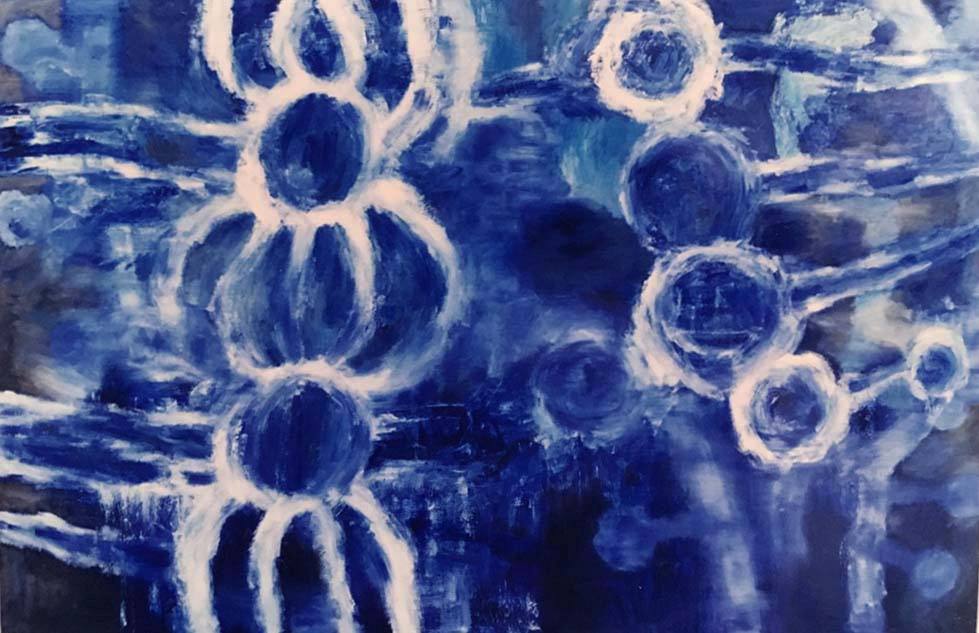
「ピクニック」
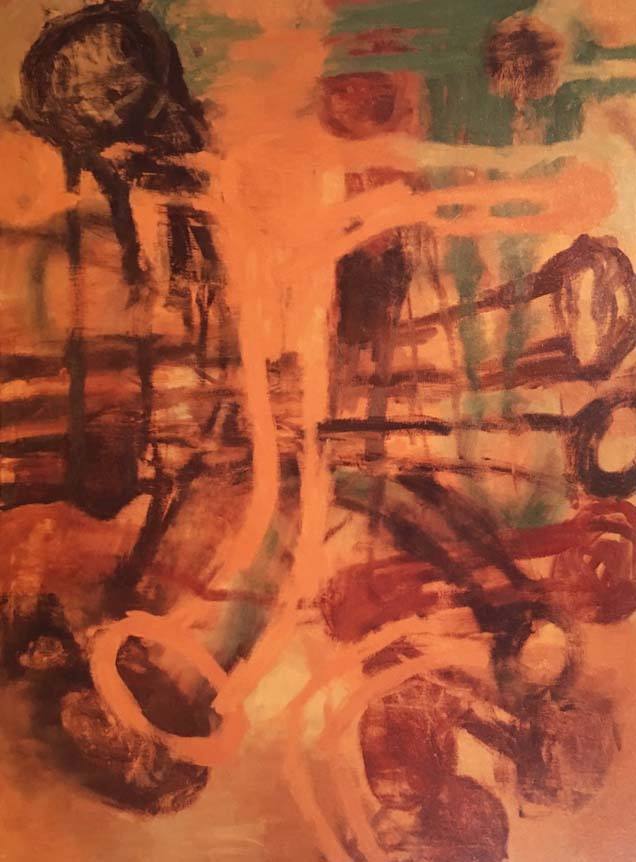
「ウチアオドリ」
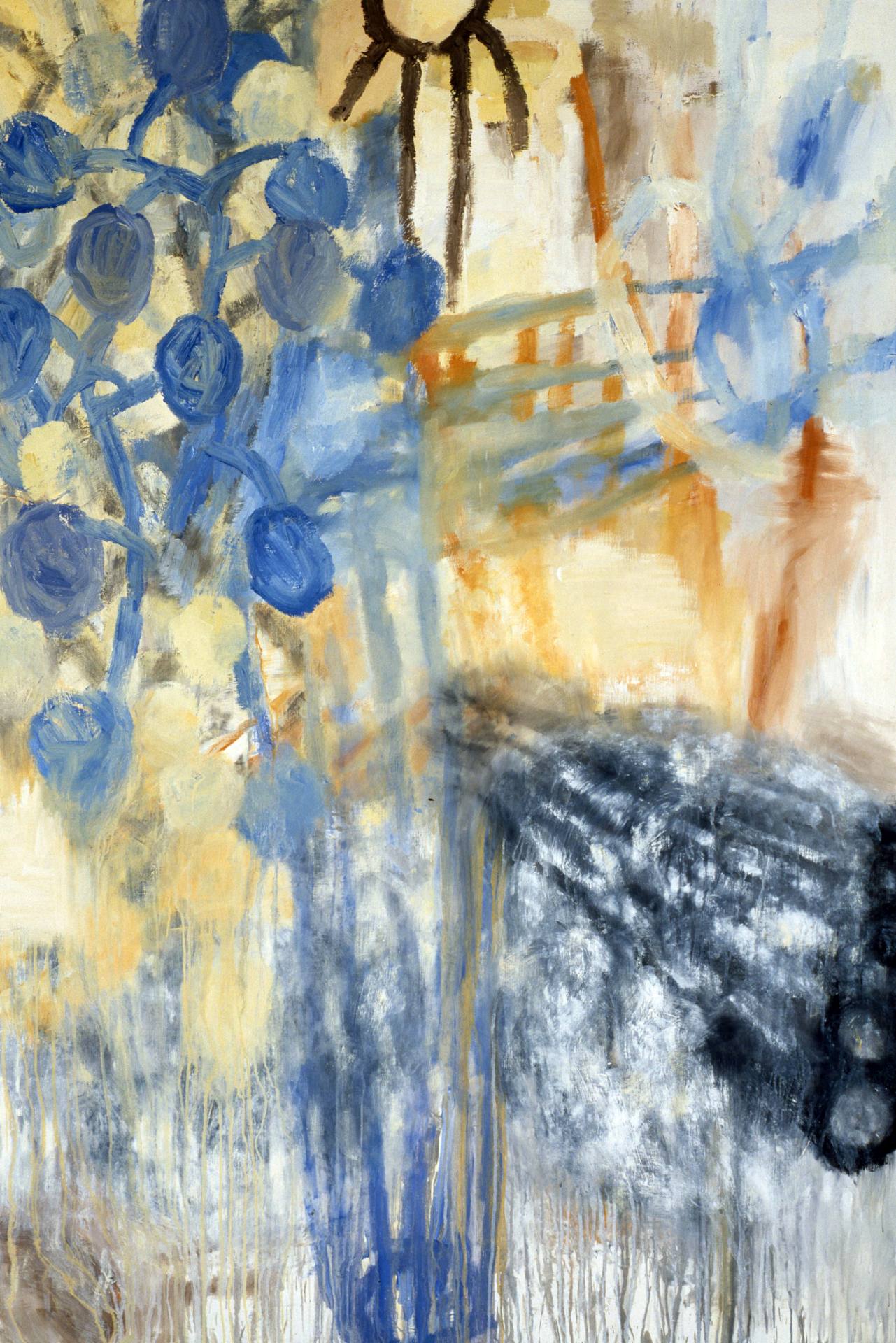
「F-98-10」
「1999年の絵画」