Membrane 2000s – 2010s
Membrane (皮膜) 2000s – 2010s
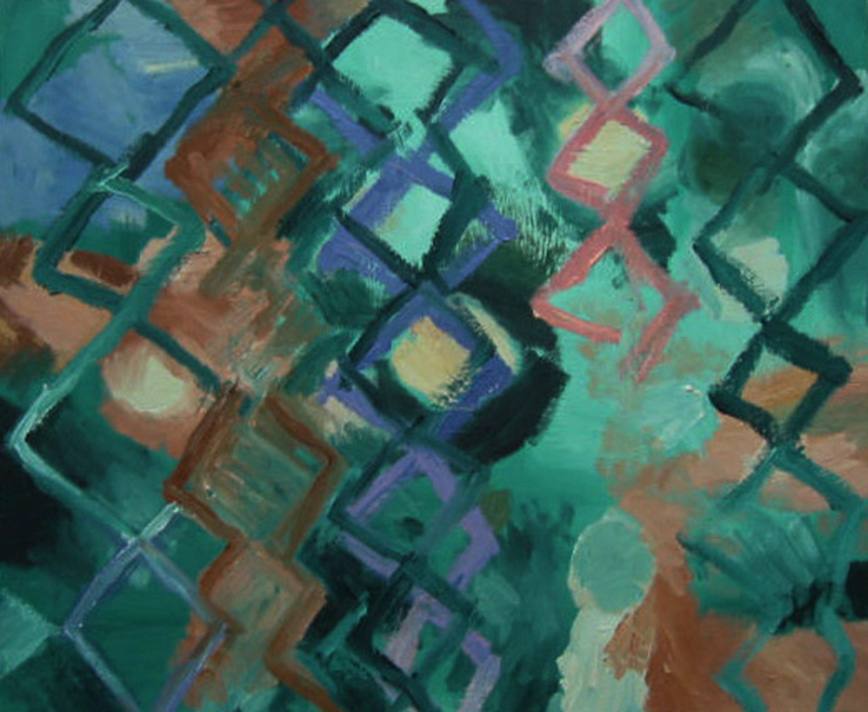
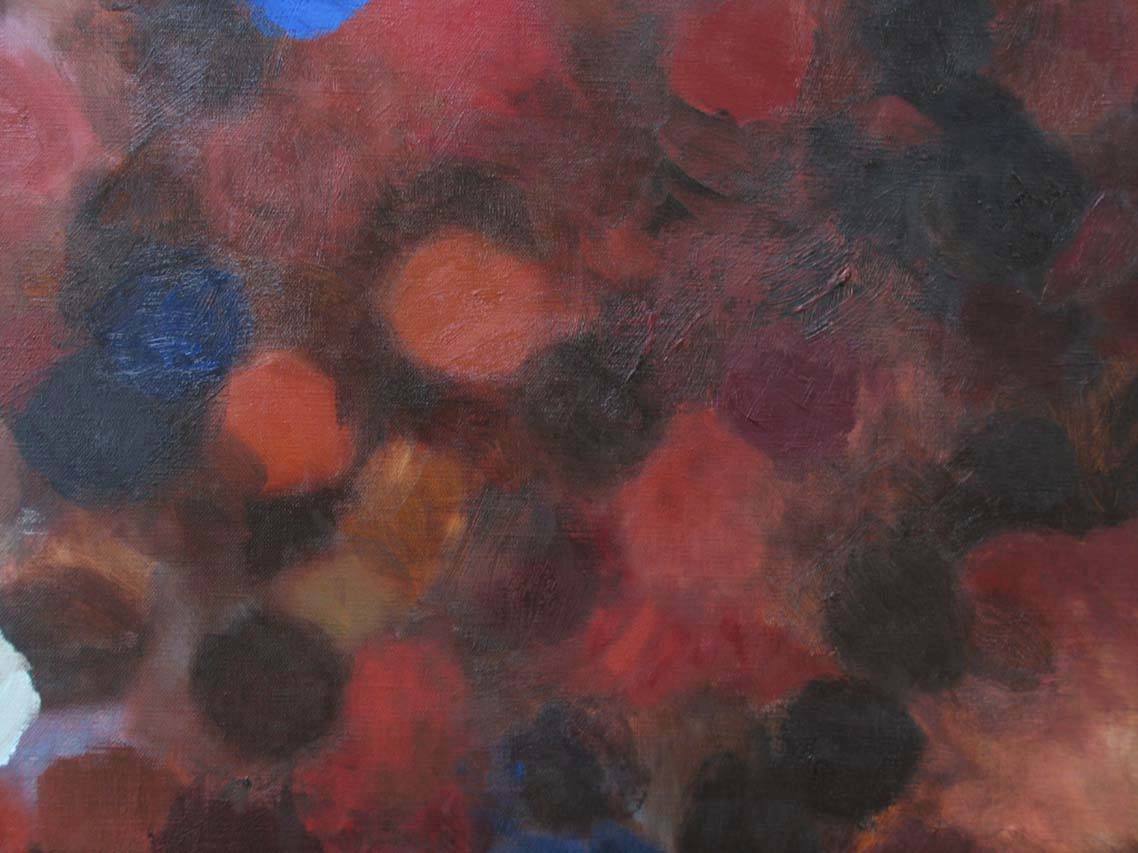
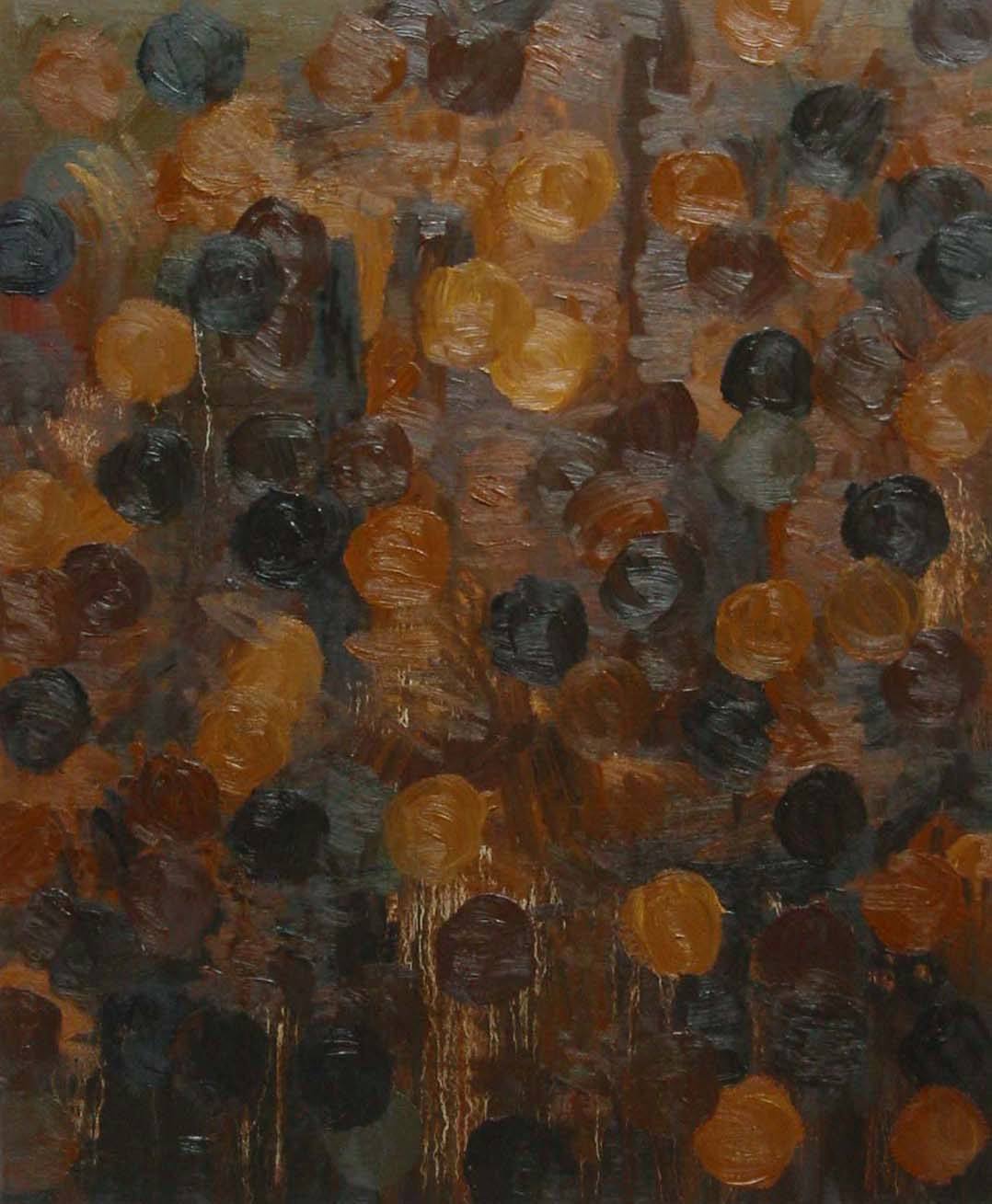
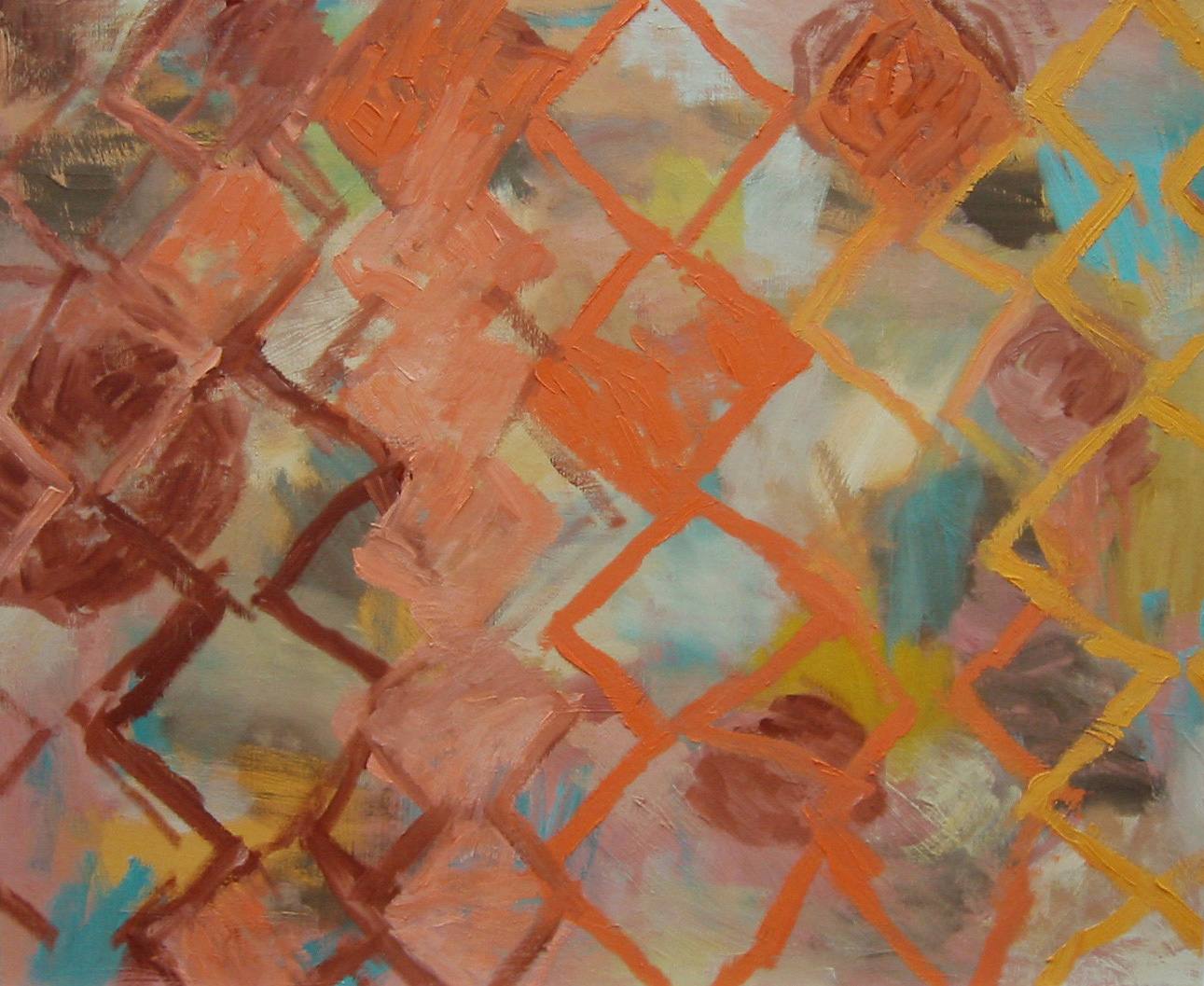
絵画にはその表面が物理的平面であるにもかかわらず、なぜ奥行きが発生するのか?この問いは形式の問題であると同時にそこに発するイリュージョンの問題でもあった。Membraneでは最初に大きな円のかたまりを描き、全体ができたところにより小さな円(点)を描いていった。(円のかわりにフェンス状のかたちを描いたものもある)。ここで言う奥行きとは、遠近法によってできる奥行きのことではなく、塗りの層によってできるそれのことであり、それは空間的なものにとどまらなかった。
これらの作品には「重ね合わせ」の初期のかたちが見られる。小さな点の集合には、この世界のすべてのものは粒子からなるとする量子論からの影響もある。
Membrane 2000s – 2010s
Why does depth emerge within a painting despite its surface being a physical plane? This inquiry was simultaneously a question of formalism and a question of the illusion generated from it. In Membrane, Nagasawa initially drew a large mass of circles, and once the overall composition was established, proceeded to paint smaller circles (dots) over it. (In some works, a fence-like structure was drawn instead of circles). The “depth” referred to here is not the spatial depth produced by linear perspective, but rather a depth generated by the layers of paint—one that does not remain confined to the spatial realm. These works exhibit the nascent form of “superposition.” The constellation of small dots also reflects the influence of quantum theory, which posits that everything in this universe is composed of elementary particles.

「皮膜9」
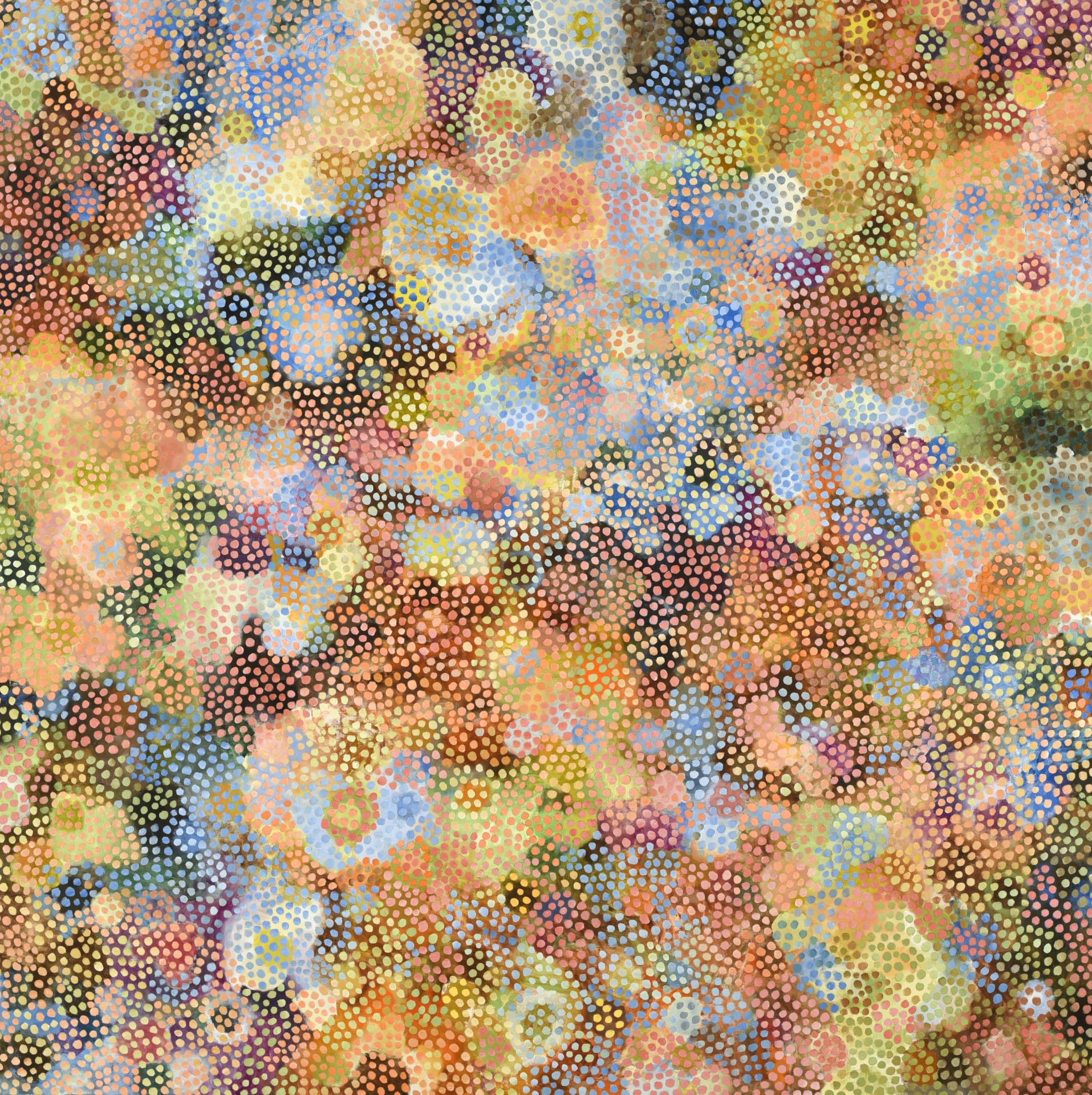
「C-00-81」

「C-00-81 」部分

「C-01-93」
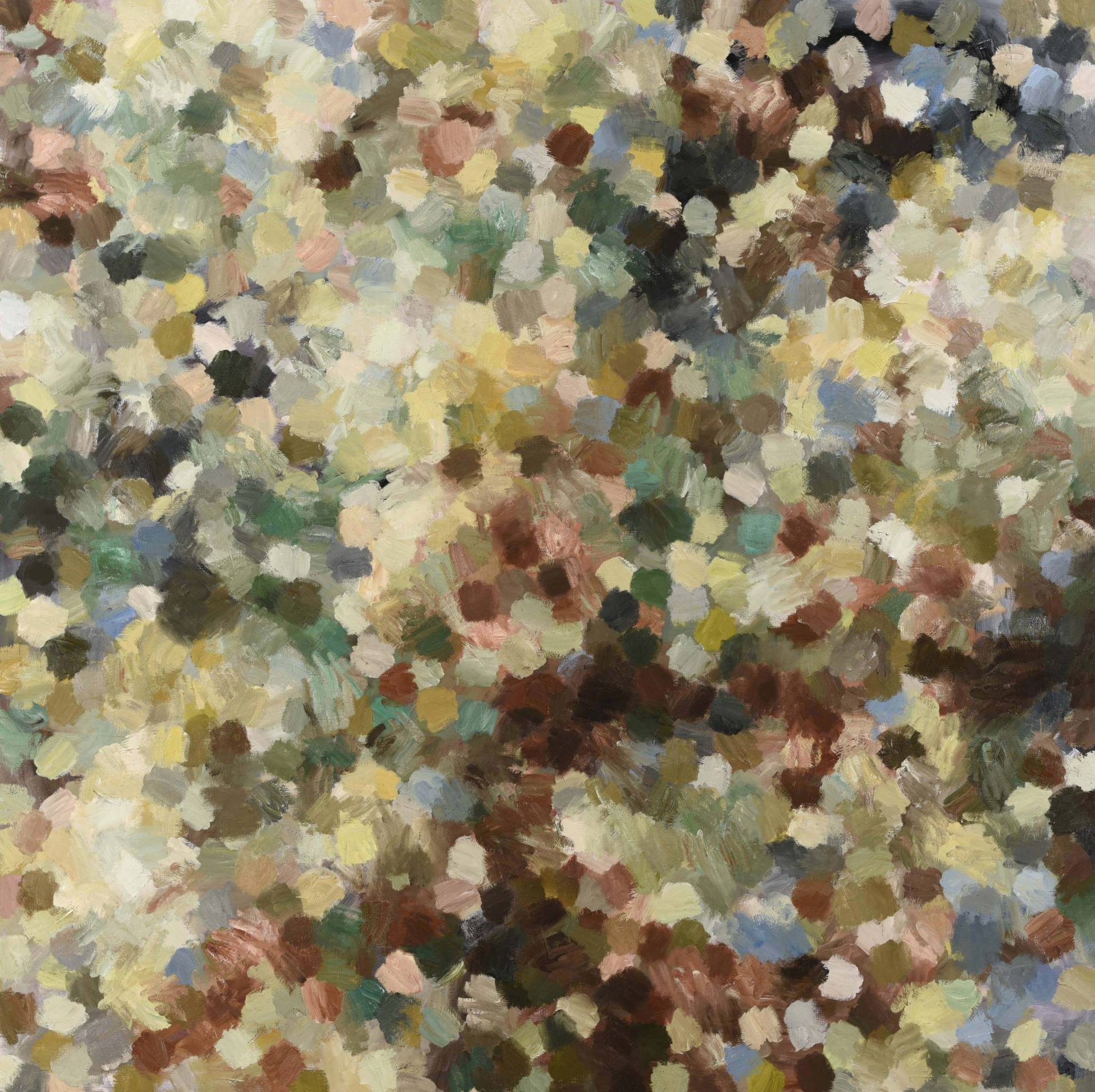
「C-01-93」部分
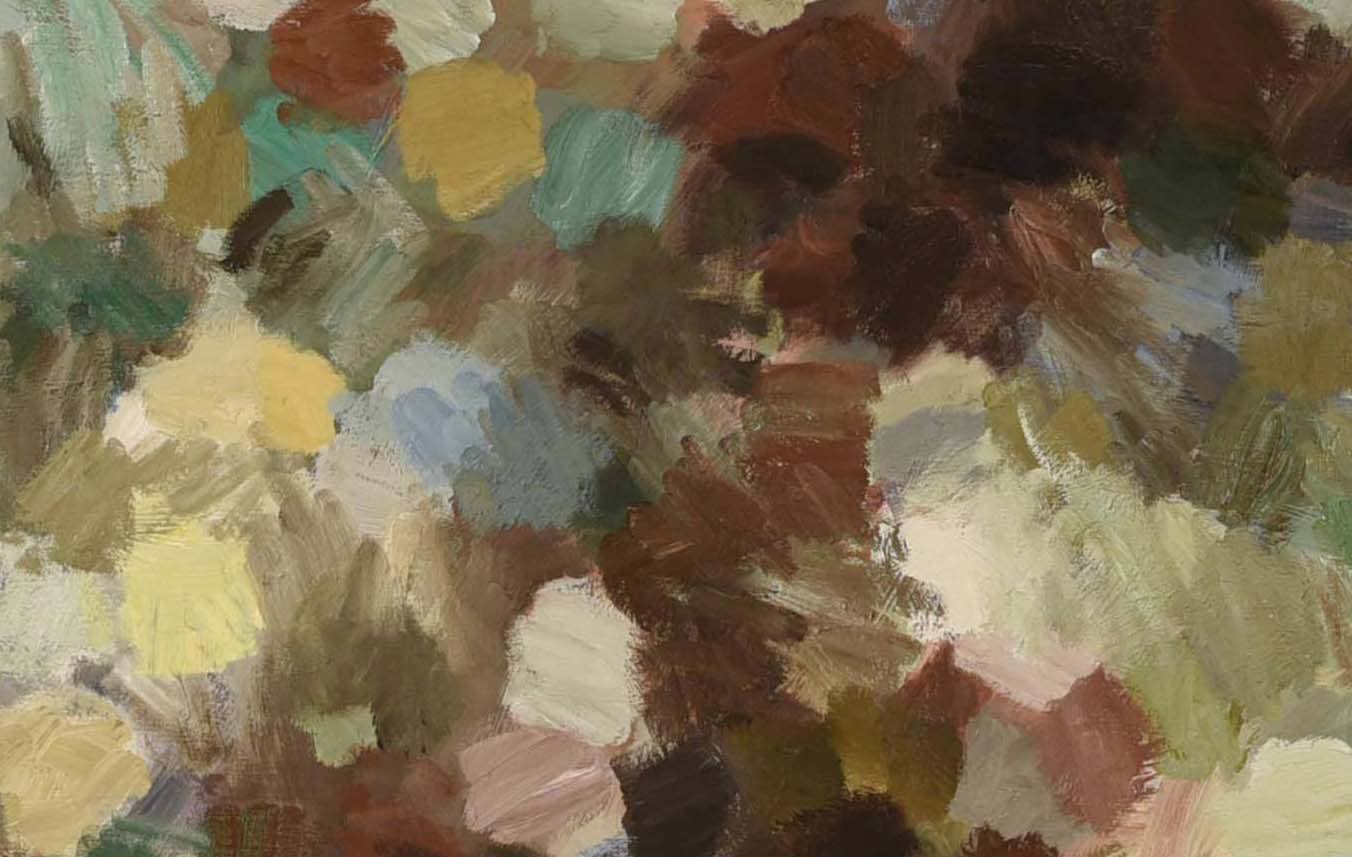
「C−99−35」
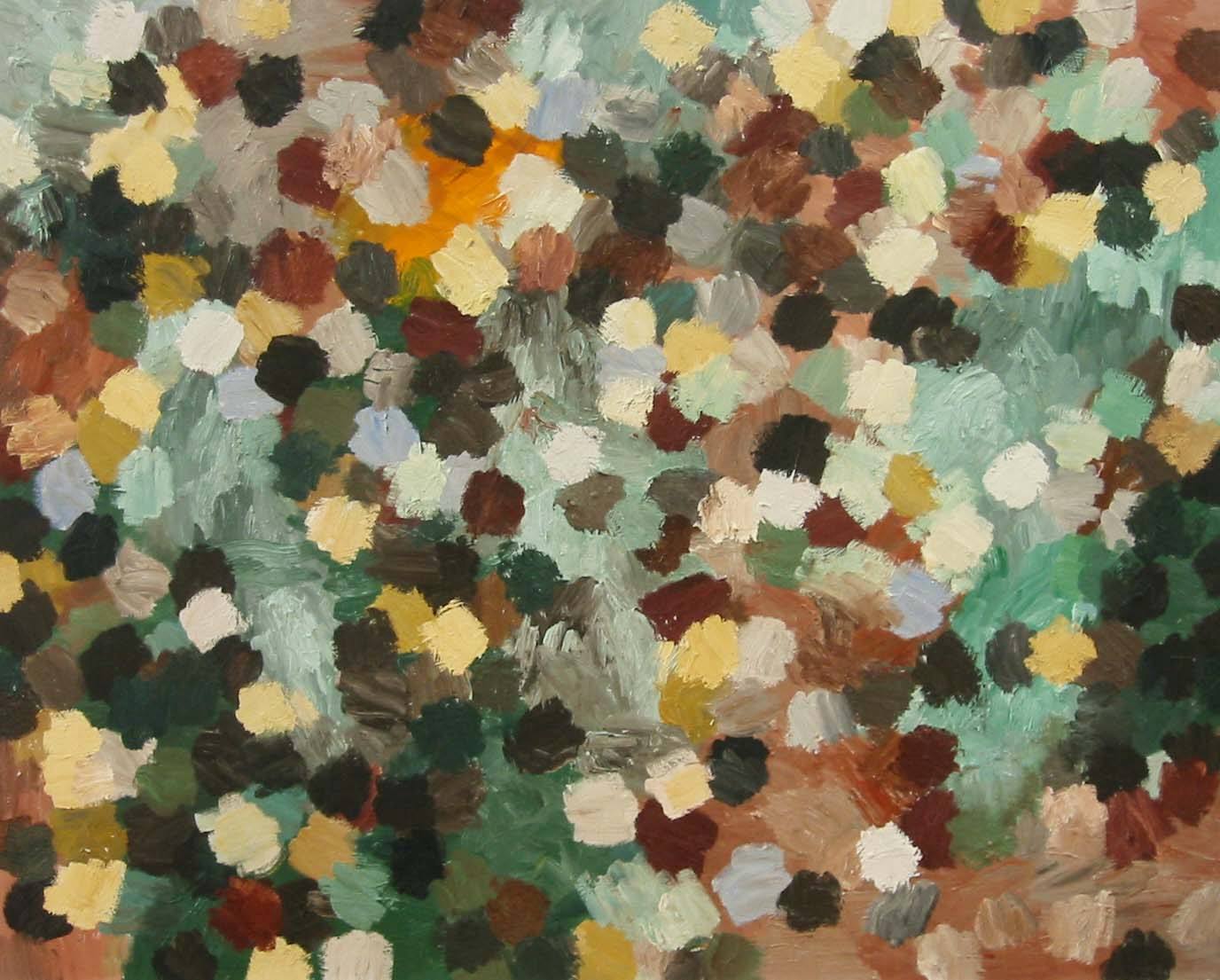
「C-04-10」

「C-04-11」

「C-04-17」
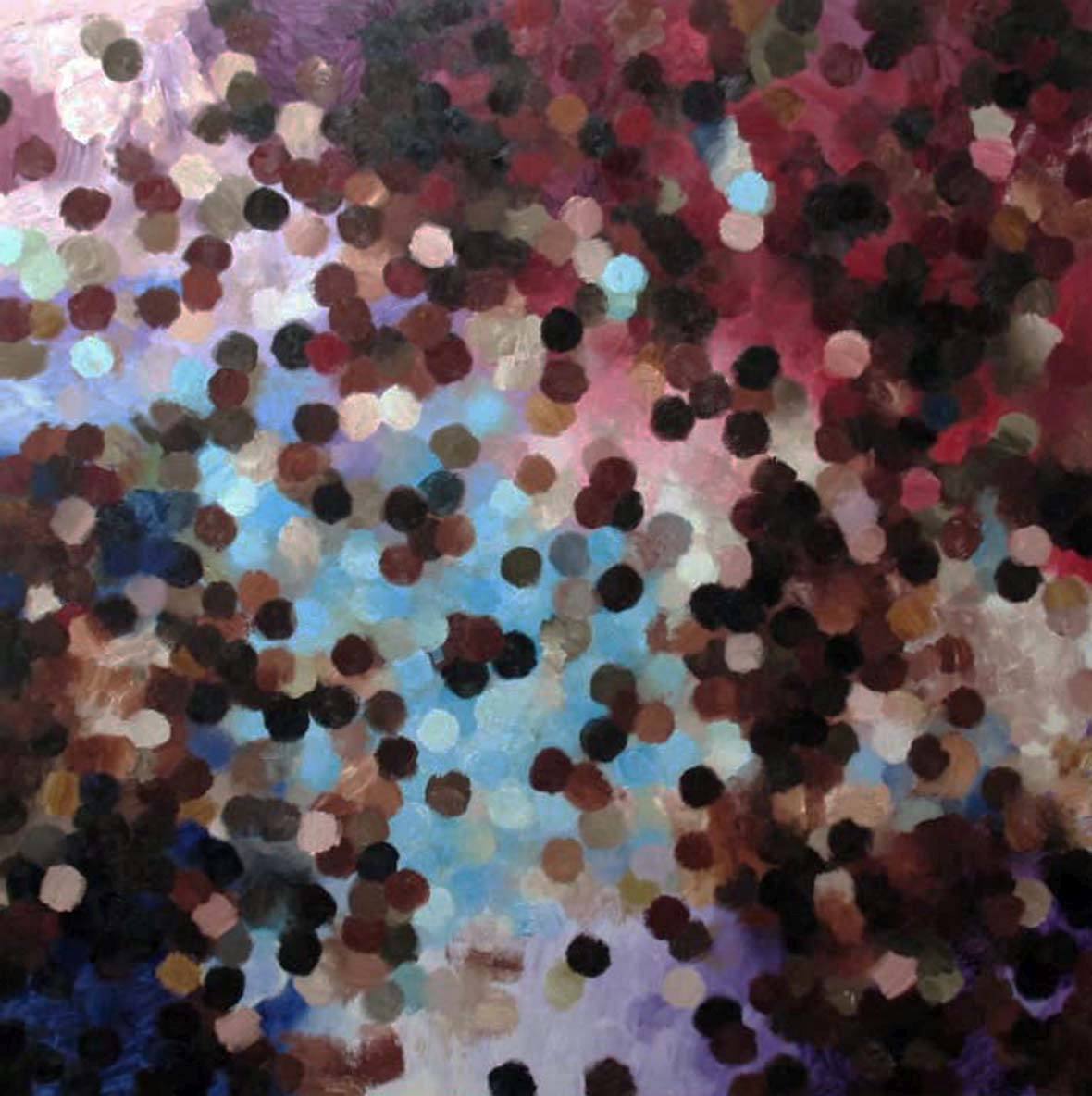
「C-04-18」

「C-04-18」部分
IMG_0068
IMG_0067
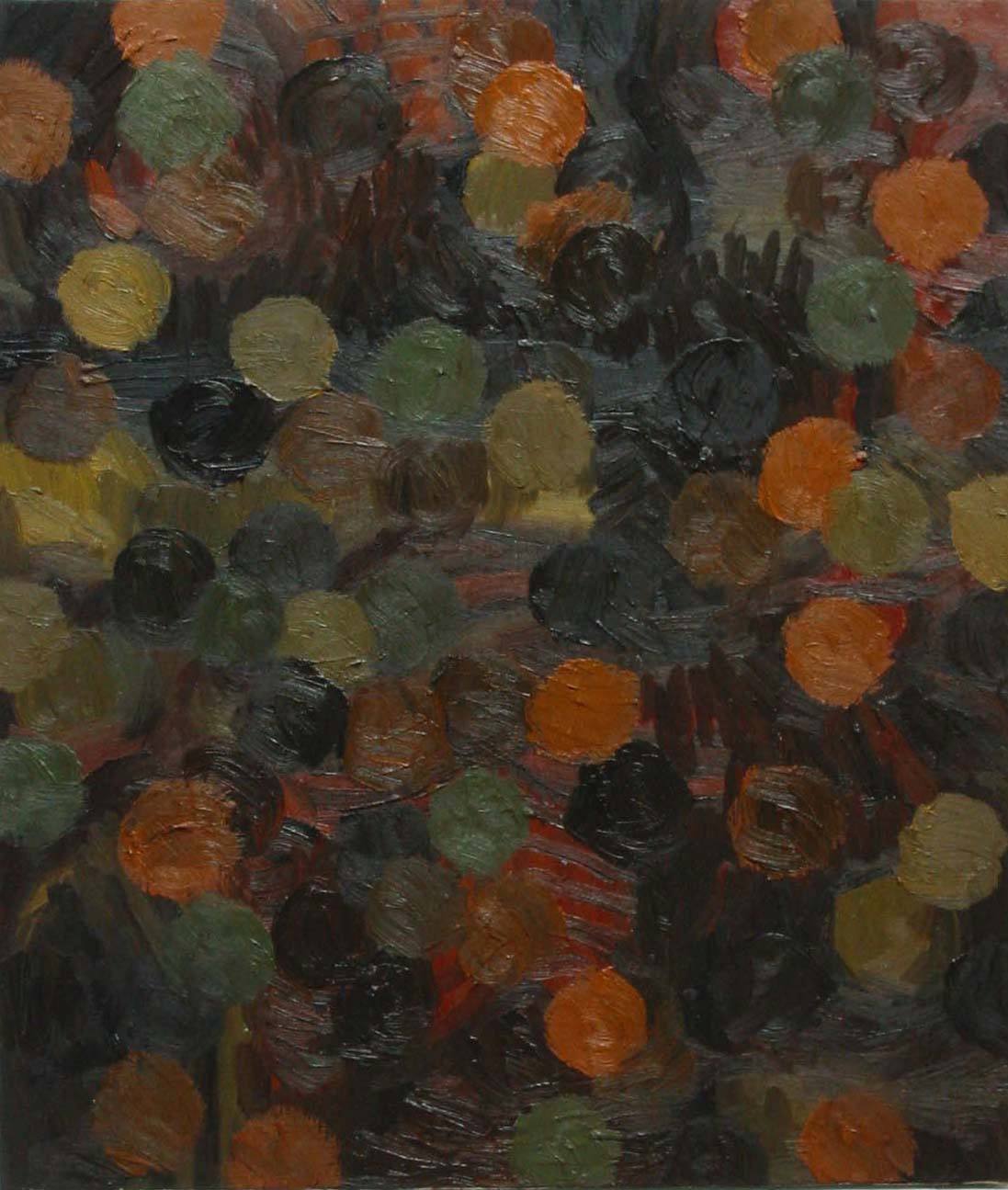
「皮膜1」
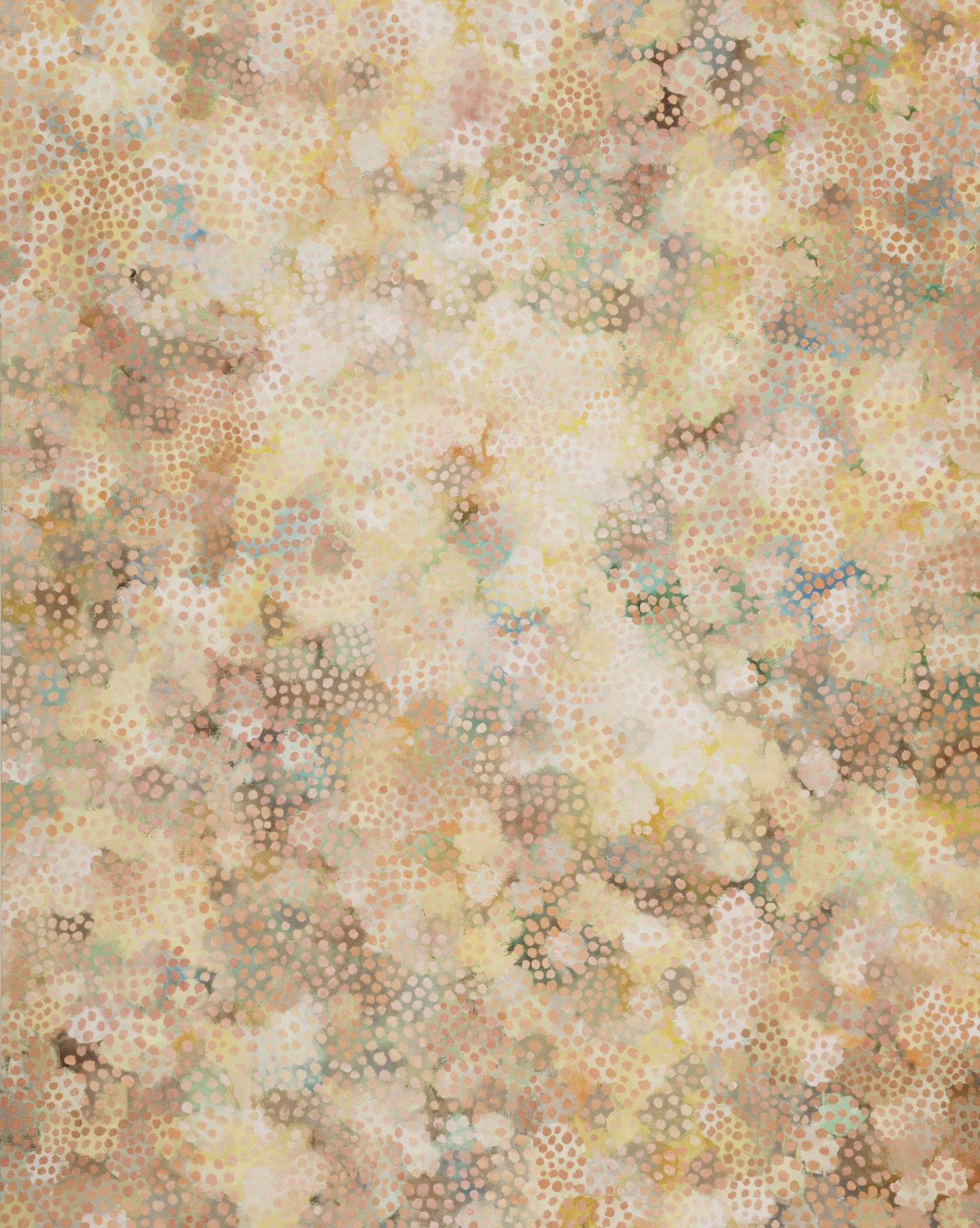
「皮膜2」
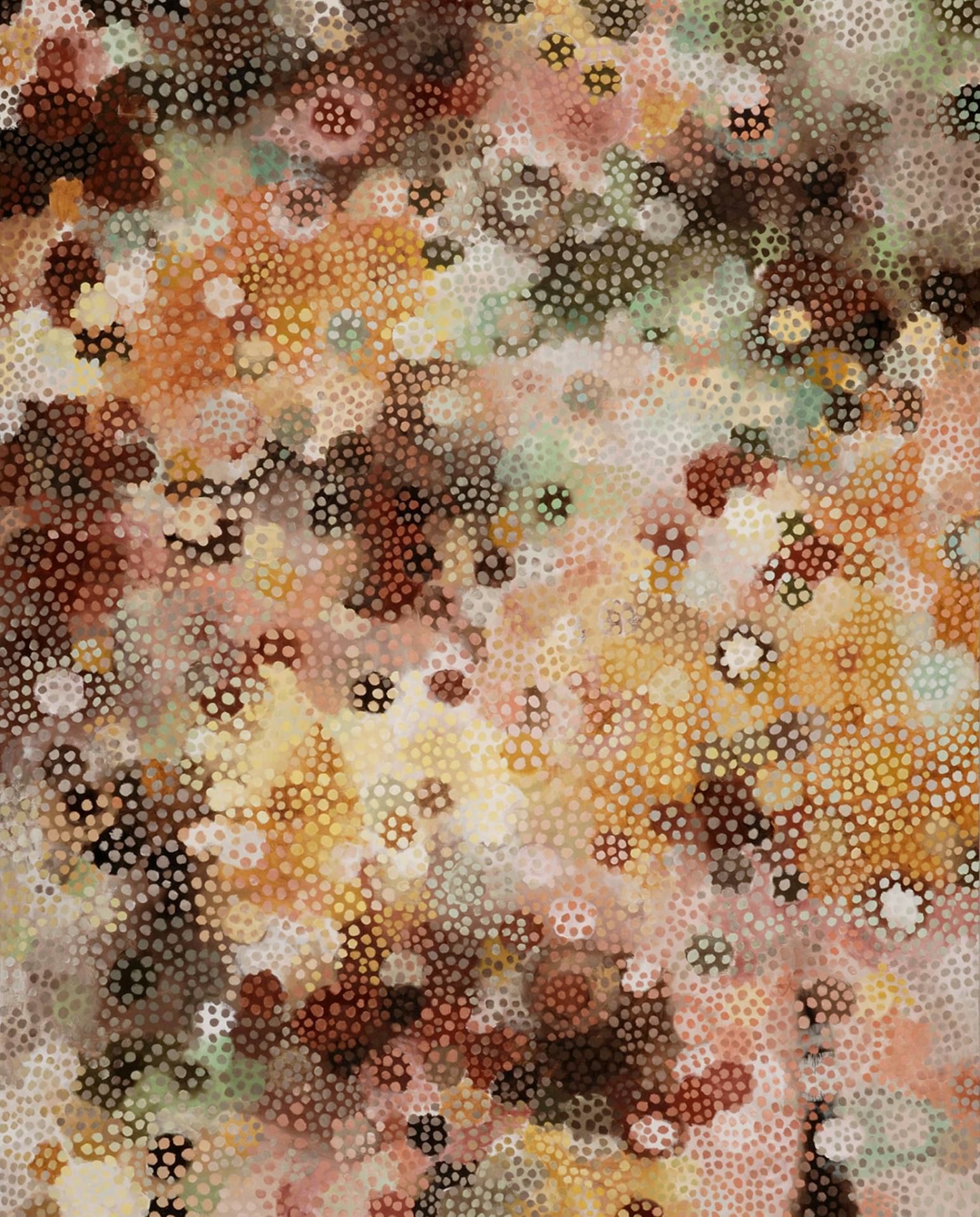
「皮膜5」

「皮膜5」部分
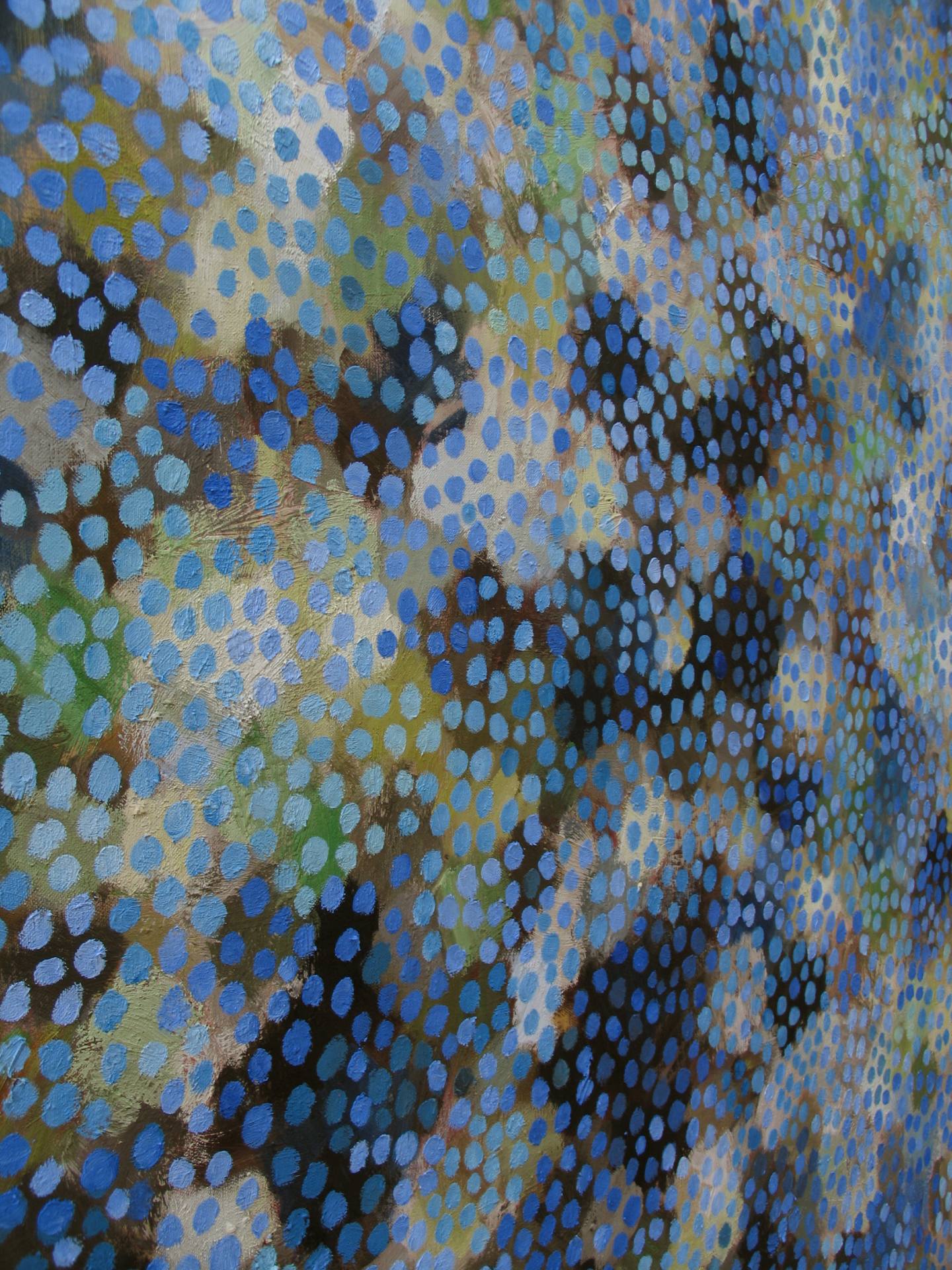
「皮膜9」「未来の幽霊」展
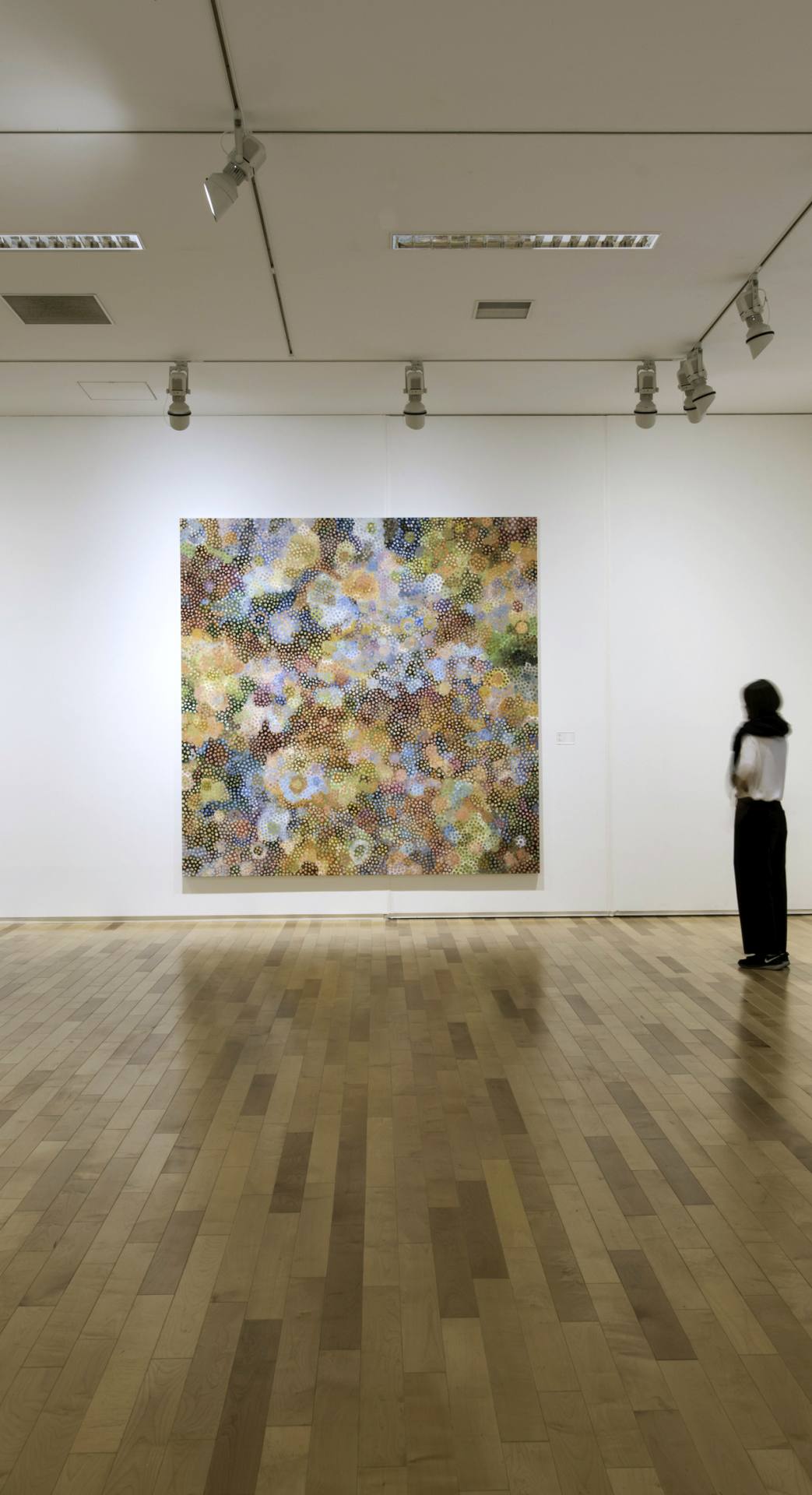
「皮膜10」
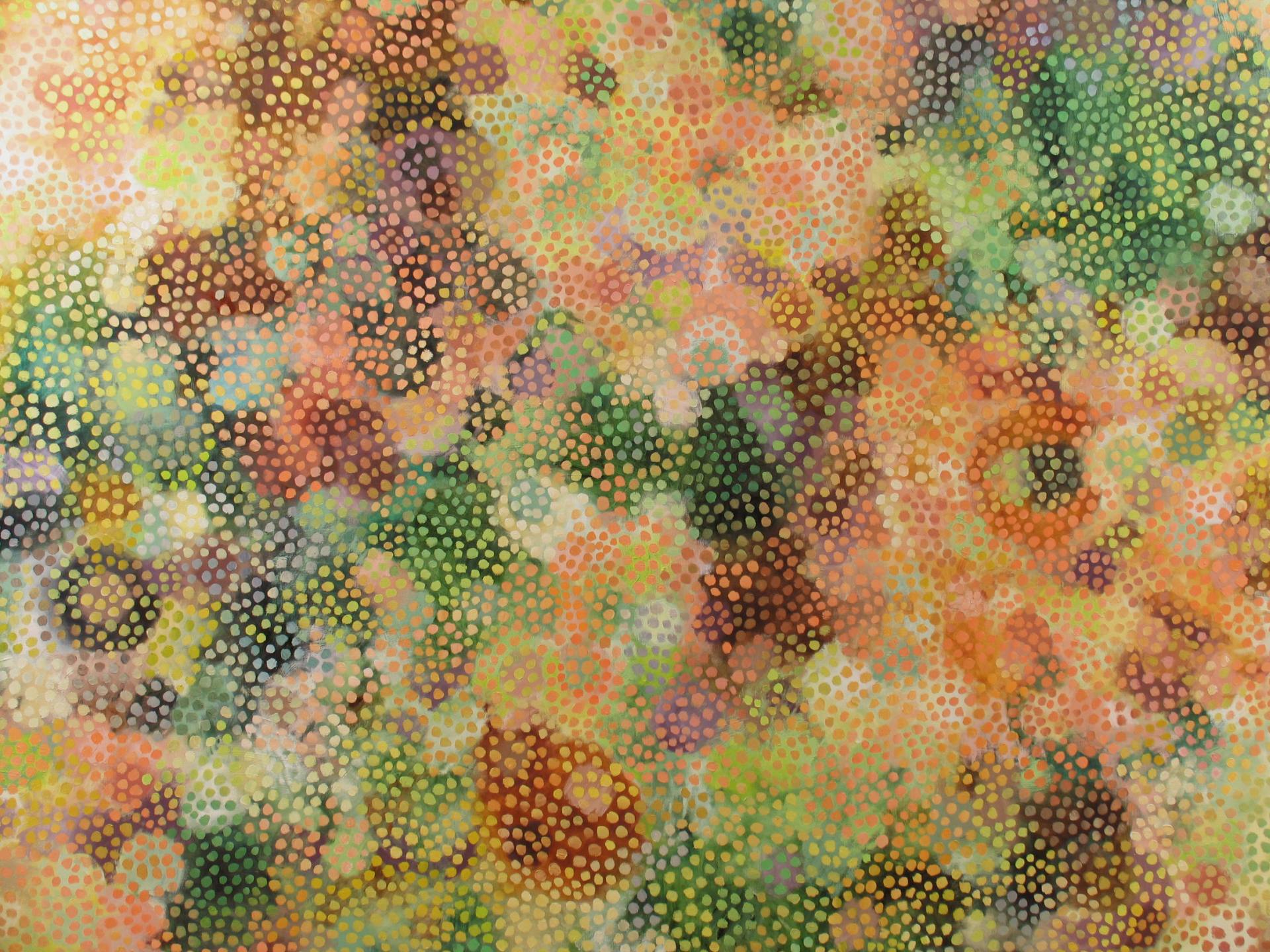
IMG_0044
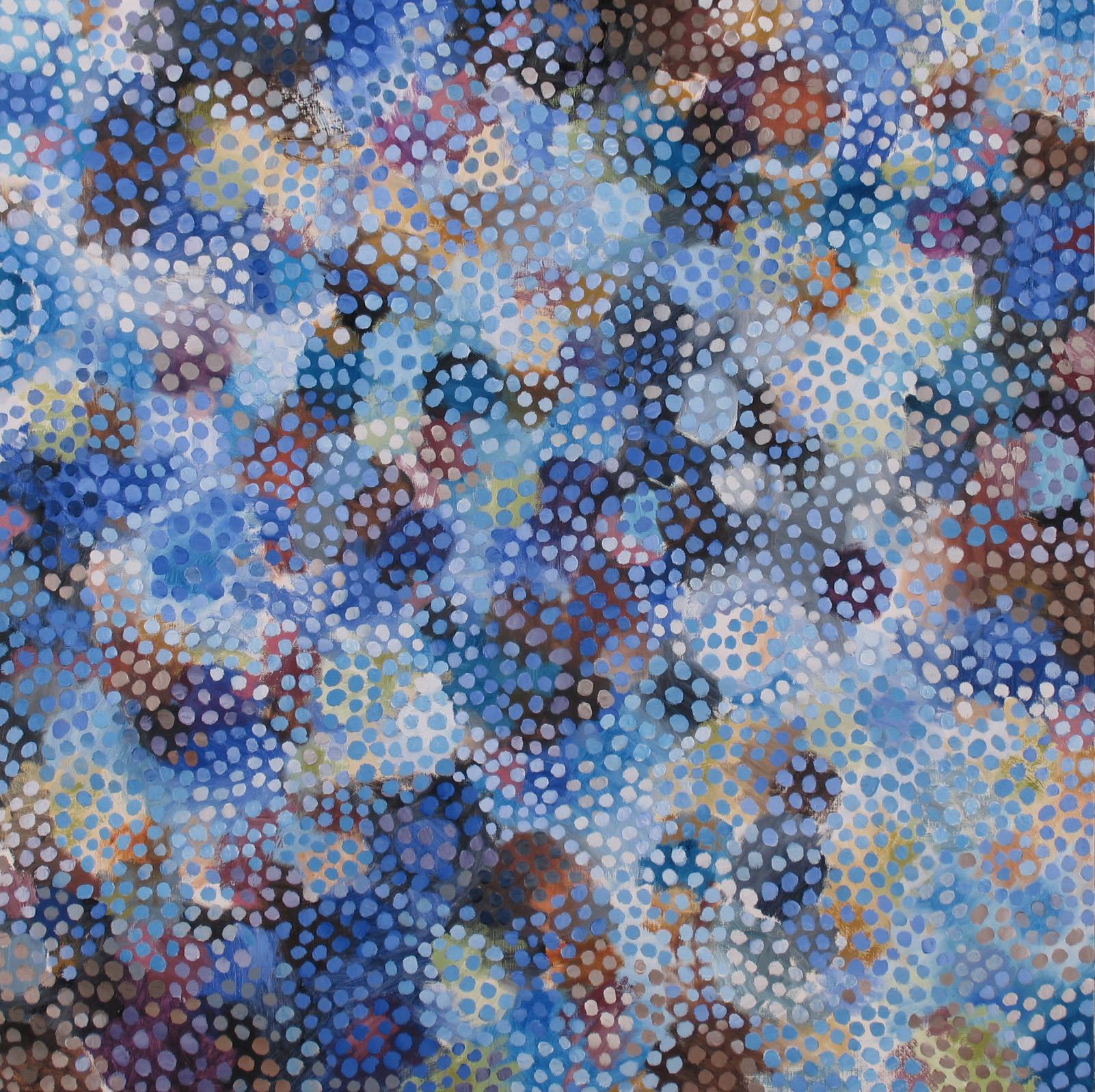
皮膜6
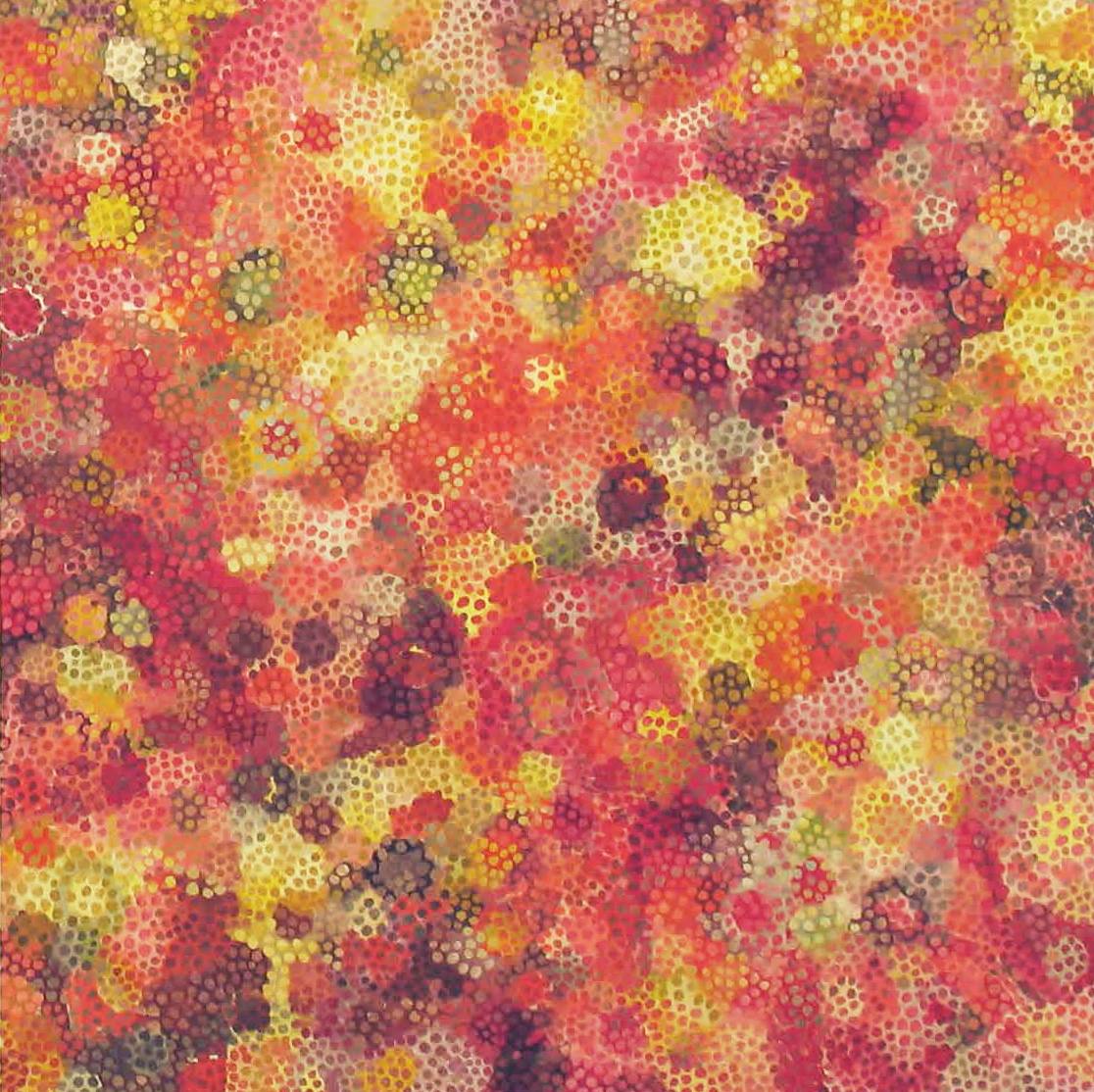
「皮膜6」部分
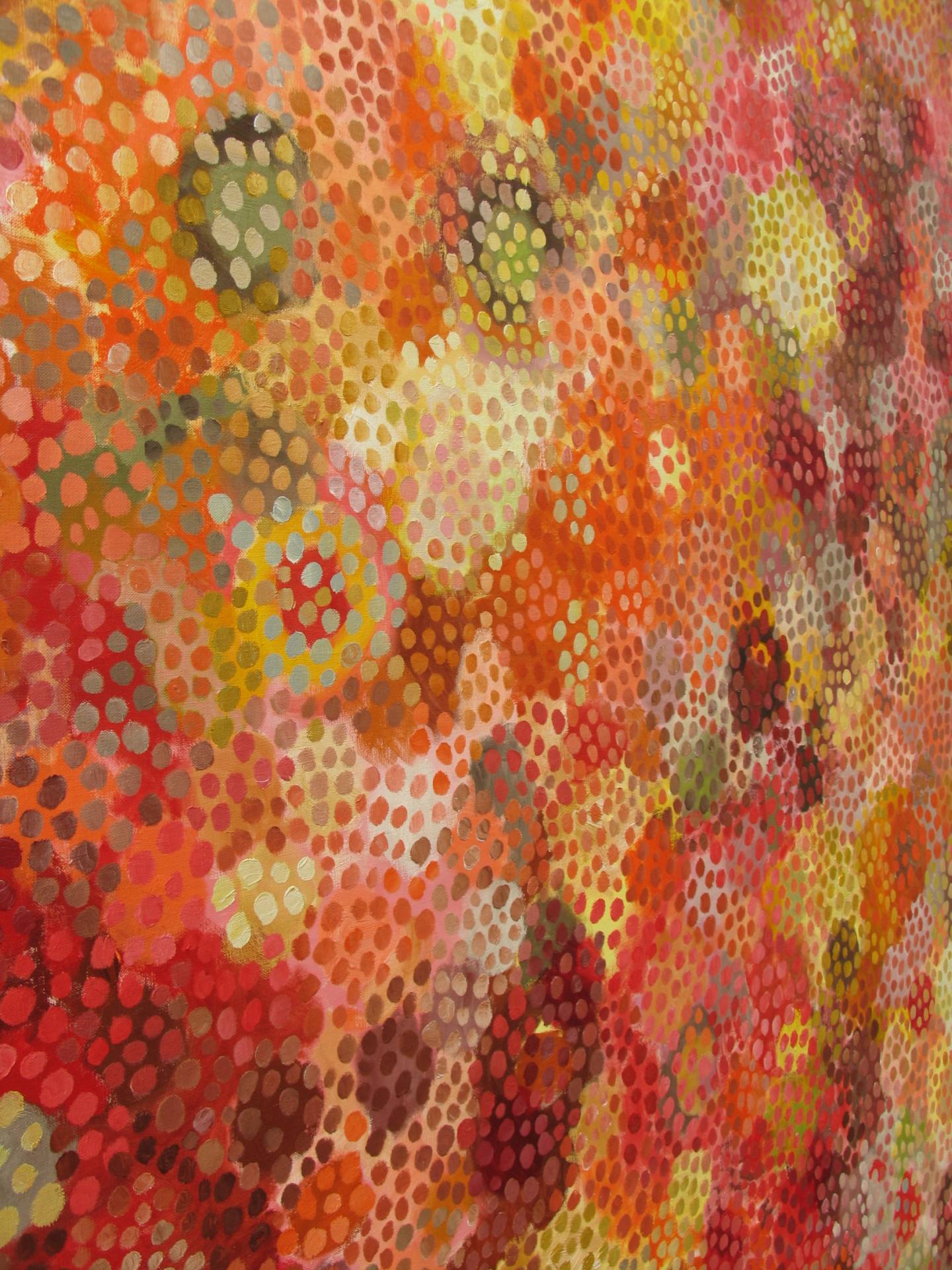
「皮膜7」
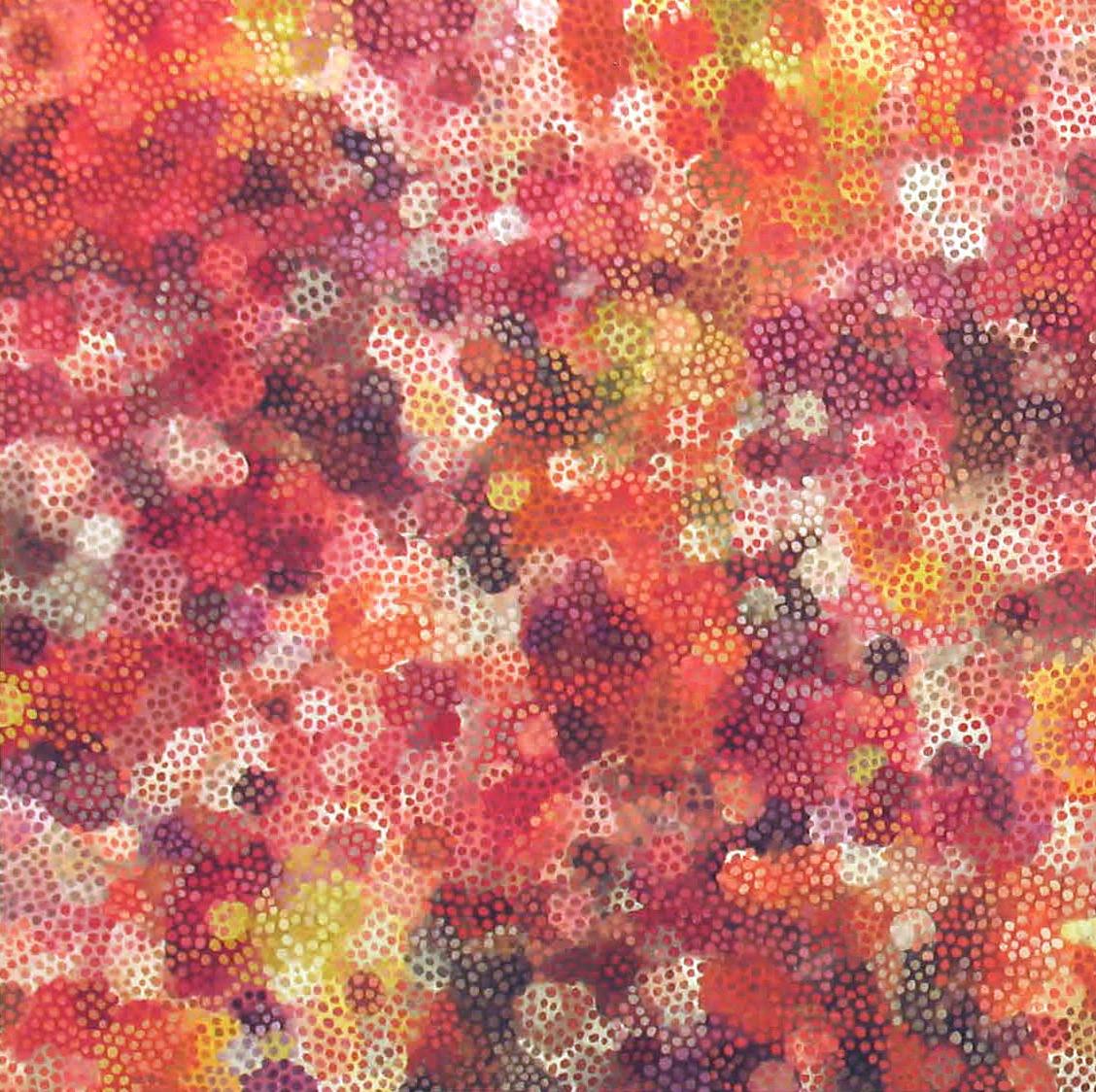
「皮膜7」部分
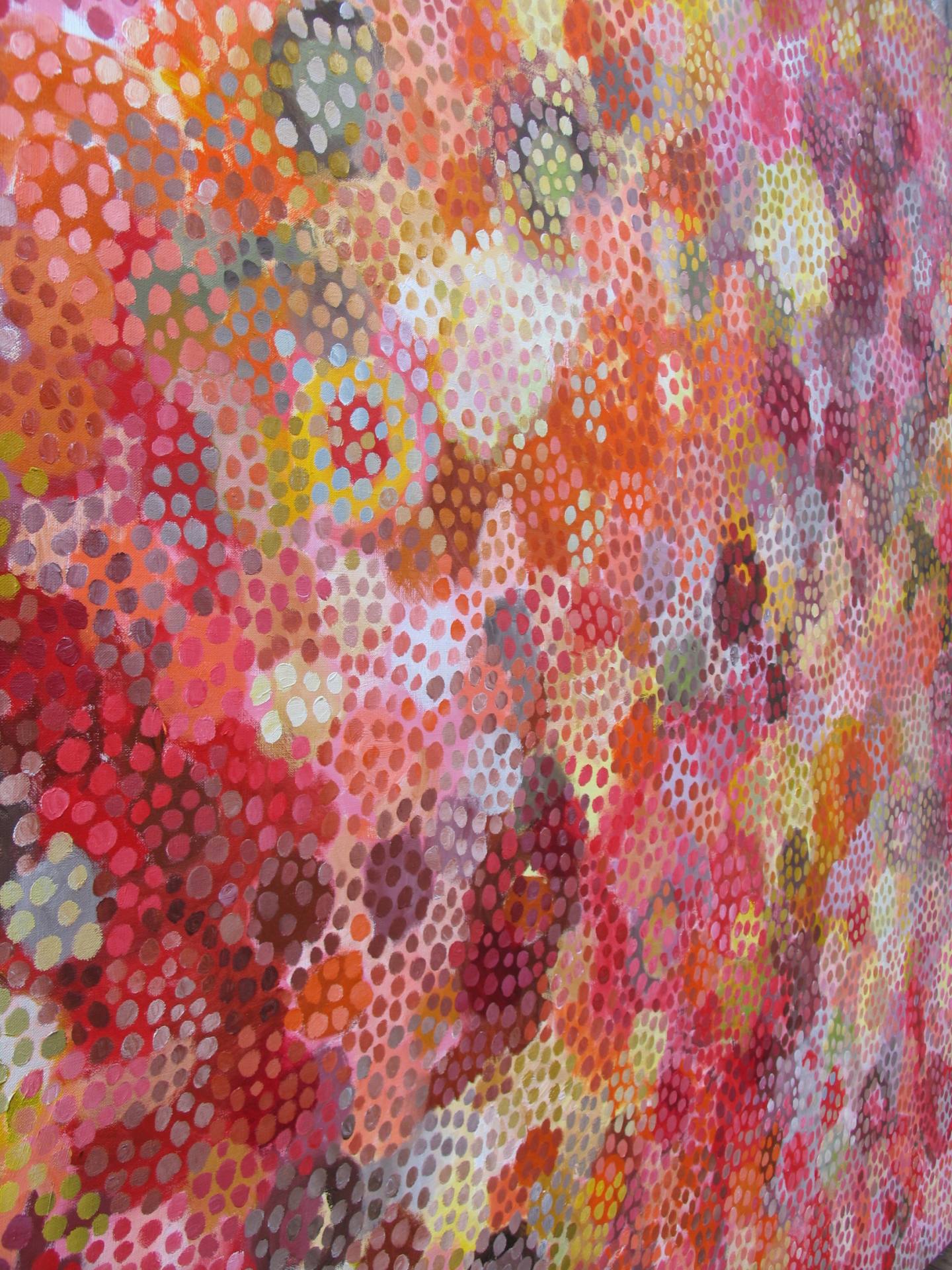
「皮膜6」「皮膜7」「絵の力」展
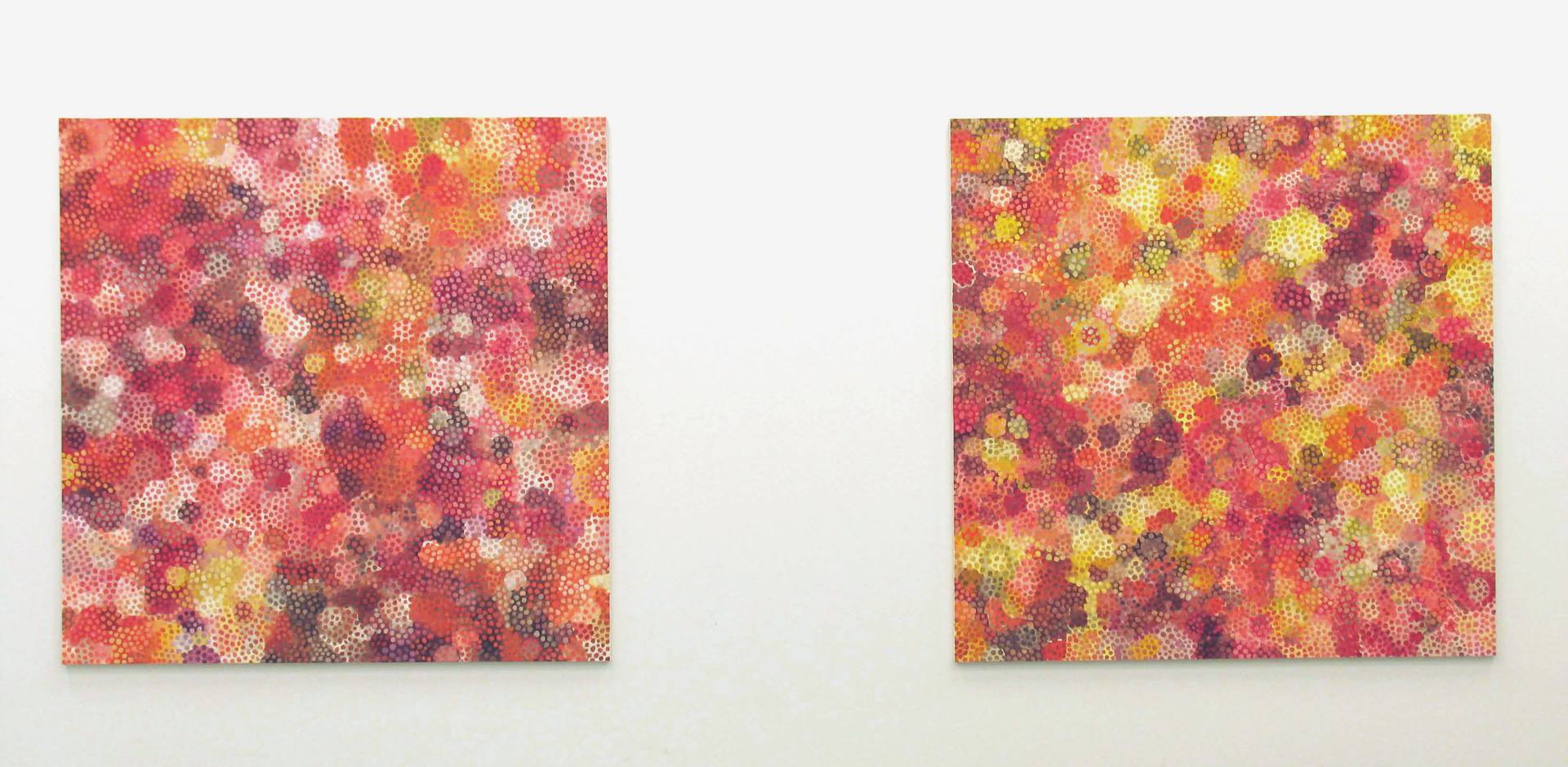
P04_Mb_026
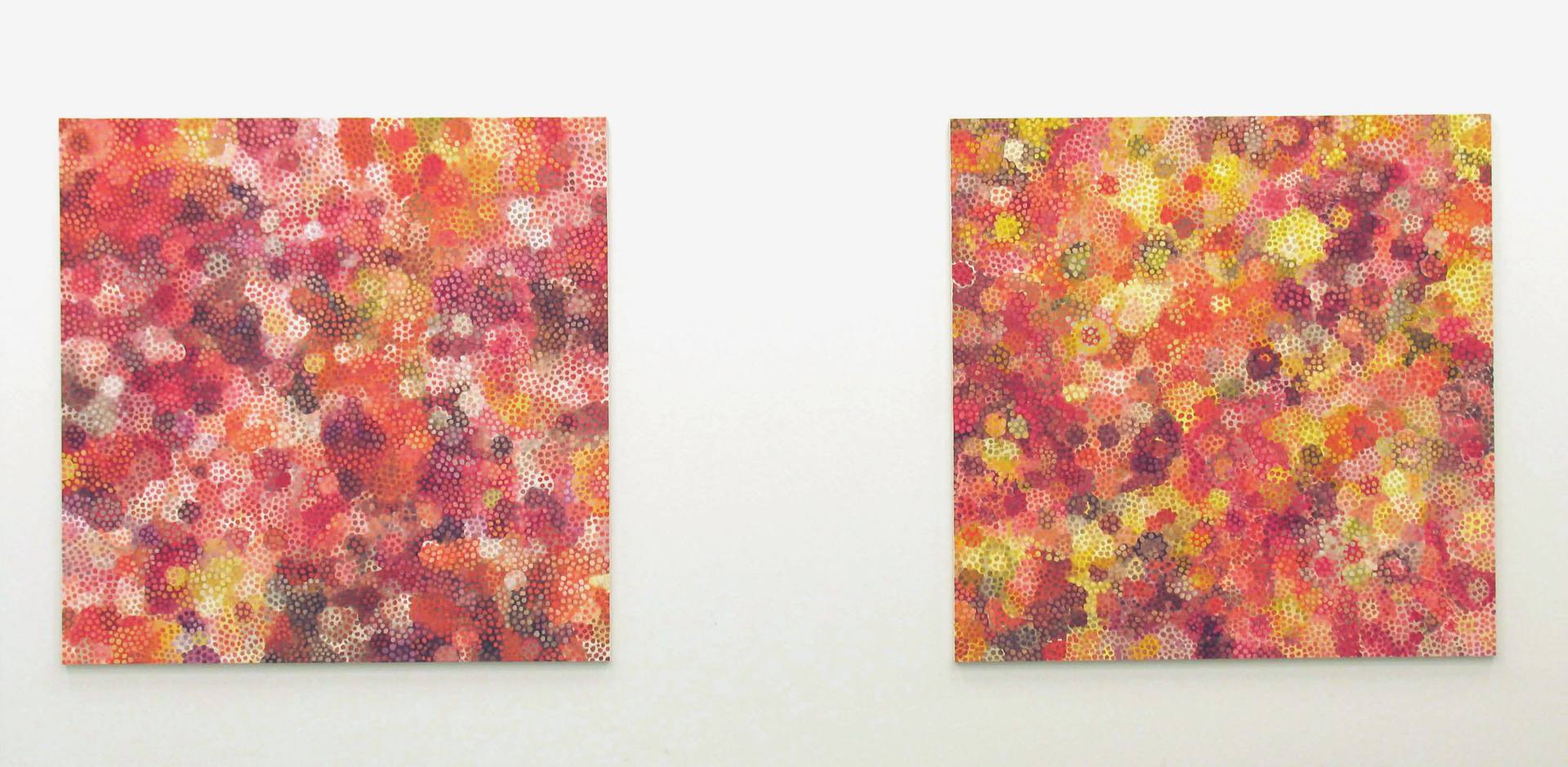
「皮膜」
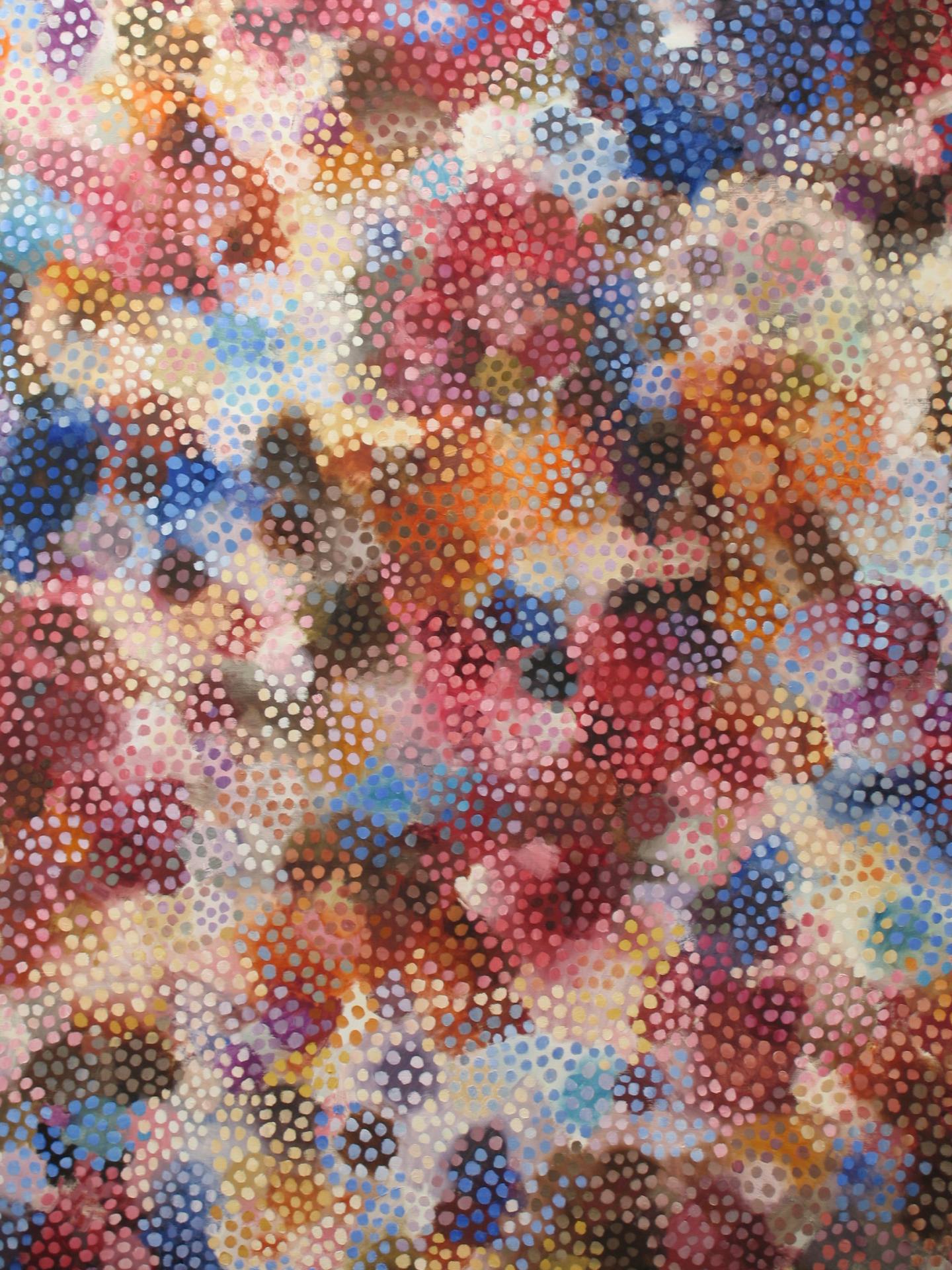
「皮膜11」
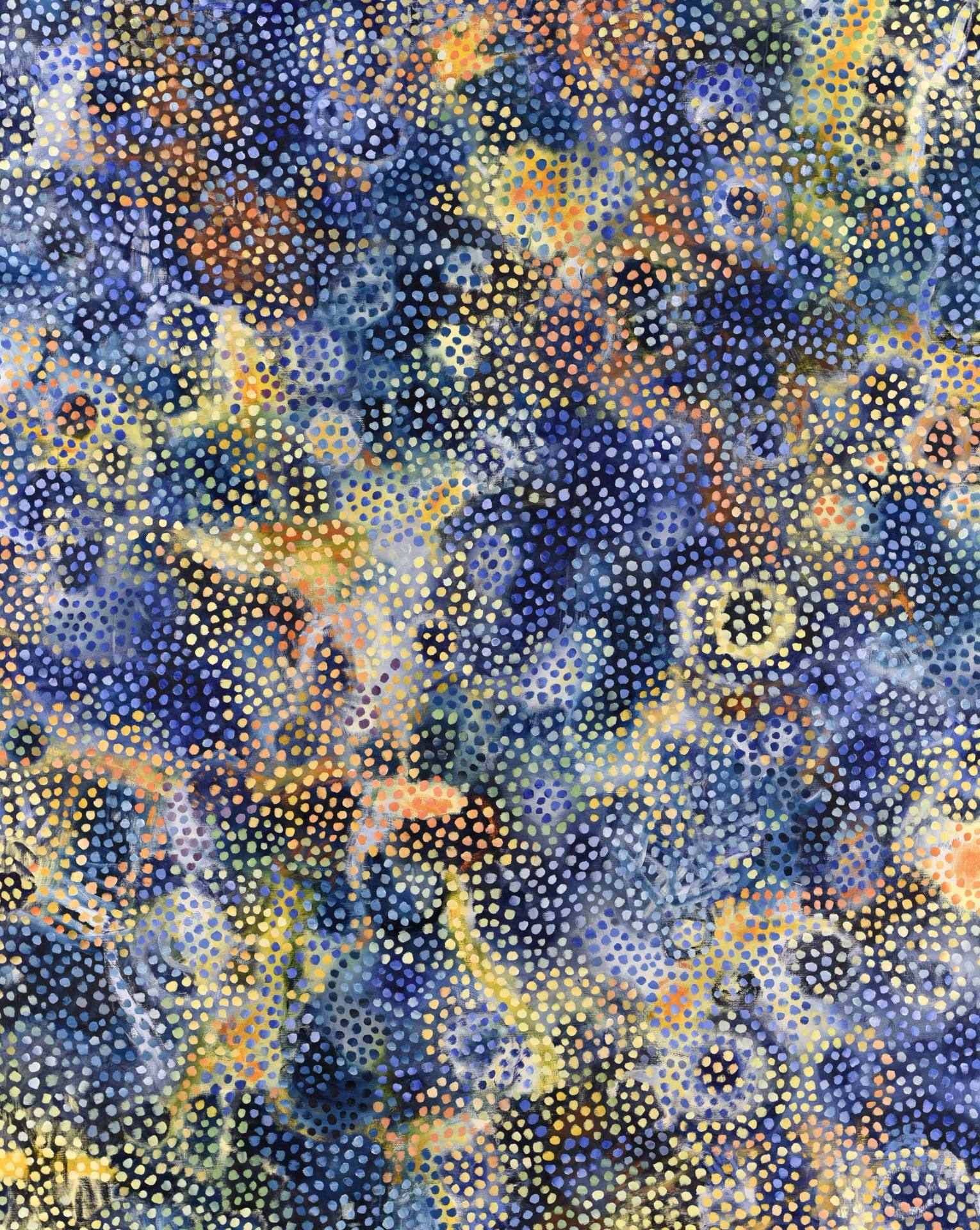
「皮膜12」
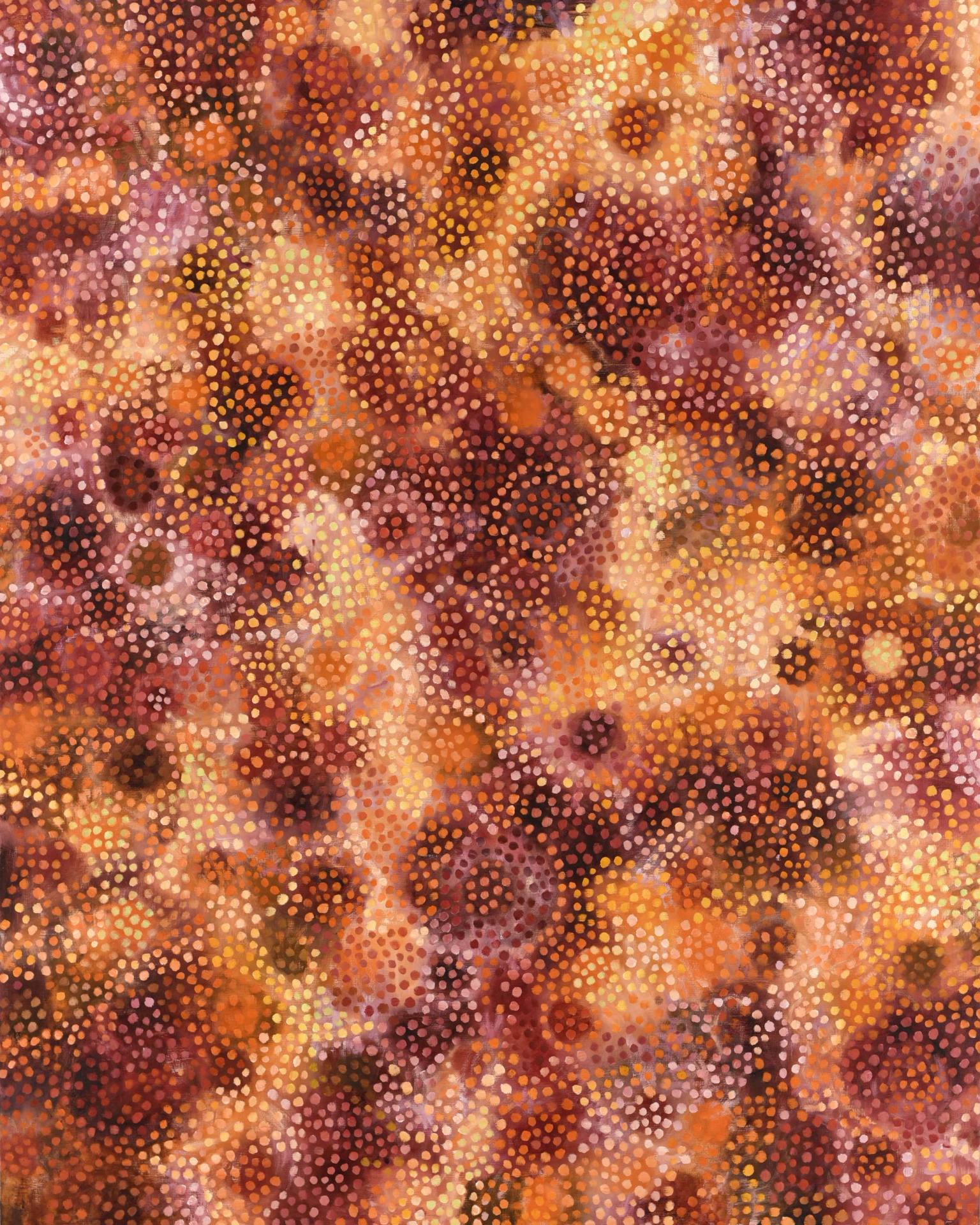
「皮膜12」部分
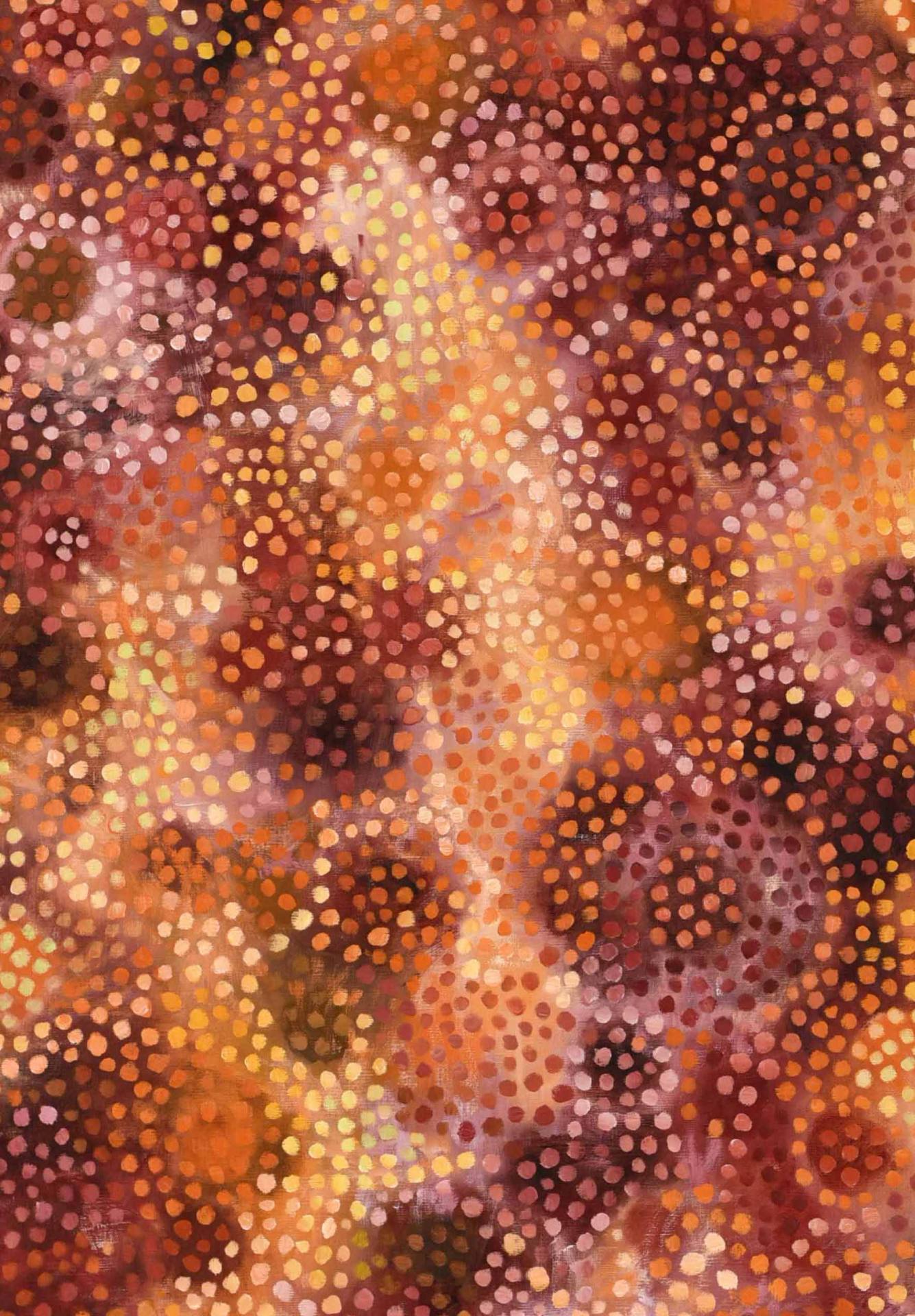
「C-02-15」
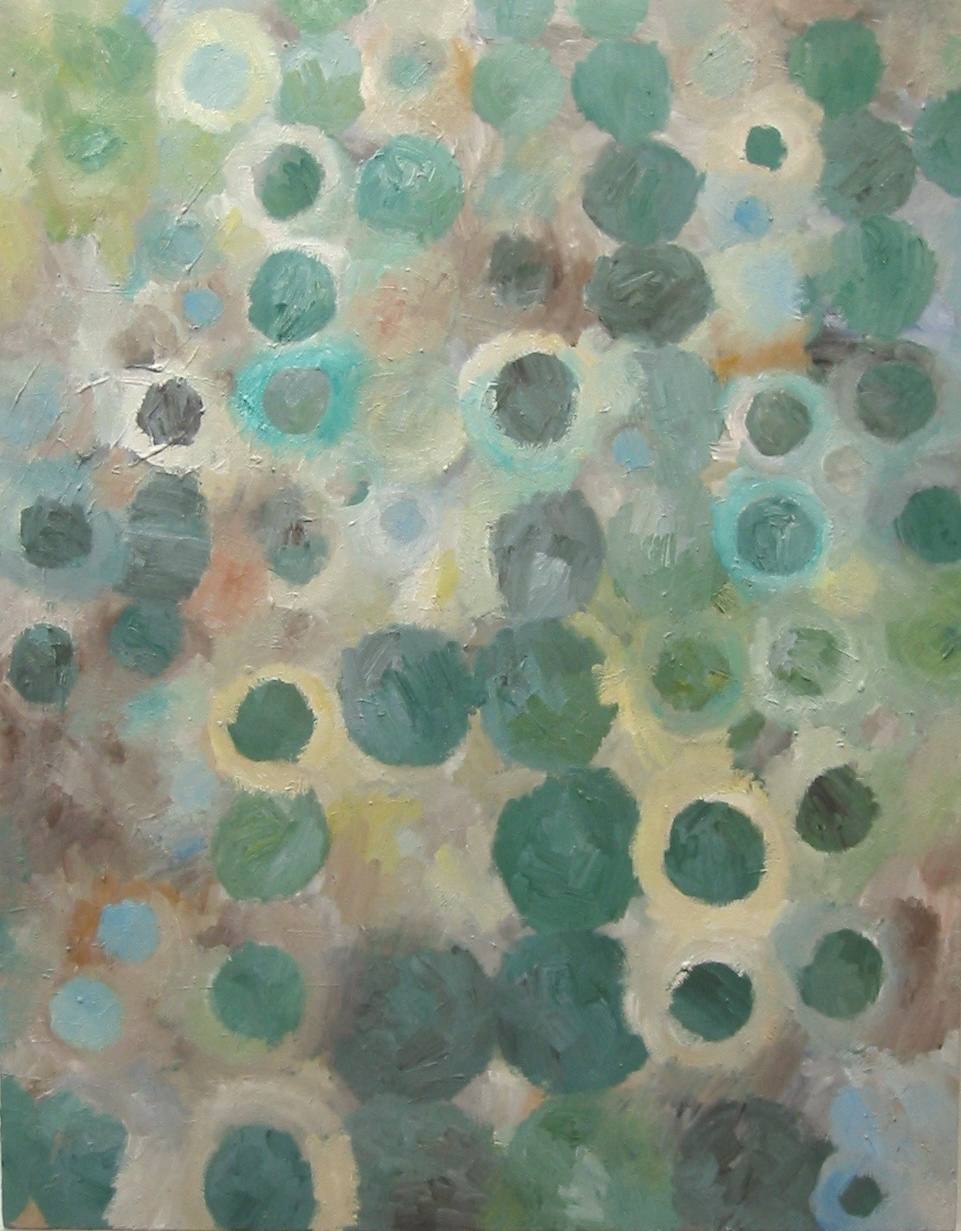
「L-03-4」

「L-03-4」部分

「L-98-12」
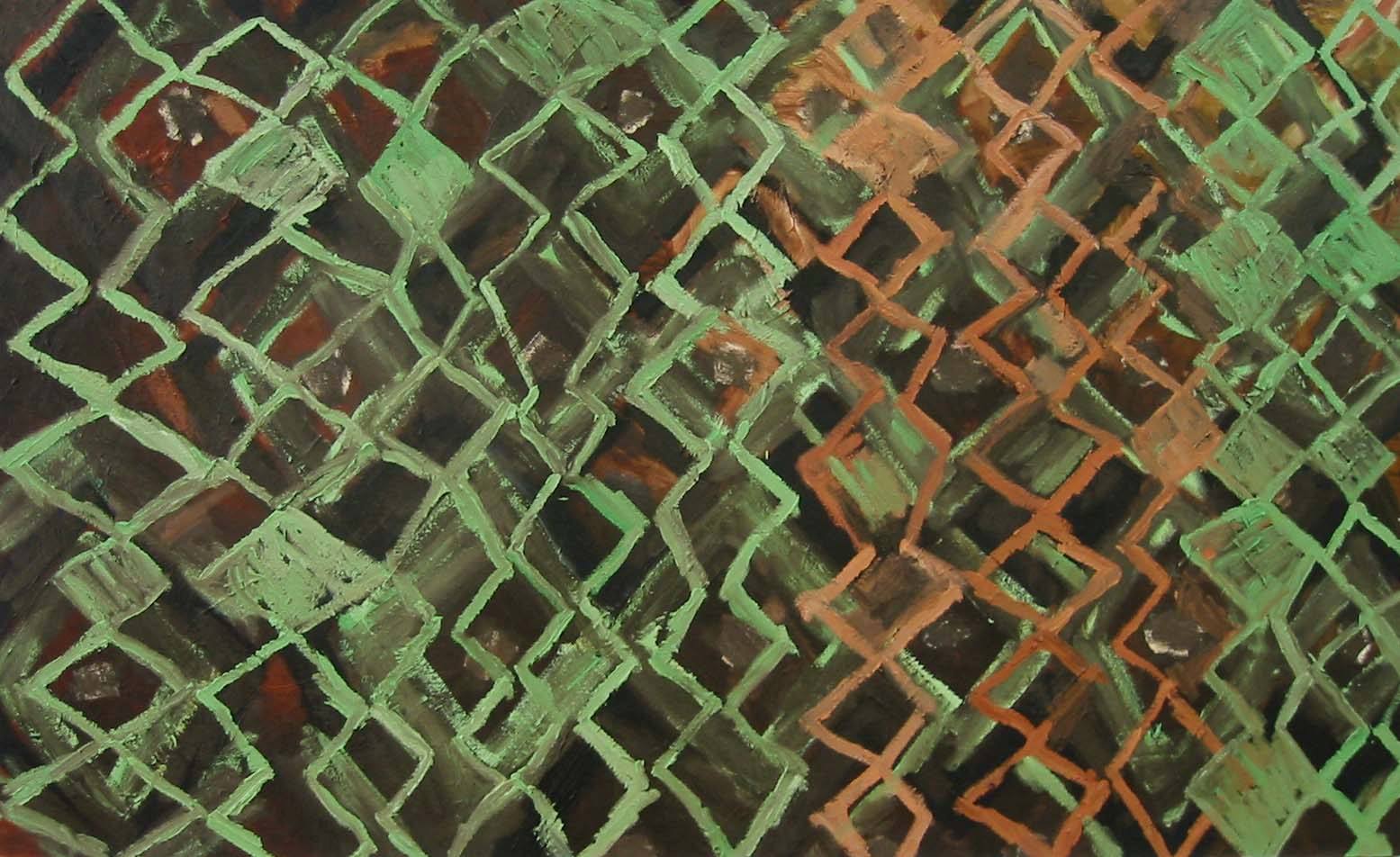
「L-98-21」
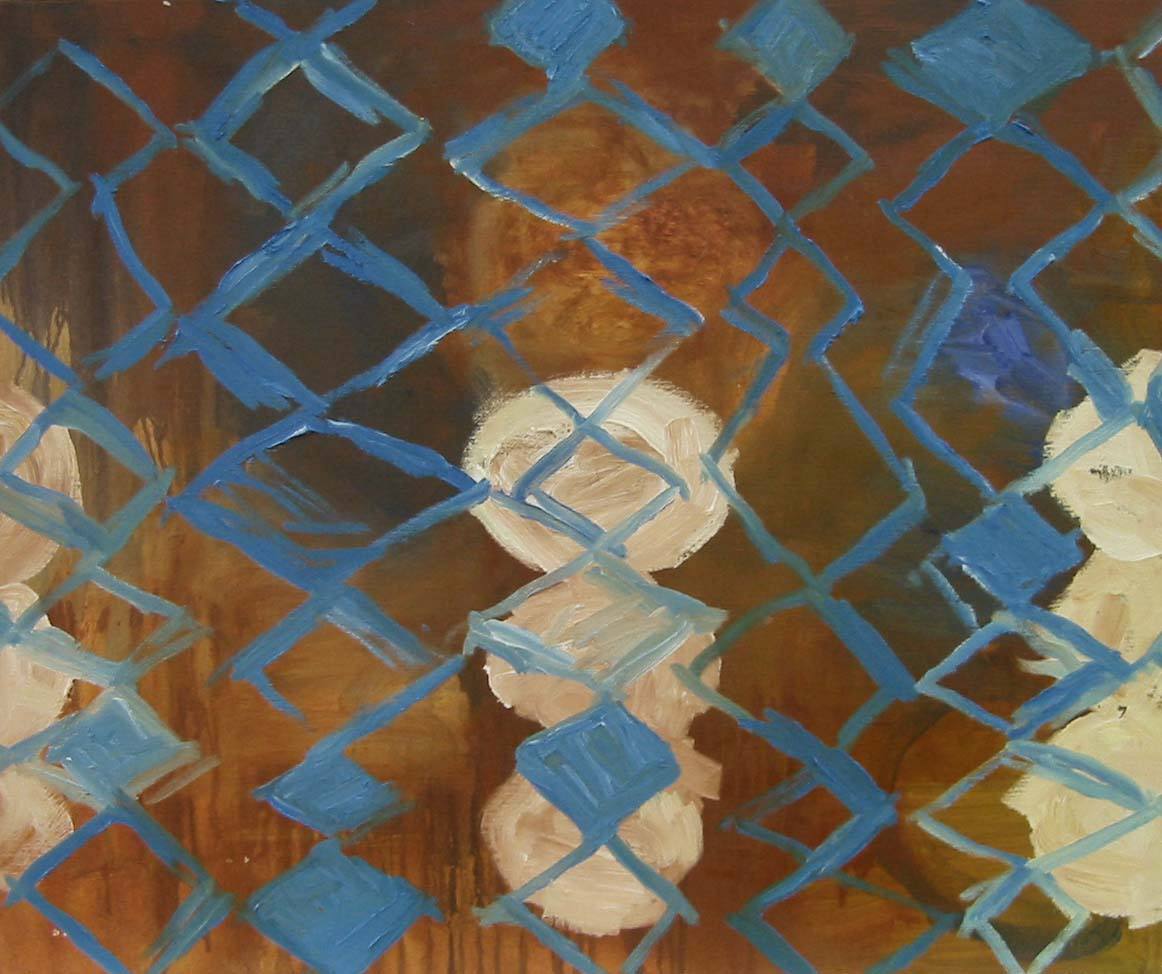
「L-03-8」
「L-03-7」